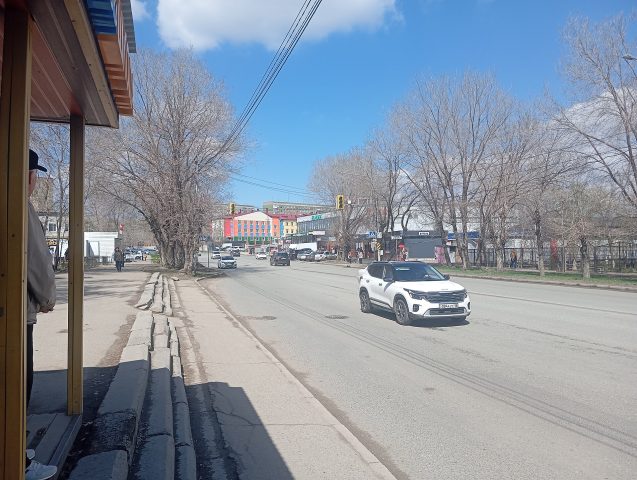
Ust-Kamenogorsk’s Central Market is one of those places where the city reveals itself without pretense. It’s not just a place to buy groceries or household goods—it’s a living pulse of daily life, where the past and present coexist in the hum of voices, the scent of spices, and the vibrant colors of stalls that have seen generations come and go. Located in the heart of the city, where busy streets intersect, the market has long been more than just a trading hub. For locals, it’s a meeting point, a place to catch up on news, and a cornerstone of community life. For visitors, it offers a rare glimpse into the rhythms of a city that has grown around industry, trade, and the steady flow of people passing through.
The market’s architecture is unassuming, built for function rather than grandeur, yet it carries a quiet charm. The long rows of covered pavilions, constructed during the Soviet era, create a maze-like layout where every turn brings something unexpected. Inside, the space feels both vast and intimate—high ceilings let in natural light, while wide aisles allow for easy movement even when the market is crowded. From the outside, the building might not catch the eye, but that’s part of its appeal. There’s no pretension here, just a straightforward, practical design that has served its purpose for decades.
The history of the Central Market is woven into the story of Ust-Kamenogorsk itself. Founded in the 18th century as a fortress along the Irtysh River, the city has always been a crossroads—a place where merchants, settlers, and travelers converged. As the population grew and the economy expanded, so did the need for a central trading space. The market emerged as a response to that demand, evolving over time into one of the region’s largest and most important commercial hubs. During the Soviet period, it became a place where people could find everything from fresh produce to rare goods brought in from other republics. Today, it retains that role, bridging tradition and modernity in a way that feels effortless.
What makes the market truly special, though, are the people who keep it running. Many of the vendors have worked here for years, some following in the footsteps of their parents or grandparents. They know their regular customers by name, offering advice on the best cuts of meat or sharing recipes for traditional dishes. The atmosphere is warm and unhurried, a stark contrast to the impersonal efficiency of supermarkets. Conversations flow in Russian, Kazakh, and other languages, blending into a constant murmur of bargaining, laughter, and casual chatter. For many locals, a trip to the market is as much about socializing as it is about shopping—an opportunity to exchange stories, hear the latest news, or simply enjoy the familiarity of faces they’ve known for years.
The variety of goods on offer is staggering. Fresh produce dominates the scene, with vegetables and fruits grown in nearby gardens piled high on tables. The meat section is particularly striking, where vendors sell lamb, beef, and horse meat, often cutting it to order right in front of customers. Fish from the Irtysh River and the lakes of the Altai Mountains—pike, perch, burbot—are displayed on ice, while dairy products like kumis, ayran, fresh cottage cheese, and sour cream arrive daily from surrounding villages. For anyone who enjoys cooking, the market is a treasure trove, offering all the ingredients needed for classic dishes like beshbarmak, manti, or plov.
Then there are the stalls dedicated to dried fruits, nuts, and sweets. Apricots, raisins, prunes, walnuts, and pistachios are sold by the handful, while traditional treats like churchkhela (walnuts dipped in grape molasses), kozinaki (honey-nut bars), and rahat lokum (Turkish delight) add a sweet note to the market’s sensory overload. The scent of vanilla, cinnamon, and honey mingles with the aroma of freshly baked bread, which is another highlight. Round loaves, baursaks (fried dough balls), samsa (meat pies), and other pastries are baked in large tandoor ovens and sold piping hot. It’s nearly impossible to leave without sampling something straight from the oven.
Beyond food, the market offers a wide range of other goods. Clothing, shoes, household items, and souvenirs fill the stalls, with some sections dedicated to traditional Kazakh crafts. Handwoven felt carpets, embroidered skullcaps, leather bags, and handmade jewelry are all on display, providing a chance to take home something truly local. For artisans, the market is a vital outlet, while for visitors, it’s an opportunity to find unique, authentic items that tell a story.
The market also reflects the changing seasons in a way that few other places do. In spring, the first green vegetables and berries appear, followed by summer’s watermelons and melons. Autumn brings mushrooms and apples, while winter sees frozen fish and jars of pickled vegetables. Each season brings its own colors, scents, and traditions, turning the market into a kind of living calendar for the city. It’s also a place where small celebrations unfold—during Nauryz, the Kazakh New Year, or other holidays, you might stumble upon impromptu performances, music, or gatherings that add to the sense of community.
For first-time visitors to Ust-Kamenogorsk, the Central Market is more than just a place to shop. It’s a window into the soul of the city, where the past and present coexist in the most ordinary yet profound ways. There’s no touristy veneer here, just the raw, unfiltered essence of daily life. You might come for a loaf of bread or a wedge of cheese, but you’ll leave with a deeper understanding of what makes this place tick. The market doesn’t try to be trendy or polished—it simply exists, and in doing so, it offers something far more valuable than any glossy attraction ever could.