Nukus Central Market isn’t just a place to buy groceries or household goods—it’s the living pulse of the city, where daily life, traditions, and local character unfold in plain sight. Unlike the orderly aisles of a supermarket, with neatly labeled shelves and fixed prices, this market sprawls across hectares in the heart of Nukus, its boundaries shifting between narrow passageways and open-air squares. Here, vendors know their spots by heart, and regulars navigate not by signs but by memory, weaving through stalls piled high with produce, spices, and handmade goods. The market expands and contracts like a breathing organism, its rhythm dictated by the flow of people rather than any rigid design.
The market’s history is woven into the story of Nukus itself. Founded in the 1930s as the new capital of Karakalpakstan, the city grew rapidly, and the market became its economic and social core. During the Soviet era, it was one of the largest in the region, drawing traders not just from nearby villages but from neighboring republics. The layout took shape then—separate sections for meat, fish, dairy, bread, spices, and manufactured goods—and though the market has evolved over the decades, many of those divisions remain. The past lingers in the way goods are displayed, in the way transactions are made, and in the way people move through the space as if it were a second home.
The architecture here is a mix of practicality and local flavor. Long, brightly painted canopies shield the main rows from the relentless sun and occasional downpours, their colors fading slightly under the weight of years. Inside the covered stalls, wooden and metal counters hold goods arranged to catch the eye—fruits stacked in pyramids, spices spilled from open sacks, cuts of meat hanging from hooks so buyers can inspect them from all angles. Beyond the main sections, makeshift vendors set up wherever there’s space, selling everything from handmade pottery to secondhand clothes and old coins. There’s no grand plan, just a sense of organic growth, where every inch of available space is put to use.
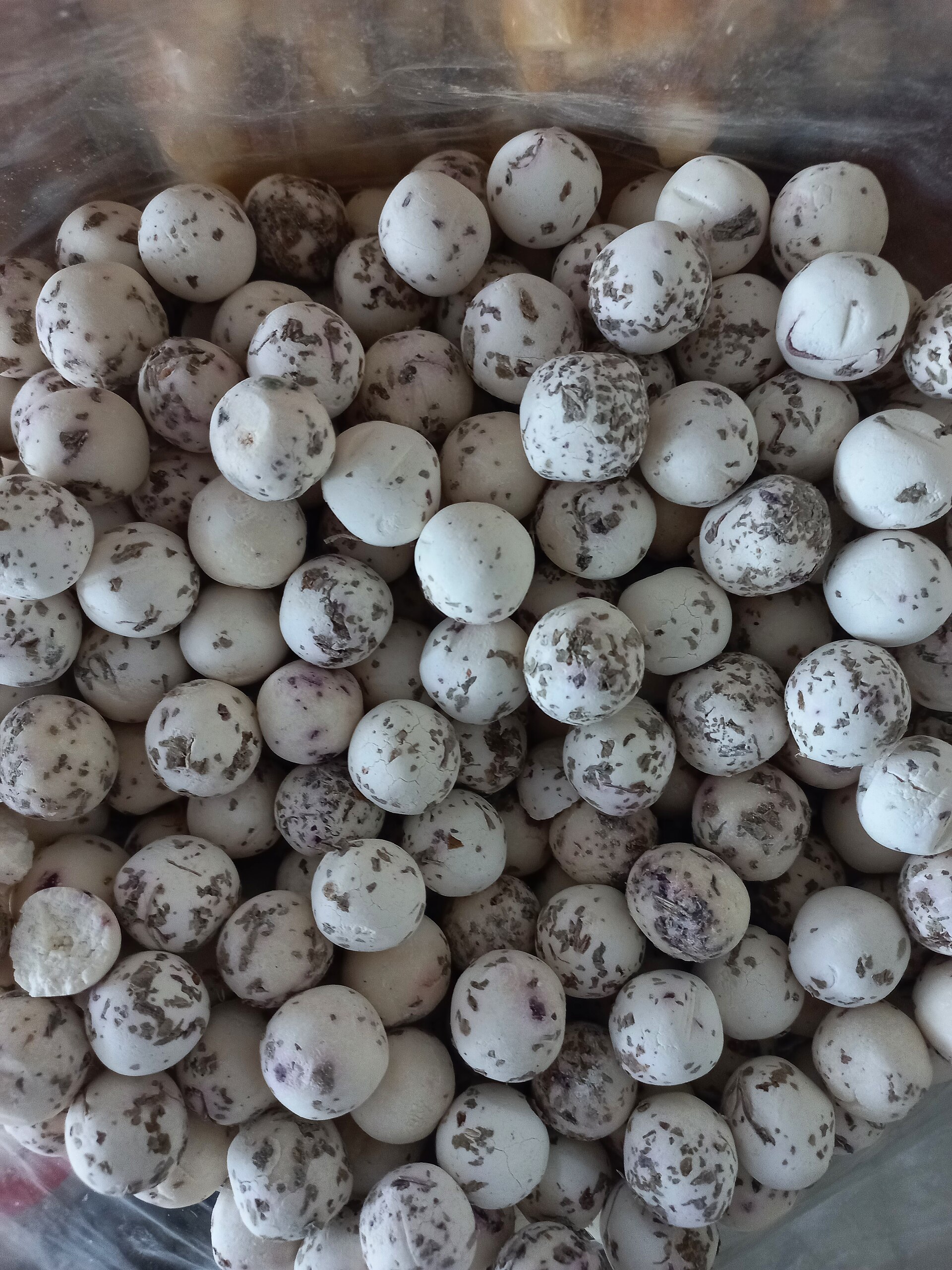
Food is at the heart of the market, and the selection reflects the staples of Karakalpak and Uzbek cuisine. In the meat section, you’ll find lamb, beef, and horsemeat, often sold in large cuts or even whole carcasses, which vendors will chop to order. The fish stalls offer what’s left of the Amu Darya’s catch and the dwindling stocks of the Aral Sea—fresh, smoked, or dried, along with the occasional jar of roe. Dairy is a world of its own: fermented mare’s milk (kumis), thick yogurt (katyk), drained yogurt cheese (suzma), and aged cheeses made the traditional way. The bread section is a revelation, with flatbreads of every shape and size, each with its own name and method of preparation, from the dense, sesame-crusted *non* to the lighter, flakier *lepyoshka*.
Spices are another highlight, a sensory overload of aromas and flavors. Beyond the usual cumin, coriander, and barberries, you’ll find rare blends unique to the region, often mixed by the vendors themselves. They’ll encourage you to taste a pinch before buying, explaining how each spice is used in local dishes. The dried fruit section is just as enticing, with apricots, raisins, figs, and dates sold by the handful, each vendor insisting theirs is the sweetest. It’s easy to get lost in the choices, especially when the air is thick with the scent of cardamom, saffron, and smoked paprika.
But the market is more than just a place to shop—it’s a social hub where people come to talk, gossip, and connect. Vendors greet their regulars by name, and customers trust them to pick the best produce or haggle over a fair price. Conversations flow freely, whether it’s a debate over the best way to prepare plov or a discussion about the latest news in town. Mornings are the busiest, when fresh deliveries arrive and the market hums with activity, but evenings bring their own energy as locals stop by after work to pick up ingredients for dinner. For many, coming here isn’t just about buying food—it’s about being part of a community.
For visitors, the market offers a glimpse into the real Uzbekistan, far removed from polished tourist brochures. There are no rows of identical souvenirs here—just handmade crafts, embroidered skullcaps, handwoven carpets, and traditional knives. Prices might be higher than in regular shops, but bargaining is part of the experience, a dance of offers and counteroffers that can turn into a friendly exchange. The key is to show genuine interest; ask questions, and vendors will often share stories about their goods or even demonstrate how something is made. It’s a chance to see the city through the eyes of those who live here, not just as a visitor passing through.
Time moves differently at the market. There’s no rush, no pressure to hurry through your shopping. Instead, there’s a slow, deliberate pace where the act of buying is as important as the purchase itself. You might stop to chat with a vendor, sample a piece of fruit, or watch a butcher expertly carve a leg of lamb. The market doesn’t just sell goods—it sells experiences, memories, and a sense of place. It’s where you can feel the heartbeat of Nukus, a city often overlooked but full of life, warmth, and a quiet pride in its traditions.
In a world where shopping has become increasingly impersonal, Nukus Central Market remains a place where human connection matters. It’s messy, chaotic, and utterly authentic—a reminder that some things can’t be streamlined or sanitized. Whether you’re here for the food, the people, or just the atmosphere, the market leaves an impression that lingers long after you’ve left its bustling aisles. It’s not just a destination; it’s a slice of life in one of Central Asia’s most underrated cities.