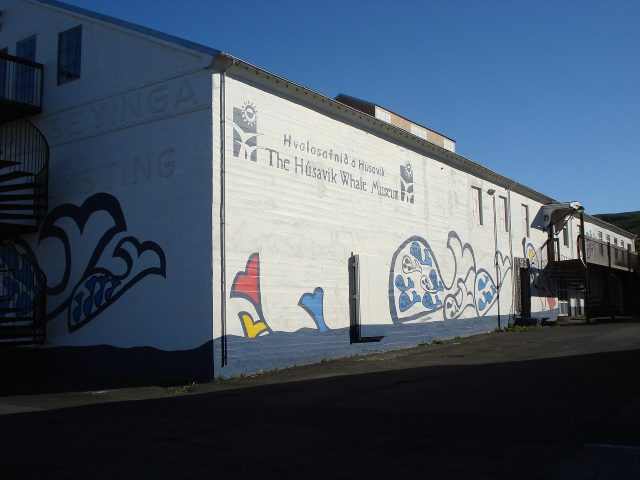
Húsavík has earned its reputation as Iceland’s whale-watching capital, and it’s easy to see why. This quiet fishing town on the country’s northern coast sits at the edge of Skjálfandi Bay, where the Atlantic’s nutrient-rich waters draw whales of all kinds—from the acrobatic humpbacks to the elusive blue whale, the largest animal on Earth. But the experience here goes beyond the thrill of spotting these giants from a boat. At the heart of the town, the Húsavík Whale Museum offers a deeper understanding of these creatures, their world, and our relationship with them.
The museum began in 1998 as a small exhibit focused on marine mammals and Iceland’s whaling history. Over the years, it has grown into a modern, interactive space where science meets storytelling. The exhibits are designed to engage rather than lecture, blending hands-on displays with real artifacts. Visitors can examine whale skeletons up close, listen to recordings of their haunting songs, and trace their migratory routes across the ocean. Interactive stations even let you analyze sonar data, giving a glimpse into how researchers track these animals in the wild.
One of the museum’s most compelling sections explores Iceland’s complicated history with whaling. The country is one of the few where commercial whaling is still permitted, though on a limited scale, and the museum doesn’t shy away from this reality. Exhibits detail how whaling shaped Iceland’s economy and culture, from the tools used in the past to the shifting attitudes toward the industry today. There’s no judgment here—just an honest look at how human needs and conservation efforts have clashed and evolved over time. Old photographs, whaling equipment, and personal stories paint a picture of a nation that has long depended on the sea, even as it moves toward more sustainable ways of coexisting with it.
For those eager to see whales in person, the museum provides practical guidance on the best whale-watching tours in the area. Skjálfandi Bay is one of the most reliable places in Iceland to spot whales, with humpbacks and minke whales frequenting its waters in summer. Blue whales, though rarer, occasionally pass through, while orcas and dolphins can sometimes be seen in winter. The museum doesn’t run tours itself but helps visitors choose responsible operators who prioritize the well-being of the animals. It’s a useful resource, especially for first-timers unsure of what to expect or when to go.
Beyond its permanent exhibits, the museum hosts rotating displays and events that keep the experience fresh. Lectures by marine biologists, film screenings, and workshops for kids—like crafting with recycled materials or identifying whale calls—add layers to the visit. The atmosphere is welcoming, almost casual, making it easy to spend hours here without feeling like you’re in a traditional museum. Even locals drop by for updates on whale sightings or to attend talks on ocean conservation, proving that the museum is as much a part of the community as the fishing boats in the harbor.
The building itself is worth a moment’s appreciation. Perched on the edge of the bay, its low-slung design and large windows blend seamlessly with the rugged coastline. Inside, the space feels open and airy, with natural light streaming in and views of the water from nearly every angle. On the upper floor, a balcony overlooks the bay, where you might spot a whale’s spout in the distance. In summer, a café next door serves fresh seafood, while in winter, it’s a cozy spot to sip hot chocolate and watch the waves crash against the shore.
Húsavík is more than just a gateway to whale watching, and the museum reflects that. The town has a quiet charm, with its wooden church on the main square and a waterfront promenade where fishermen mend nets and swap stories. The harbor occasionally welcomes old wooden ships, a nod to the days when the sea was the lifeblood of northern Iceland. If you’re lucky, you might even catch a glimpse of a whale from the shore—just enough to remind you why this place draws visitors year after year.
The Húsavík Whale Museum isn’t just a collection of exhibits; it’s a bridge between people and the ocean. It doesn’t preach or dramatize but instead presents the facts in a way that feels personal. Whether you’re a marine biology enthusiast or someone who’s never given whales much thought, the museum leaves you with a sense of connection to something much larger than yourself. The whales here aren’t just distant creatures in a documentary—they’re real, they’re nearby, and their survival depends on choices we all make.
A visit here pairs well with a stroll through Húsavík. The town is small enough to explore on foot in an afternoon. You can wander past colorful houses, stop by the local bakery for a cinnamon roll, or watch seabirds wheel over the harbor. The museum’s presence adds depth to the experience, turning what might have been a simple whale-watching trip into something more meaningful. It’s a reminder that even in a place as remote as this, the ocean is never far away—and neither are the stories it holds.