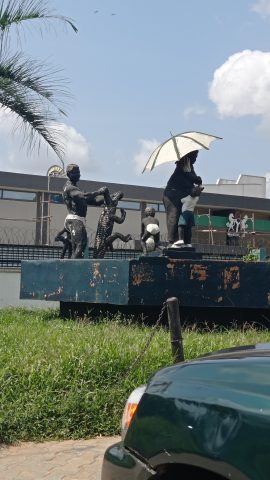
Benin City is often called Nigeria’s cultural capital, and its National Museum is one of those rare places where history doesn’t just sit behind glass—it feels alive. Standing in the heart of what was once the ancient Kingdom of Benin, the museum holds a legacy that stretches back centuries. It isn’t just a collection of objects; it’s a bridge between past and present, where every artifact tells a fragment of a much larger story.
The museum’s most famous treasures are its bronze works, the hallmark of Benin artistry. These sculptures, cast using the lost-wax technique, were created by royal craftsmen between the 13th and 19th centuries. Among them are the iconic *oba* (king) heads, intricately detailed plaques depicting court life, and figures of animals and warriors. The precision in these pieces is astonishing—every fold of fabric, every expression, every weapon is rendered with care. These bronzes once adorned palaces and shrines, and today they stand as proof of a skill that European colonizers once tried to claim as their own.
But the museum offers more than just bronze. Its collection includes pottery, carved wooden objects, textiles, and weapons, all unearthed within the kingdom’s former borders. Some of the most striking pieces are tied to traditional beliefs and rituals—masks used in ceremonies, carved thrones symbolizing authority, and figurines that played roles in spiritual practices. Together, they paint a picture of life before European contact: how people organized their society, what they valued, and how they understood the world.
The building itself is part of the story. The museum stands on the site of the former oba’s palace, destroyed during the British punitive expedition of 1897. That raid saw countless treasures looted and taken to Europe, with only a fraction later returned. Today, the museum doesn’t just preserve what remains; it also serves as a quiet reminder of colonial violence. Some exhibits include photographs and documents from that era, as well as records of ongoing efforts to reclaim stolen artifacts.
For locals, the museum is more than a tourist stop—it’s a place of memory and learning. School groups often visit for educational programs, while lectures and temporary exhibitions explore Edo history and culture. You’ll find students sketching artifacts, artists seeking inspiration, and researchers poring over texts. The atmosphere is one of quiet reflection, with soft lighting and carefully arranged displays that invite you to linger.
The collection isn’t limited to ancient history. There are sections dedicated to modern Nigerian art, as well as rotating exhibitions featuring contemporary local artists. This connection between past and present is especially clear in the work of sculptors who still use the lost-wax technique, adapting it to new forms and themes. It’s a reminder that Benin’s artistic traditions didn’t disappear—they evolved.
Visiting the museum also changes how you see the city around it. Benin City today is a bustling metropolis, full of markets, modern buildings, and traditional neighborhoods. But step inside the museum, and the noise fades. Here, history isn’t just something you read about—it’s something you can almost touch. You might spend hours examining the exhibits, reading the descriptions, and imagining what life was like in one of West Africa’s most powerful pre-colonial states.
Unfortunately, the museum doesn’t always get the attention it deserves. Many travelers to Nigeria stick to Lagos or Abuja, missing the chance to experience the country’s true cultural heart. But for those who make the trip, the museum is a revelation. It’s a place where history—often overlooked in textbooks—comes alive, shaping the identity of a people in ways that still resonate today.