Tekab’s bazaar is one of those rare places where time seems to slow down, where the rhythm of city life follows a pace set not by clocks, but by centuries of tradition. Unlike the hurried efficiency of modern shopping districts, this market feels like a living extension of the town itself—unpolished, unhurried, and deeply human. Tekab, a small city in northwestern Iran, rarely appears on tourist itineraries, and that’s precisely why its bazaar retains an authenticity that has faded in more famous destinations. Here, commerce isn’t just about transactions; it’s a way of life passed down through generations, woven into the fabric of daily existence.
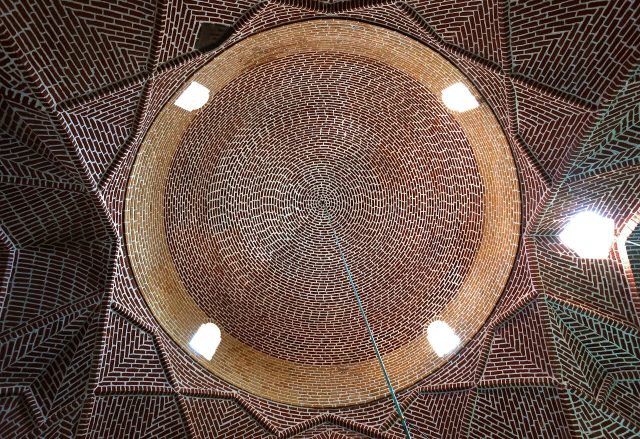
The architecture of the bazaar is classic in its simplicity, a hallmark of traditional Iranian markets. Narrow passageways, arched with brick vaults, create a play of light and shadow that shifts with the sun’s movement. In the early morning, sunlight filters through small openings in the roof, casting delicate patterns on the worn stone floors. The stalls are modest in size, yet each one holds a world of its own—spices piled high in sacks, handwoven carpets rolled neatly against the walls, stacks of earthenware pottery waiting to be carried home. The mud-brick walls, thick and sturdy, absorb the day’s heat and release it slowly as evening falls, offering a natural respite from the desert’s chill.
More than just a marketplace, Tekab’s bazaar is the social heart of the city. Neighbors stop to chat, elders gather over backgammon and tea, and the latest news spreads not through screens, but through conversation. Unlike the grand bazaars of Isfahan or Tehran, where tourists often dominate the scene, here life unfolds without pretense. Vendors don’t call out to passersby; they go about their work with quiet confidence, occasionally sharing a joke or asking after a regular customer. The atmosphere is one of familiarity, as if you’ve stepped into a neighbor’s home rather than a place of business.
The bazaar’s history is inseparable from Tekab’s own past. For centuries, the city served as a crossroads for trade routes linking Iran to Anatolia and the Caucasus. It was never a capital or a cultural hub, and that lack of grand ambition allowed it to preserve its character. The bazaar didn’t emerge by decree or design; it grew organically, shaped by the needs of the people who relied on it—not just for goods, but for connection. Over time, it expanded, adding new stalls and workshops, yet its essence remained unchanged. It was, and still is, a place where life happens in its most unfiltered form.
Today, the bazaar functions as an open-air museum of living traditions. Artisans work in plain sight, their skills honed over lifetimes and passed down through families. Carpet weavers sit at looms, their fingers moving with practiced ease as they knot wool dyed with natural pigments. Potters shape clay into vessels, their hands guided by muscle memory. Blacksmiths hammer out tools and hardware, the rhythmic clang of metal echoing through the corridors. Watching them work is like stepping back in time; these are crafts that have all but disappeared elsewhere, preserved here by necessity and pride.
The bazaar is also a sensory journey through the region’s culinary heritage. Stalls overflow with spices that are hard to find outside local markets—saffron from nearby villages, dried rose petals, blends of herbs for tea. Farmers bring in fresh produce from the fertile lands surrounding Tekab, their fruits and vegetables piled high in colorful displays. But the real stars are the dried goods: apricots, figs, and dates, sun-dried to intensify their sweetness and sold by the handful. The air is thick with the scent of freshly baked bread, pulled from wood-fired ovens that have been burning since dawn. It’s a place where food isn’t just sold; it’s celebrated in its most elemental form.
Life here follows its own unhurried schedule. Mornings are the busiest, with vendors arranging their wares and shoppers hurrying to secure the best produce before the heat sets in. By midday, the pace slows as people retreat for lunch and rest. The bazaar doesn’t close, but it does quiet down, the only sounds being the occasional clatter of dishes or the murmur of a conversation. As evening approaches, the market comes alive again, though the energy is different now. People linger over tea, share stories, or simply enjoy the cooler air. The corridors fill with laughter, the hum of voices, and the distant strains of traditional music drifting from nearby teahouses.
For those seeking to understand Iran beyond the headlines, Tekab’s bazaar offers a rare glimpse into the country’s soul. There are no tourist traps here, no forced smiles or rehearsed hospitality. Life unfolds as it always has—deliberately, with dignity, and a deep respect for tradition. You could spend hours wandering the passageways, watching, listening, and slowly becoming part of the rhythm. And if you’re lucky, someone might invite you into their stall for tea. In that moment, you’ll realize that the bazaar isn’t just a place; it’s a world that welcomes you exactly as you are.