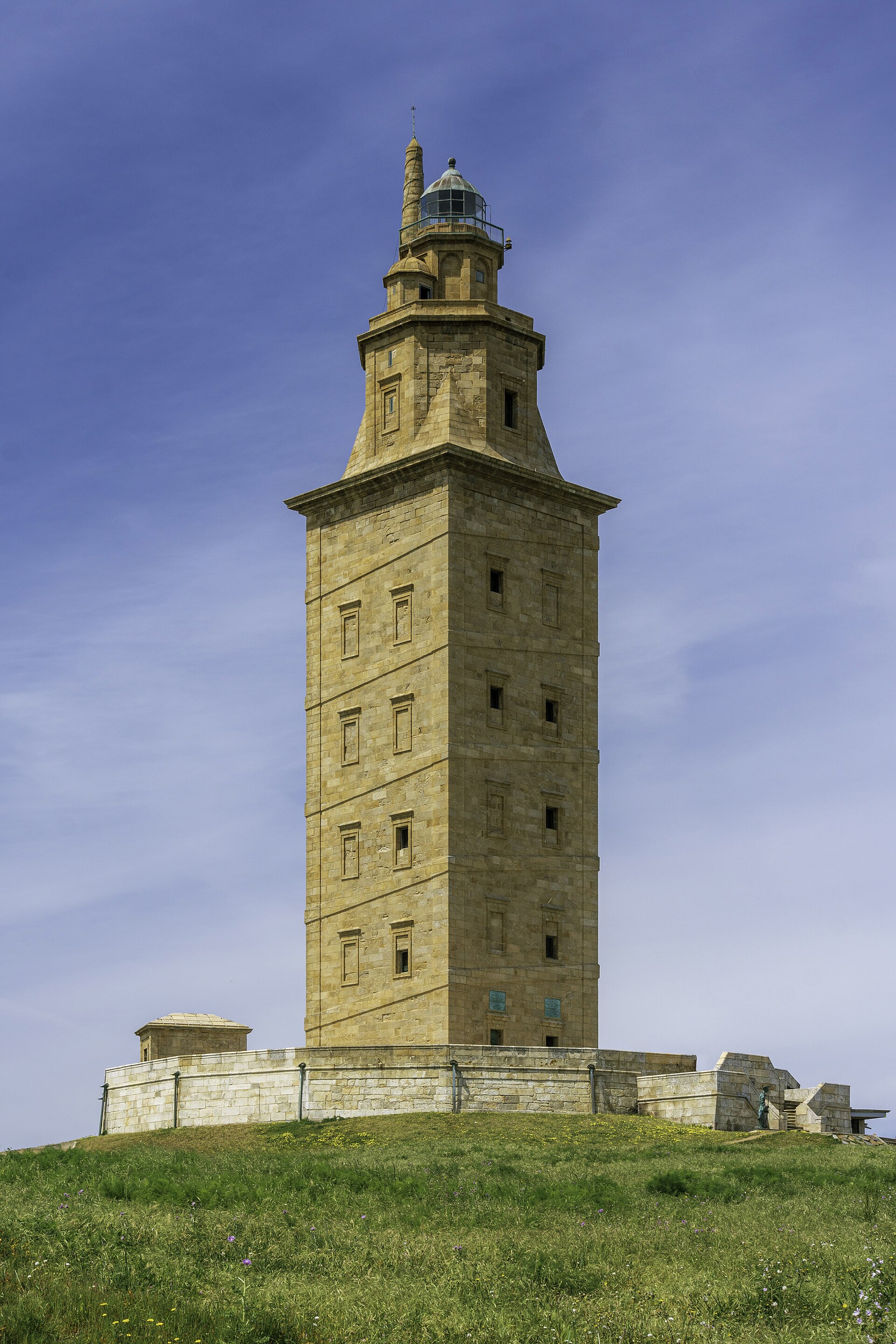
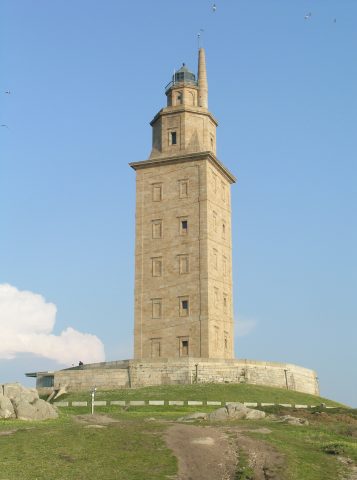
Perched on Galicia’s coastline, the Tower of Saint Anthony stands where the Atlantic meets the rocks. Its stone walls, worn by salt and wind, rise above the waves at the harbor’s entrance. Built in the sixteenth century, the tower defended the city from pirates and naval attacks. Now it’s a landmark that has seen centuries pass.
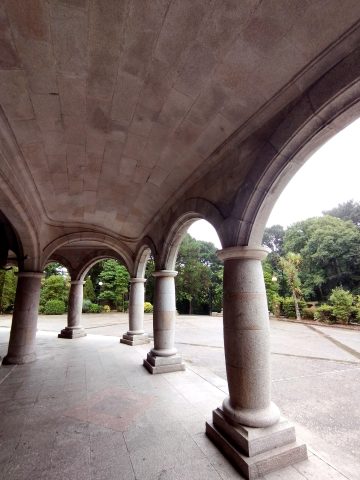
The architecture is simple: a square base, narrow windows, and a crenellated parapet. Inside, thick walls and vaulted ceilings show their original purpose. The staircase spirals upward, just wide enough for one. From the top, the view includes the ocean, the city, and the distant Tower of Hercules. On clear days, the horizon stretches far, gulls circling overhead.
The tower’s history is tied to A Coruña’s growth as a port during the Age of Exploration. As ships sailed for the Americas, the city became a key stop, and its defenses were strengthened. Saint Anthony’s Tower was part of a coastal battery system to fend off privateers. By the eighteenth century, it became a lighthouse and later a customs lookout. These changes mirror the city’s shift from a fortified outpost to a maritime center.
Today, the tower is quiet. Few visitors come, so you can explore without crowds. The stones are worn, the walls salt-stained, the wind constant. Locals walk along the cliffs or let their children play near the old walls. In the evening, the tower glows as the sun sets, shadows stretching across the rocks.
The Tower of Saint Anthony is a living part of the city. It reminds us of when A Coruña was a frontier town, where ships brought news or threats. Now the waters are calm, but if you listen, you might hear echoes of the past—ropes creaking, sailors shouting, cannons firing.
For those interested in history, the tower is a starting point. Nearby, the old port district has narrow streets and houses with glass-enclosed balconies. The local museum holds maritime artifacts, and taverns serve seafood like grilled octopus and garlic shrimp. These flavors are part of A Coruña’s identity, just like the towers guarding its shores.
What makes the Tower of Saint Anthony special is its lack of pretension. No crowds, no tours, no stalls—just wind, ocean, and stone. It’s for those who prefer solitude, where the past feels real in the rough walls and salt air. That’s why it draws people who want more than a sight—they want a sense of place.