The Tower of David isn’t just another historic site in Jerusalem—it’s a place where the past feels alive, breathing through its ancient stones. Standing near the Jaffa Gate at the edge of the Old City, this citadel has witnessed the rise and fall of empires, the footsteps of crusaders, Mamluks, Ottomans, and British soldiers. Today, it serves as both a museum and a living monument to the layers of history that have shaped Jerusalem over millennia.
The name itself is misleading. Despite being called the Tower of David, it has no direct connection to King David. The association emerged much later, during the Byzantine period, when locals began linking the fortress to biblical times. In reality, its story begins with the Hasmoneans, who built the first defensive structure here to protect the city. Herod the Great later expanded it, adding three massive towers, one of which—tradition holds—was named after his brother Phasael. Little remains of Herod’s original construction, but the foundations he laid became the cornerstone of what stands today.
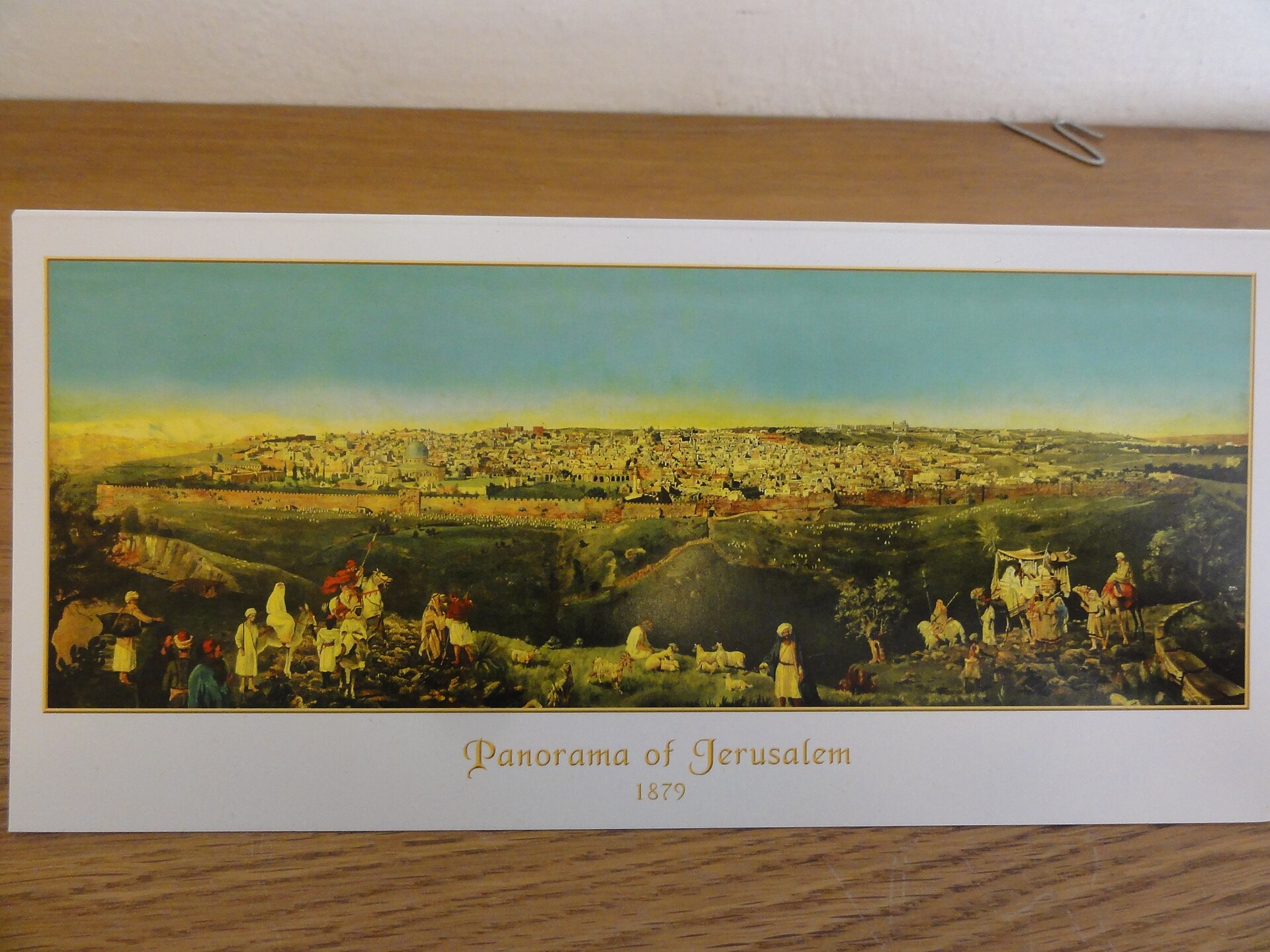
The most striking architectural features of the citadel come from the Ottoman era. In the 16th century, Sultan Suleiman the Magnificent transformed it into a military stronghold and the residence of Jerusalem’s governor. The crenellated walls, central courtyard, and the small mosque that still graces the grounds all date from this period. The Ottomans didn’t just fortify the structure—they integrated it into the city’s skyline, making it an unmistakable part of Jerusalem’s identity. From the observation deck, the citadel blends seamlessly with the domes and minarets around it, a testament to how history accumulates rather than replaces.
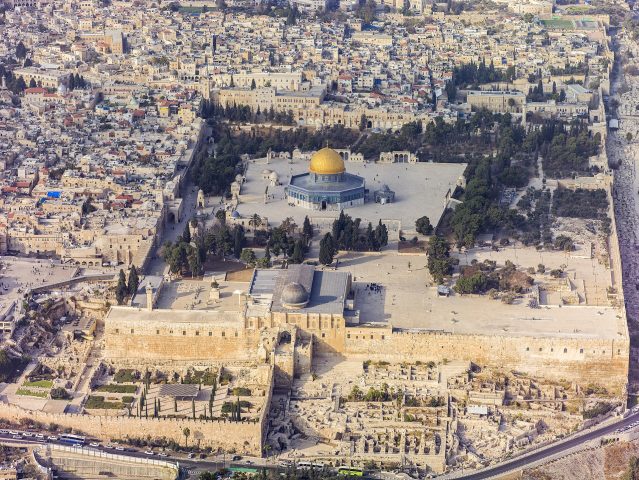
Inside, the citadel unfolds like a story told in layers. The open-air archaeological park reveals remnants of ancient walls, aqueducts, and even fragments of streets from different eras. Visitors can descend into underground cisterns that once held water during sieges or walk along the remains of ramparts that offer views of the Temple Mount. The museum’s exhibits go beyond dry facts, illustrating how Jerusalem evolved under different rulers—how walls were built and torn down, how the city absorbed and adapted to each new chapter. It’s a place where history isn’t just observed but felt, where the weight of centuries is tangible in the worn stones underfoot.
The Phasael Tower is the only surviving remnant of Herod’s original three towers, and its sheer scale is impressive. The massive stone blocks, fitted together without mortar, showcase the precision of ancient engineering. A narrow spiral staircase leads to the top, where the view stretches across the Old City and beyond. On clear days, the Judean Desert and the Mount of Olives come into focus, offering a glimpse of why Jerusalem’s location was always strategically vital. From this height, the city appears both vulnerable and invincible, a paradox that has defined its history.
The citadel doesn’t just preserve the past—it brings it to life. In the evenings, the walls become a canvas for light and sound shows that dramatize key moments in Jerusalem’s history. During the day, musicians often perform in the courtyard, while guides recount tales of sieges, earthquakes, and shifting powers. Unlike many museums where artifacts are kept behind glass, here history is something you can touch. You can run your fingers over stones that soldiers and merchants once walked upon or climb the same steps as medieval guards.
For many, the Tower of David is the first stop in Jerusalem, a gateway between the Old City and the modern world. It stands as an invitation to step into history before venturing into the bustling streets beyond. From here, it’s easy to explore the Armenian Quarter or wander down to the market on David Street, where the scent of spices and the hum of commerce echo the ancient trade routes that once passed through these gates. The citadel reminds visitors that Jerusalem isn’t just a city of holy sites—it’s a place with a rich, secular history, where every stone carries the memory of those who built, defended, and cherished it.
Today, the Tower of David is more than a museum—it’s a bridge between eras. The courtyard hosts contemporary art exhibitions, concerts, and lectures that connect the past to the present. Festivals often spill into its grounds, featuring traditional dance performances or local food stalls. The citadel hasn’t frozen in time; it continues to evolve, offering new ways to engage with Jerusalem’s enduring legacy. Whether you come for the history, the views, or the atmosphere, it remains one of the city’s most compelling landmarks.