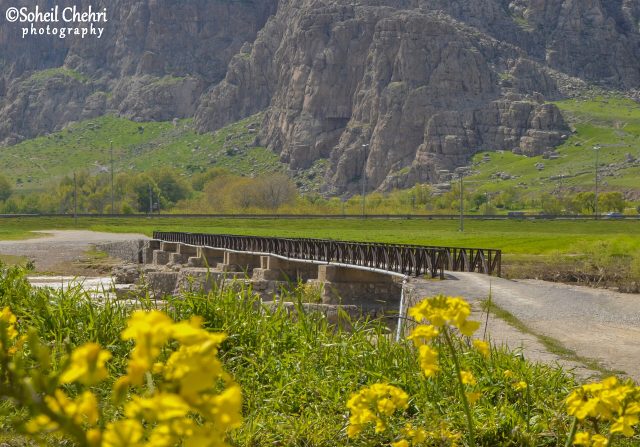
Walk up to the limestone cliffs outside Kermanshah, and you’ll find figures carved into the rock—kings, gods, and hunters frozen in time. This is Taq-e Bostan, a site where the Sassanian Empire left its mark not in ruins, but in reliefs that still feel alive. The cliffs rise at the edge of the Zagros Mountains, where rulers once commanded artists to turn stone into narrative. Some details have blurred over centuries, but the scenes remain: coronations, hunts, and moments of divine favor.
What sets these carvings apart is their motion. Earlier Persian reliefs often show stiff, symbolic figures, but here, the art breathes. Take King Khosrow II Parviz on horseback, mid-hunt. His horse rears, dogs snarl at the boar, and archers draw their bows—every line suggests urgency. It’s not just a king’s portrait; it’s a story of power, skill, and the desire to be remembered.
Other reliefs focus on ritual. One shows Ardashir II receiving a ring from a divine figure, likely Ahura Mazda. The style is formal, but the choice to depict the god as human is striking. Zoroastrian art usually avoids such representations, making this a rare exception. The carving doesn’t just blend religion and rule—it makes them inseparable.
The arch that names the site came later. Added during the Islamic period, it frames the reliefs like a doorway to the past. Its vaulted ceiling is covered in floral patterns, delicate against the bold Sassanian scenes below. The contrast isn’t accidental. It’s a reminder that history isn’t static—each era builds on what came before.
The location was no accident. The Zagros Mountains protected the Iranian plateau while connecting trade routes. The area was fertile, fed by springs, and strategically vital. A pond at the cliff’s base once mirrored the carvings, amplifying their grandeur. Today, the water still reflects the stone, but now it ripples with the footsteps of visitors.
Taq-e Bostan isn’t just for historians. Families spread picnics under the trees, children chase each other near the pond, and tourists frame photos against the ancient rock. The site feels lived-in, as if the past and present share the same space. Maybe it’s because the cliffs have seen empires rise and fall—human noise is just another layer in the story.
The Sassanians were the last great Persian dynasty before the Arab conquest. Their influence shaped Iran’s language, art, and identity. Stand before these reliefs, and you’re not just looking at stone. You’re seeing how an empire defined itself—absorbing outside ideas while holding onto its own voice.
No special knowledge is needed to visit. Just watch how the light changes the reliefs. Morning sharpens the details; evening softens them. The pond’s surface shifts with the wind, sometimes still, sometimes alive. If you listen, you might hear echoes—not of words, but of movement. The clatter of hooves. The whisper of silk. The footsteps of those who walked here long ago.