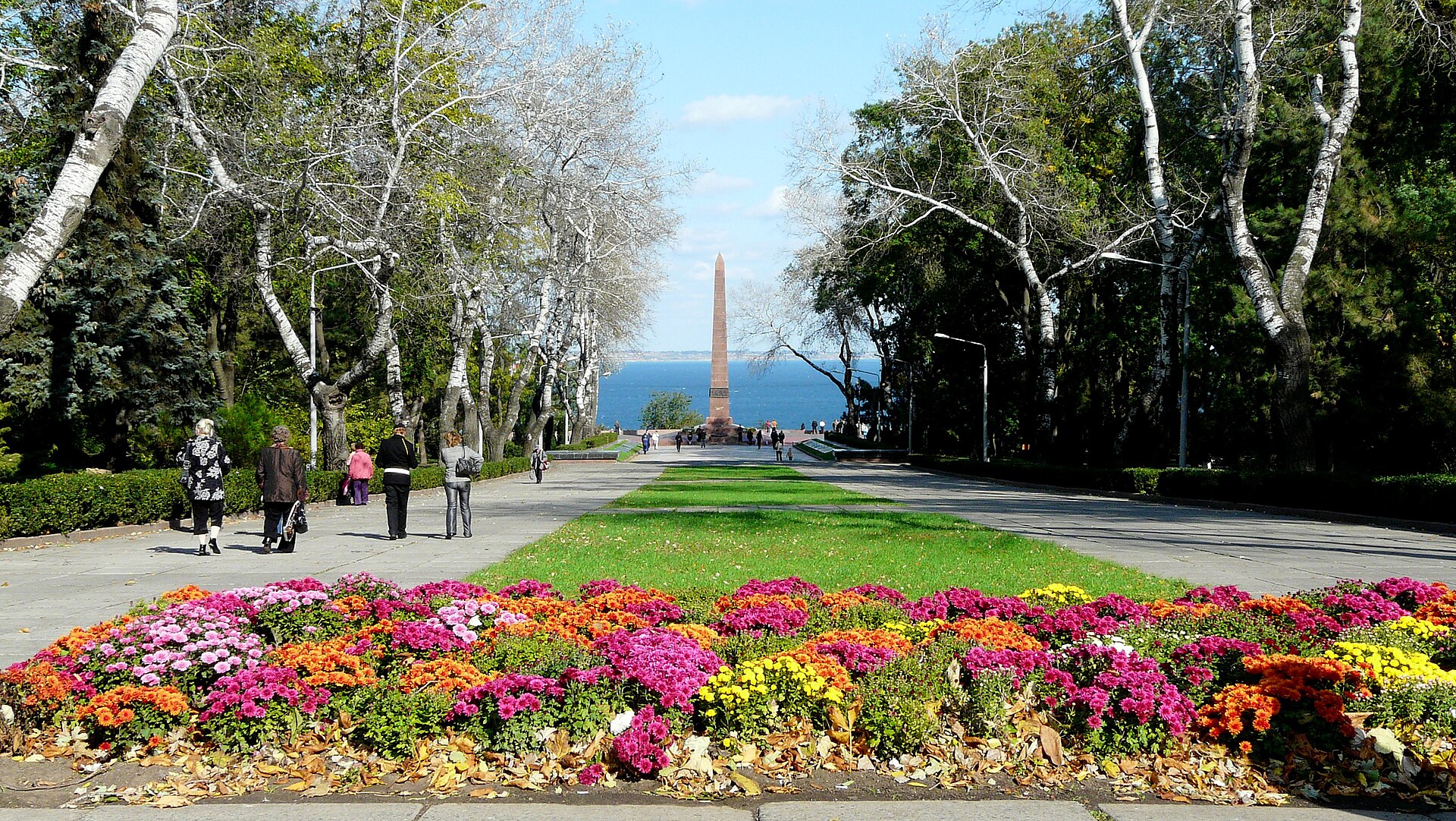
The Alley of Glory is one of those places where history feels tangible, where the past isn’t just remembered but physically present. Stretching along the Black Sea coast, this memorial complex in Novorossiysk honors the soldiers and sailors who fought and died during the Great Patriotic War, as World War II is known in Russia. The alley isn’t just a monument—it’s a quiet, solemn walk through memory, lined with trees, plaques, and sculptures that tell the story of a city that became a symbol of resistance.
Novorossiysk, a port city with a strategic location, was a key battleground during the war. The German forces sought to capture it to cut off Soviet supply lines, and the fighting here was brutal. The city held out for months under siege, and the Alley of Glory was later created to commemorate those who defended it. The memorial stretches along the waterfront, where the sea breeze mingles with the weight of history. It’s a place where locals come to pay respects, where veterans gather on Victory Day, and where visitors can sense the gravity of what happened here.
The alley begins near the Malaya Zemlya landing site, a name that carries deep significance in Russian military history. In 1943, a small Soviet force landed here under heavy fire, establishing a foothold that would eventually help break the siege of Novorossiysk. The landing was a turning point, and the area around it is now part of the memorial complex. A towering obelisk marks the spot, its height emphasizing the scale of the sacrifice. Nearby, the Eternal Flame burns, a constant reminder of the lives lost.
Walking along the alley, you’ll pass rows of trees, each planted in honor of a fallen soldier. The plaques beneath them bear names, ranks, and sometimes just the word "unknown," a stark reminder of how many were never identified. The trees themselves are a living memorial, their leaves rustling softly in the wind. In spring, the alley is lined with blooming magnolias, their delicate flowers contrasting with the solemnity of the place. In winter, the bare branches frame the sea, and the air carries the sharp scent of salt and pine.
One of the most striking features of the Alley of Glory is the ensemble of sculptures that punctuate the path. Some depict soldiers in moments of quiet reflection, others capture the chaos of battle. One sculpture shows a sailor holding a wounded comrade, his face etched with exhaustion and determination. Another portrays a woman—a nurse, perhaps—bending over a fallen soldier. These figures aren’t just artistic representations; they feel like real people, frozen in time. The sculptures were created by local artists, many of whom drew on firsthand accounts of the war.
The memorial isn’t just about the past—it’s also a place where history is kept alive. Every year on May 9th, Victory Day, the alley becomes the heart of the city’s commemorations. Veterans, their chests heavy with medals, walk slowly along the path, sometimes leaning on the arms of younger relatives. Schoolchildren lay flowers at the base of the obelisk, their voices hushed. The city’s mayor gives a speech, but the most moving moments are the quiet ones—the old men standing at attention, the women wiping tears from their eyes, the silence that falls when the names of the fallen are read aloud.
Beyond the memorial itself, the Alley of Glory is part of a larger landscape of memory in Novorossiysk. The city’s war museum, located nearby, houses artifacts from the battle—letters, weapons, photographs of soldiers who never returned. The nearby cemetery holds the graves of those who died defending the city, their headstones arranged in neat rows, each one a story cut short. For those who take the time to explore, the alley is just the beginning of a deeper understanding of what this place meant during the war.
The Black Sea coast is often associated with sun, sand, and resorts, but the Alley of Glory offers a different kind of experience. It’s not a place for leisurely strolls or cheerful chatter, but that doesn’t make it any less important. Here, the sea isn’t just a backdrop for vacation photos—it’s a witness to history. The waves that lap against the shore today are the same ones that carried Soviet ships into battle, the same ones that bore witness to the landing at Malaya Zemlya. Standing here, it’s impossible not to feel the weight of that history.
The alley is open year-round, and there’s no admission fee. It’s a place that invites reflection, whether you’re a history buff or simply someone passing through. The best time to visit is early morning or late afternoon, when the light is soft and the crowds are thin. There’s no need for a guided tour—just walk, read the plaques, and let the place speak for itself. The Alley of Glory doesn’t demand attention; it earns it, quietly and powerfully.
For those who grew up in Russia, the names and dates here are familiar, part of a shared national memory. For outsiders, the alley offers a glimpse into a chapter of history that shaped the country. It’s a reminder that war isn’t just about battles and strategies—it’s about people, about the lives that were changed forever. The Alley of Glory doesn’t glorify war; it honors those who endured it, those who fought not for glory, but for survival. And in doing so, it becomes a place of quiet dignity, a space where the past is never truly past.