In the heart of Belogorsk, where the city’s daily rhythm hums along its busiest streets, there’s a place where the past lingers quietly among the present. The Alley of Glory isn’t just a memorial—it’s a living part of the town, a space where people pause between errands, where the weight of history settles gently on the shoulders of those who walk its paths. It’s not a place of grand gestures or forced solemnity, but rather one of quiet reflection, where the names etched into granite and the flicker of an eternal flame remind visitors of the lives that shaped the world they live in today.
The alley’s origins are tied to the upheavals of the Second World War, a time when Belogorsk, like many towns in Russia’s Far East, became a refuge for evacuees, wounded soldiers, and families torn apart by conflict. The war left its mark on the city in ways that went beyond physical scars—it reshaped communities, brought together strangers under the same roof, and left behind a generation that would never forget the cost of survival. After the war, the idea of honoring those who had fought and fallen took root, and over the decades, what began as a modest tribute grew into the memorial we see today. The alley’s design is unassuming, almost austere, reflecting the no-nonsense spirit of the era that inspired it. A central stele bears the image of the Order of the Patriotic War, its sharp lines and muted colors a stark contrast to the softness of the trees that now shade the walkways.
What makes the Alley of Glory feel different from other war memorials is its intimacy. Here, history isn’t just a series of dates and battles—it’s personal. The granite slabs lining the path carry the names of local men and women who never returned from the front, and some even feature faded photographs of young faces staring back at passersby. It’s hard not to linger over them, to wonder about the lives they might have lived, the families they left behind. The alley doesn’t demand reverence; it simply offers a space where it can arise naturally, whether you’re a veteran sharing stories with a grandchild or a stranger stopping to read a name aloud.
Throughout the year, the alley shifts with the seasons, mirroring the life of the city around it. In spring and summer, it’s a place of soft light and dappled shade, where the scent of blooming flowers mixes with the faint metallic tang of the eternal flame. Locals stroll along the paths, children play nearby, and the occasional sound of laughter or a snippet of conversation drifts through the air. On Victory Day, the alley transforms—crowds gather, flowers pile up at the base of the memorial, and the stories of the past are retold in speeches and songs. But even on ordinary days, it remains a part of the town’s fabric, a place where history isn’t locked away in museums but woven into the everyday.
For many in Belogorsk, the alley is more than a monument—it’s a connection to their own families. It’s not uncommon to see elderly men and women pointing out names to younger relatives, recounting tales of relatives who served in the war or worked in the factories that kept the front supplied. Sometimes, a child will ask a question, and the answer will come not from a textbook but from lived experience. In these moments, the alley becomes a bridge between generations, a place where the past isn’t just remembered but passed down, kept alive through the voices of those who still carry it with them.
Over time, the memorial has expanded to include newer chapters of history. In recent years, plaques have been added to honor those who served in later conflicts, as well as the first responders who risked their lives in the aftermath of the Chernobyl disaster. These additions don’t feel like afterthoughts—they’re a natural extension of the alley’s purpose, a reminder that the act of remembering isn’t static. The names may change, the conflicts may shift, but the need to acknowledge sacrifice remains. It’s a quiet testament to the fact that history isn’t just something that happened long ago; it’s something that continues to shape the present.
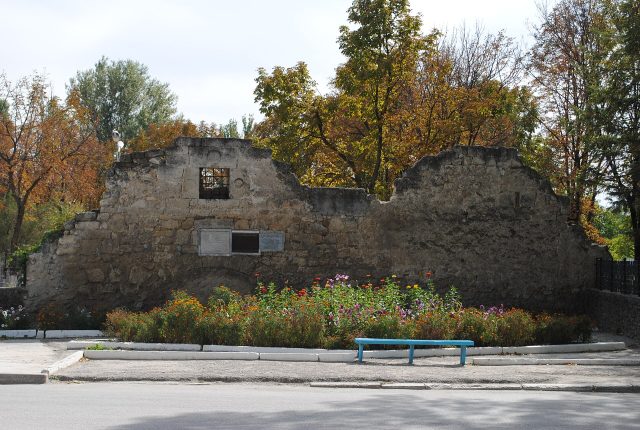
Belogorsk itself is a city of contrasts—a place where industry and nature coexist, where the vast landscapes of the Amur region meet the practical realities of modern life. The Alley of Glory reflects that duality. It’s not a place that tries to impress with grandeur or spectacle, but one that feels deeply rooted in the community it serves. There’s no need for pomp here; the simplicity of the memorial speaks for itself. The trees, the benches, the carefully tended flowerbeds—all of it exists in harmony with the granite and steel, creating a space that feels both solemn and welcoming.
What lingers after a visit to the alley isn’t a sense of heaviness, but something more subtle—a quiet gratitude, perhaps, or a moment of clarity about what it means to be part of something larger than oneself. It’s the kind of place where you might find yourself sitting on a bench, watching the light play across the names on the memorial, and realizing that history isn’t just about the past. It’s about the people who carry it forward, the stories they tell, and the way those stories shape the world we live in today. The Alley of Glory doesn’t ask for much—just a moment of your time, a pause in the rush of daily life. And in return, it offers something rare: a chance to remember, to reflect, and to feel connected to the lives that came before.