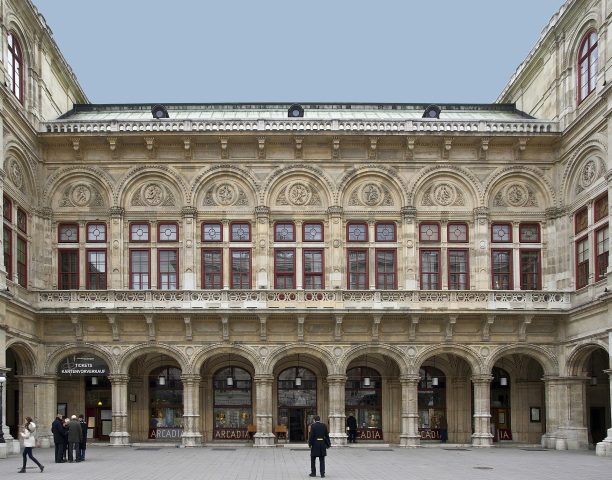
The Albertina is one of Vienna’s quiet giants, a place where art and history fold into each other like the pages of an old book. Tucked at the edge of the imperial quarter, it occupies part of the former palace of Archduke Albrecht, built in the late 18th century. The building itself is a study in contrasts—classical restraint softened by Baroque flourishes, its facades facing the opera house and Albertinaplatz, a square that once echoed with imperial parades. Inside, the grandeur lingers in the high ceilings, marble staircases, and vast halls, a reminder that this was once home to people who shaped Europe’s fate.
The museum’s collection is one of the most significant in the world, rooted in the passion of Duke Albert of Saxe-Teschen, son-in-law of Empress Maria Theresa. The duke’s obsession with drawings and prints laid the foundation for what the Albertina is today. Over the centuries, the collection grew, absorbing works from Dürer and Rembrandt to Picasso and Klimt. Among its treasures are rare sketches by Michelangelo and Raphael, pieces so fragile they’re seldom displayed elsewhere. Here, they’re preserved with care, occasionally brought out for the public to see.
Beyond its graphic art holdings, the Albertina spans other movements and mediums. The permanent collection includes Impressionist and Post-Impressionist works by Monet, Degas, and Cézanne, alongside early 20th-century pieces by Chagall and Malevich. The photography section is equally compelling, featuring both historical and contemporary works. The museum also hosts temporary exhibitions of modern art, drawing crowds that range from scholars to casual visitors.
The building’s architecture tells its own story. While the interiors were modernized in the mid-20th century to meet museum standards, traces of the past remain—ornate ceilings, antique chandeliers, and parquet floors coexist with minimalist exhibition spaces. One wing, restored after World War II damage, stands out for its simplicity. White walls and soft lighting let the art take center stage, uncluttered by decoration.
The Albertina isn’t just a repository of masterpieces; it’s a place that brings them to life. Lectures, workshops, and artist talks offer deeper insights into the works on display, while hands-on sessions let visitors try their hand at restoration. Children’s programs, with interactive tours and creative activities, make art feel accessible rather than distant. After exploring the galleries, the café on the upper floor provides a quiet spot to reflect, with views of Vienna’s rooftops and the distant hills.
For the city, the Albertina is more than a museum—it’s a cultural bridge between eras. A visit here can easily fill a day, moving from the Renaissance to contemporary art, each room revealing something new. Vienna has no shortage of museums, but the Albertina stands apart for its unique collection, its atmosphere, and its ability to weave stories through art.
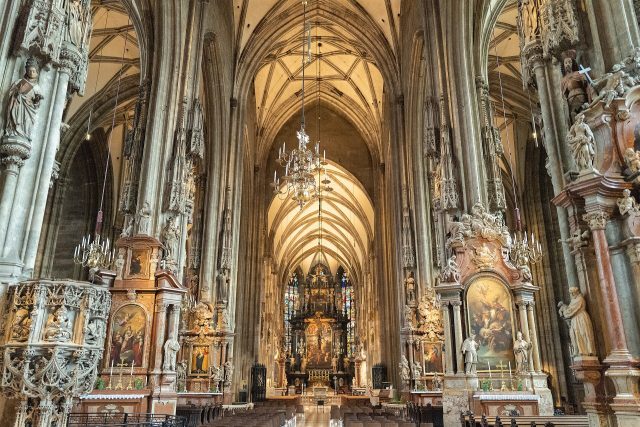
Its location, straddling the old city and newer districts, makes it a natural starting point for exploring Vienna. The opera house, St. Stephen’s Cathedral, and the Hofburg Palace are all within walking distance. But even if you don’t venture further, the Albertina offers enough to lose yourself in. The hush of the galleries, the gentle light, the sense of time slowing just enough to notice every brushstroke—it’s a place where art doesn’t just hang on the walls but lingers in the air.