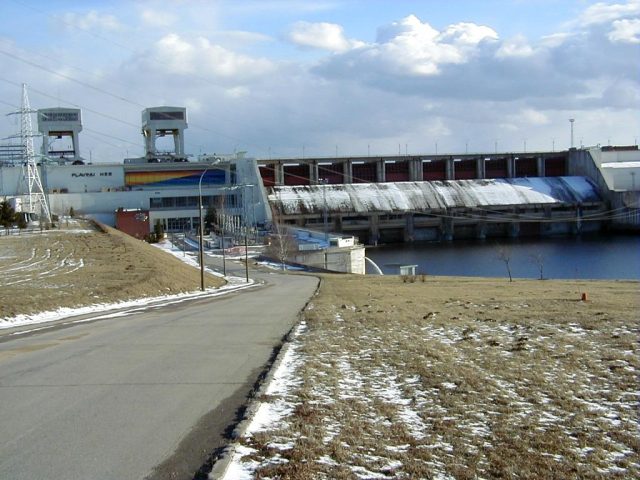
The Aizkraukle Local History Museum sits quietly on the banks of the Daugava River, a place where the past isn’t shouted from the rooftops but whispered through the details. The town itself is a relatively young one, born in the mid-20th century when the construction of a massive hydroelectric dam reshaped the landscape and the lives of those who lived here. Yet the museum isn’t just about that era of change—it’s about the people who came before, the farmers, fishermen, and craftsmen whose lives were woven into the rhythm of the river and the forests.
The museum occupies an old wooden house, one of those modest structures that were once common in Latvia’s countryside but have since become rare. Stepping inside feels like entering a time capsule. The low ceilings, creaking wooden floors, and a corner stove all speak of a way of life that has mostly faded. There are no flashy interactive displays here, just everyday objects that tell their own stories: spinning wheels, clay pots, tools worn smooth by generations of use. Each item seems to carry the weight of someone’s memories, as if the walls themselves might still hold the echoes of voices long gone.
One of the most compelling parts of the museum is its exhibit on the construction of the Pļaviņas Hydroelectric Station. This was one of the largest Soviet-era projects in Latvia, a turning point for the region and its people. Photographs, documents, and personal belongings of the workers capture the scale of the transformation—how a landscape was altered, how lives were uprooted, and how communities adapted. The museum doesn’t romanticize this period, nor does it condemn it. Instead, it presents the facts as they were: a time of hard work, disruption, and resilience.
The Daugava River has always been the lifeblood of this region, and the museum pays tribute to its enduring significance. Old maps show villages that vanished beneath the rising waters after the dam was built, their names now only memories. There are stories of fishermen who once pulled salmon and eels from the river, of ferries that carried people and goods across its currents. Even fragments of ancient boats, uncovered during archaeological digs, are on display, reminders of how deeply the river shaped life here. For the people of this land, the Daugava wasn’t just water—it was a provider, a connector, a source of inspiration.
The museum is small, but that’s part of its charm. There’s a warmth to the place, an intimacy that comes from the absence of crowds and the freedom to linger over each exhibit. It feels less like a museum and more like a visit to a neighbor’s home, where someone proudly shares the treasures of their family’s past. The guides, often local enthusiasts, don’t recite facts from a script. They speak as if they’ve lived these stories themselves, adding a personal touch that makes the past feel alive.
Beyond its permanent collection, the museum hosts temporary exhibitions that explore different facets of the region’s history. These might feature photographs of long-gone villages, displays of traditional crafts, or stories of notable figures from the area. Occasionally, the museum offers workshops where visitors can try their hand at old-world skills like basket weaving, spinning, or pottery. For those who want to do more than just observe, these sessions provide a chance to connect with the past in a tangible way.
Aizkraukle isn’t a town that most travelers seek out. It’s the kind of place people pass through on their way to somewhere else, a quiet stop along the road. But that’s precisely what makes the museum here so special. It offers a glimpse of Latvia that isn’t polished for tourists—the real Latvia, the one that exists in memories, traditions, and the quiet pride of a community. There’s no grandeur here, just authenticity. And if you ever find yourself by the Daugava, it’s worth stopping in to understand what this land and its people have meant to each other over the years.