Aizkraukle’s Culture and Recreation Park is one of those quiet places where time seems to move at its own pace. Unlike the hurried energy of tourist hotspots, this park offers space, stillness, and the sense that nature and people have finally found a way to coexist without fuss. Stretching along the banks of the Daugava River, the park takes its character from the water—the murmur of the current, the rustle of leaves, and the breeze that carries a hint of coolness even on the warmest days.
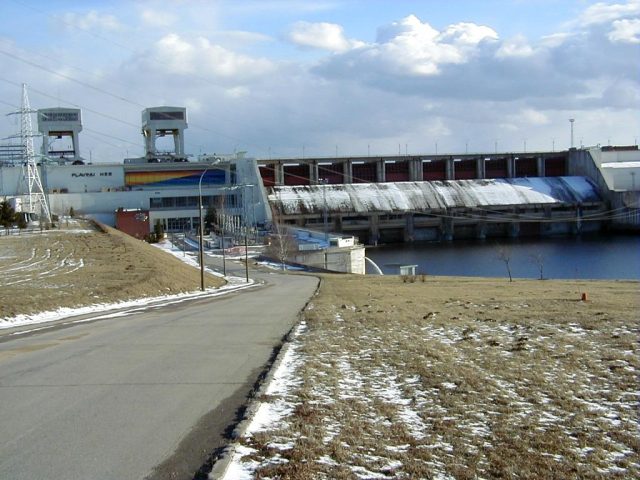
The park’s history is closely tied to the story of Aizkraukle itself. The town emerged in the mid-20th century as a settlement for workers building the Pļaviņas Hydroelectric Power Station, and the park was one of the first public spaces created for their leisure. Back then, it was a simple place: gravel paths, wooden benches, and a few pavilions to shelter from the rain. Over the decades, it has grown—playgrounds, sports areas, and summer cafés have been added—but the spirit of those early days remains. For locals, it’s still a part of everyday life, not just a tourist attraction.
There’s nothing grand about the park’s design, and that’s part of its charm. No imposing monuments or flashy installations, just practical, unobtrusive elements that blend into the landscape. The main avenue leads from the entrance down to the riverbank, where you can sit by the water and watch the Daugava flow by. Old lindens and maples line the path, their branches forming a canopy that offers shade in the summer. Nearby, an open-air stage hosts concerts and festivals, especially in the warmer months when the town shakes off the long winter.
A small memorial near the center of the park honors the builders of the hydroelectric station. It’s a modest monument—a low stele with reliefs depicting the workers and engineers who contributed to one of Latvia’s largest infrastructure projects. The memorial isn’t elaborate, but it serves as a reminder that Aizkraukle was built by people, and the park became a symbol of their shared effort. Locals often leave flowers here, many of them connected to the power station’s history in some way.
The park isn’t just for quiet walks. There’s plenty to do if you’re in the mood for activity. Bike paths wind along the river, volleyball and basketball courts see regular use, and in winter, an ice rink draws skaters. Children have their own spaces—playgrounds with swings and slides, and a small petting zoo where rabbits, goats, and even peacocks can be seen. In the summer, families gather for picnics, filling the air with the scent of grilled food and laughter.
The Daugava is especially striking here. Wide and slow-moving, the river offers views of the opposite bank, where forests and fields stretch into the distance. In summer, boats drift along the water, while in autumn, migrating birds stop to rest. A small dock serves as a starting point for occasional river cruises, though most of the time, it’s fishermen who occupy the spot, casting their lines with quiet patience.
The park’s atmosphere shifts with the seasons. Spring brings blooming trees and the first wildflowers, filling the air with fresh scents. Summer turns it into a lively gathering place—families stroll, teenagers set up picnics, and evening concerts spill music into the air. Autumn paints the leaves in gold and red, making the park a favorite spot for photographers and walkers. Winter quiets everything down, covering the paths in snow and turning the river into a vast, frozen mirror.
This isn’t a place that dazzles at first glance. There are no grand monuments or ornate fountains, but that’s precisely what makes it special. It’s a space where you can simply be—breathe in the fresh air, listen to the river, and feel the rhythm of a small Latvian town. For locals, the park is a part of life; for visitors, it’s a chance to see Aizkraukle not as a stopover on the way to Riga or Jurmala, but as a place with its own stories, traditions, and quiet beauty.