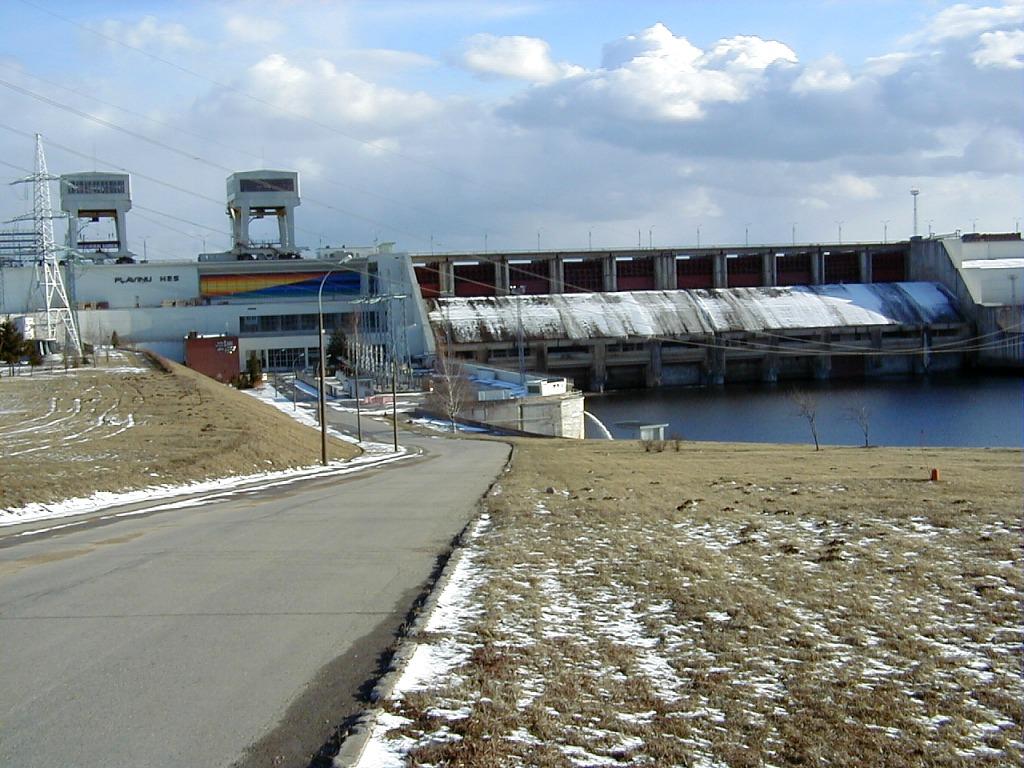
Aizkraukle Hydroelectric Power Plant is one of those places that rarely makes it onto the usual tourist itineraries, which is precisely why it holds a quiet, unexpected depth. Tucked along the Daugava River, just a short distance from the town of Aizkraukle, this hydroelectric station is more than just an engineering feat—it’s a living piece of Latvia’s history and modern life. Built in the mid-20th century as part of the Soviet Union’s ambitious energy development plans, it remains a vital part of the country’s infrastructure, supplying electricity to a significant portion of the nation.
Construction began in 1960, a project that demanded bold solutions to harness the power of the Daugava, one of the largest rivers in the Baltics. Creating the reservoir required flooding vast areas, including villages and farmland, a common practice in large-scale hydroelectric projects of that era. Today, the reservoir stretches for dozens of kilometers, its surface resembling a natural lake framed by forests and rolling hills. Yet its man-made origins serve as a reminder of how human ambition reshapes the landscape, leaving behind something both functional and strangely beautiful.
The power plant itself is an imposing structure of concrete and steel, seamlessly integrated into the riverbank. Its architecture is purely functional, stripped of unnecessary embellishments, and that simplicity gives it a certain rugged charm. The massive turbines, locks, and dams work in unison, converting the river’s force into electricity. For those fascinated by engineering, the station feels like an open-air museum, offering a glimpse into how modern energy systems operate. Even if machinery isn’t your passion, the place carries a distinct atmosphere—the raw power of nature and human ingenuity converging in a single, purposeful design.
The area around the power plant has developed its own unique microclimate, drawing nature enthusiasts year-round. The reservoir has become a haven for birds, while its shores attract anglers and walkers. In summer, you might see fishermen casting their lines from the banks or families setting up picnics under the trees. When winter arrives, the water freezes into a vast, glistening expanse, where locals skate or simply stroll, soaking in the quiet. The surrounding forests are rich with mushrooms and berries, making autumn a busy season for foragers, while spring fills the air with the scent of blooming wildflowers.
Though it’s an industrial site, the Aizkraukle Hydroelectric Power Plant carries cultural weight. During the Soviet era, it symbolized progress and modernization, and today it stands as a testament to Latvia’s development. Nearby, you’ll find memorial plaques and information boards detailing the station’s construction and its impact on the region. For many locals, the plant isn’t just infrastructure—it’s part of their lives. Some work here, while others remember watching it rise from the ground as children, a landmark of their youth.
Getting here is straightforward. From Riga, you can take a train or bus to Aizkraukle, then make your way to the power plant by local transport or on foot if the weather cooperates. Trails wind around the station, offering scenic views of the Daugava and the surrounding countryside. Keep in mind, though, that this is still an active industrial site, so access to the plant itself is restricted. But even from a distance, the scale of the structure is impressive, a tangible reminder of why it became such an important milestone in Latvia’s story.
This isn’t a place for flashy attractions or bustling crowds. There are no souvenir shops, no cafes with waterfall views—just the quiet rhythm of water and machinery. That’s what makes it special. It’s a spot for those who appreciate understated beauty, who want to see how nature and technology coexist, how the past lingers in the present. You can stand on the shore, listening to the rush of the river and gazing across the endless expanse of the reservoir, and feel time slow down, just like the Daugava itself, the river that gave this place its purpose.