Jinotega
Nicaragua · 8 places
Photo: Kevinbsmith, CC BY-SA 3.0
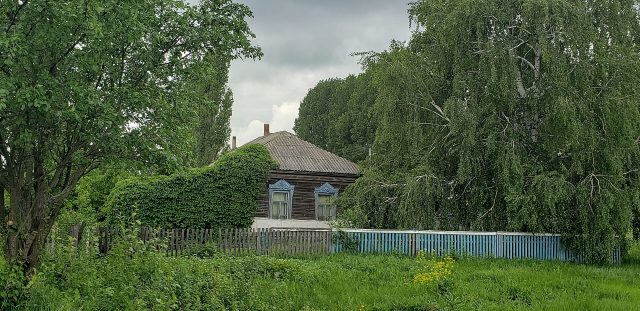
Jinotega sits quietly in the northern highlands of Nicaragua, a place where time seems to move at its own unhurried pace. The town is tucked away among rolling green mountains, far from the well-trodden paths of more famous destinations. There are no crowds here, no neon signs or tourist traps—just narrow streets lined with low-slung houses, their red-tiled roofs softened by the mist that often drifts through the valleys at dawn. The air carries the scent of damp earth and coffee, a reminder that this is a place shaped by the land itself. Life here follows the rhythm of the seasons: mornings begin with fog curling over the hills, afternoons bring warm sunlight filtering through the trees, and evenings cool quickly, a sign of how far the ocean is and how close the coffee farms are.
This is Nicaragua’s coffee country, and Jinotega wears the title with quiet pride. The town is at the heart of the nation’s coffee industry, producing some of the finest arabica beans in Central America. Many of the farms have been in the same families for generations, working the land much as their ancestors did. Coffee here isn’t just a crop—it’s a way of life. You can walk through the plantations, where workers carefully pick the ripe cherries by hand, or visit small family-run roasteries where the beans are sorted and dried under the sun. The coffee itself is unforgettable: bright and fruity, with a subtle acidity that lingers, a taste that tells the story of the high-altitude soil where it was grown. For anyone curious about how Nicaragua’s most famous export comes to life, Jinotega offers the real thing, unfiltered and unhurried.
Beyond the coffee farms, the landscape around Jinotega is made for exploration. The nearby Tisma Nature Reserve is a quiet haven for birdwatchers and those who enjoy wandering through untouched forests, where waterfalls tumble down moss-covered rocks. The Dinte Mountains offer hiking trails that wind through cloud forests and open onto sweeping views of the countryside. There are no marked tourist routes here, no crowds—just narrow paths worn by locals and the occasional call of a bird echoing through the trees. The pace is slow, the scenery unspoiled, and the sense of discovery is all the more rewarding for it.
Life in Jinotega moves at a different speed. In the town’s small cafés, people sit for hours over cups of coffee, talking or simply watching the world go by. The central square comes alive in the evenings, with children playing in the open space and older men gathered around tables, shuffling dominoes. There are no luxury hotels or high-end restaurants, just simple guesthouses where the owners might serve you breakfast made from ingredients grown in their own gardens. The food is straightforward but delicious—think gallo pinto with fresh tortillas, or a steaming bowl of vegetable soup made from whatever is in season. Jinotega doesn’t try to impress; it just is, and that’s what makes it special.
This isn’t a place for those seeking Instagram-worthy moments or fast-paced adventures. Jinotega is for travelers who want to step off the beaten path, to see Nicaragua as it really is—not through the lens of a guidebook, but through the quiet moments that unfold when you slow down. There’s no rush here, no pressure to see or do anything in particular. Instead, there’s time to wander, to listen, to taste the coffee and feel the cool mountain air. The town doesn’t shout for attention, but those who find it leave with something far more valuable: the sense of having discovered a place that feels real, a place that exists just as it always has, untouched by the noise of the outside world.
Eat & Drink
1 placePlaces on the map
Marker colour follows the categoryClimate and weather
Detailed weather: Jinotega- Average temperature
- 21 °C
- Precipitation per year
- 1051 mm
Average air temperature
°C
19
20
21
22
23
21
21
22
22
21
20
20
Jan
Feb
Mar
Apr
May
Jun
Jul
Aug
Sep
Oct
Nov
Dec