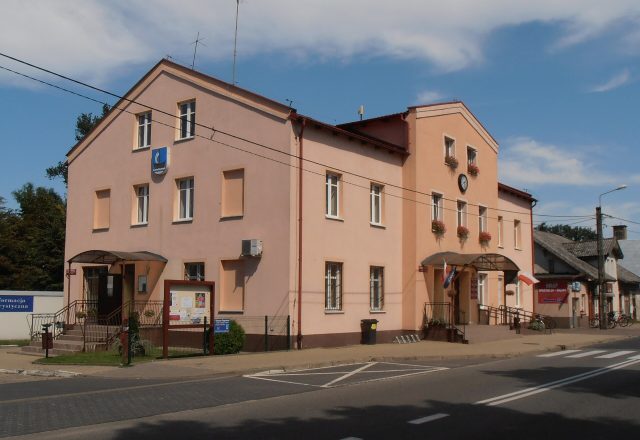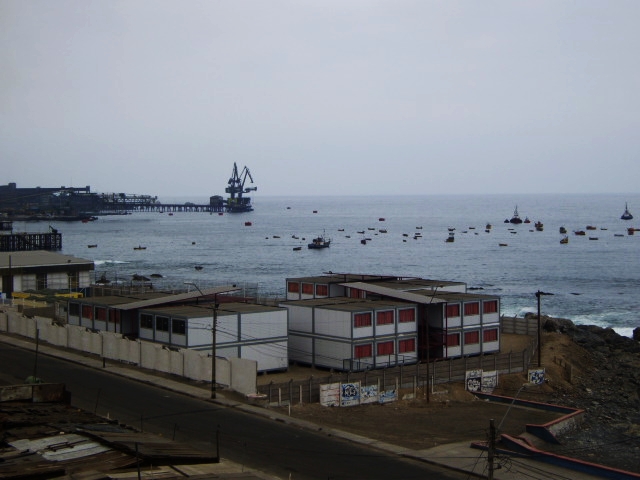
Tocopilla
Chile · 2 places
Photo: Victorddt, CC BY-SA 3.0
Tocopilla sits where the Atacama Desert meets the Pacific, a narrow strip of land squeezed between jagged hills and the endless ocean. The rhythm here isn’t set by clocks or schedules but by the slow, steady pulse of the tides. It’s a place where time feels different—less hurried, more deliberate, as if the vastness of the landscape has a way of stretching moments into something quieter, deeper.
This isn’t the Chile of glossy travel brochures. There are no crowded beaches, no neon signs, no tourist traps. Instead, there’s space. The kind of space that makes you pause, breathe, and notice the way the light slants across the hills at dusk or how the wind carries the salt of the sea. The town moves at its own pace. The streets are narrow, the buildings low, their whitewashed walls bleached by the sun. The ocean is always there, a constant presence, its waves crashing against the rocks below the cliffs.
Tocopilla’s story is tied to the desert’s riches. In the late 1800s, it became the heart of Chile’s nitrate boom, when the Atacama was the world’s most valuable source of saltpeter. Workers arrived from across the country and beyond, turning the port into a hub. Ships loaded with nitrate set sail for Europe, fueling industries and wars alike. The wealth was fleeting. When synthetic alternatives emerged in the 20th century, the mines closed, the factories fell silent, and the workers left. What remains are the rusted skeletons of old processing plants and ghost towns dotting the desert. The local nitrate museum holds photographs of laborers, their tools, and the stories of lives spent under the sun. It shows how quickly fortune can shift in a place where survival has always been a gamble.
Life here revolves around the ocean. The day begins with the cries of gulls and the sound of waves rolling in. Fishermen return with their catch, their boats heavy with the day’s haul. The market fills with the briny scent of fresh fish and shellfish, their scales glinting under the morning light. Older men sit on benches along the waterfront, watching the horizon as they have for decades. There’s a sense of continuity in these small rituals—an understanding that the sea gives and the sea takes, and all you can do is adapt.
Stop by a local eatery for chalupa—fish stewed with onions and peppers—or linger over coffee in a café where regulars greet you by name. The conversations are unhurried, the laughter easy. Silence isn’t something to fill here; it’s as much a part of the place as the sand or the salt air.
Just beyond the town, the Atacama begins. It’s one of the driest places on earth, where rain might not fall for years. The landscape is otherworldly—dunes stretching into the distance, rocks sculpted by wind into jagged forms. Along the coast, hidden coves and black sand beaches offer a stark contrast to the arid hills. Colonies of seabirds nest on the cliffs, their calls echoing against the rocks. And then there are the geoglyphs—massive designs etched into the hillsides by the Atacameño people centuries ago. The figures of animals, humans, and geometric shapes are still visible, their purpose unknown. They’re proof that people have left their mark on this land long before the nitrate boom or the fishing boats.
Tocopilla isn’t a place you visit for excitement. There are no luxury resorts, no nightlife, no curated experiences. It’s not about what you do here but how you feel. The quiet. The vastness. The way the wind carries the scent of the ocean and the desert at the same time. It’s a place to slow down, to sit on the shore and watch the waves, to listen to the stories of the people who’ve lived here for generations. In a world that moves too fast, Tocopilla offers something rare: the chance to step outside of time.
See & Do
2 places
Places on the map
Marker colour follows the categoryClimate and weather
Detailed weather: Tocopilla- Average temperature
- 17 °C
- Precipitation per year
- 3 mm
- Sunshine hours per day
- 7.8 h
Average air temperature
°C
20
21
19
17
16
15
14
14
15
15
17
19
Jan
Feb
Mar
Apr
May
Jun
Jul
Aug
Sep
Oct
Nov
Dec