- Home
- Kyrgyzstan
- Tokmak
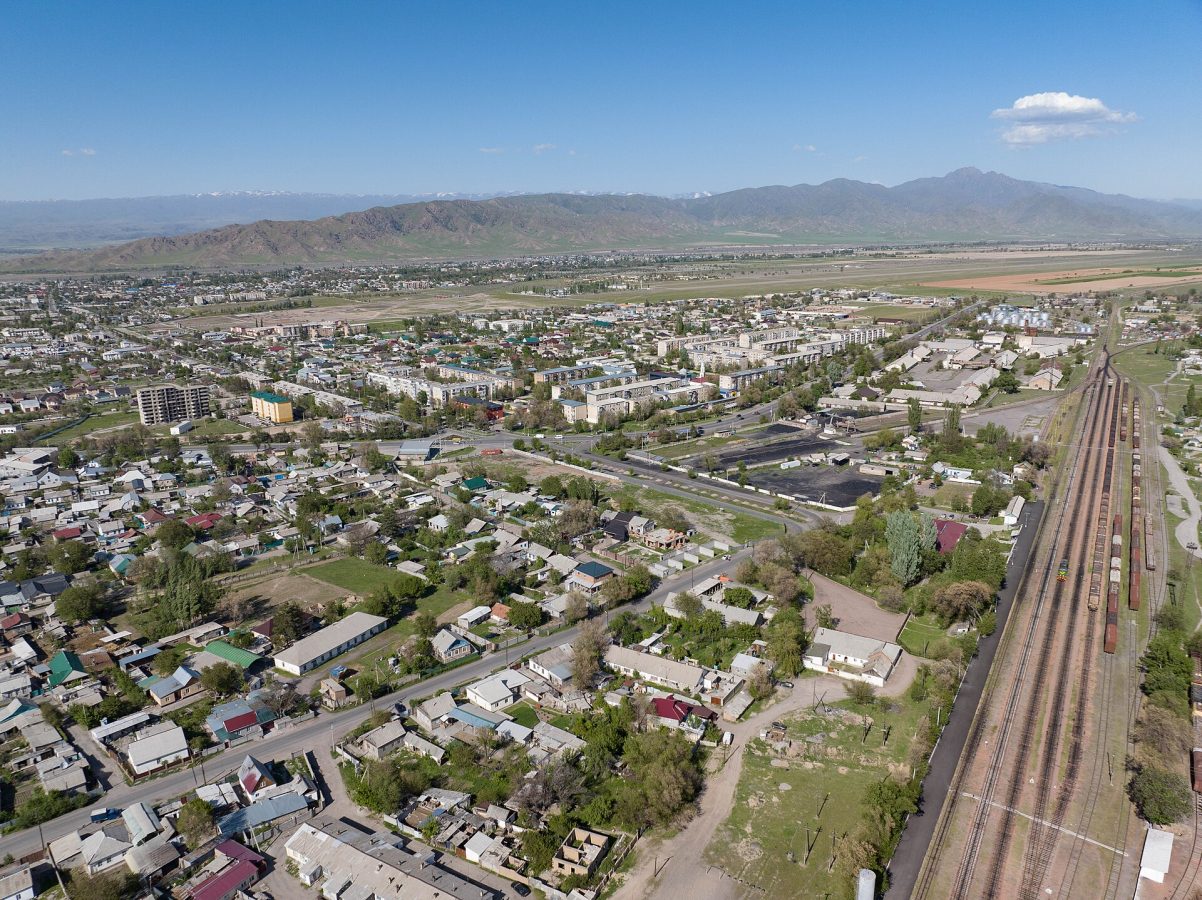
Tokmak
Kyrgyzstan · 1 place
Photo: Nikolai Bulykin, CC BY-SA 4.0
Tokmok is the kind of place you might drive right past on your way from Bishkek to Issyk-Kul. The town doesn’t demand attention. There are no grand fortresses or crowded bazaars, no tourists or flashy signs. It moves at its own pace, the kind that settles over you as soon as you turn off the highway.
The streets are narrow, lined with poplars, and the low-slung houses have carved wooden shutters. In the distance, the mountains rise like a wall, holding up the sky. Tokmok doesn’t try to be anything more than it is, and that’s why it feels like Kyrgyzstan—unpolished and quietly alive.
The town’s history is modest. It began as a small settlement along the Silk Road. It grew in the 19th century when Russian settlers arrived and built the first stone houses. They brought the telegraph, then the railway, linking Tokmok to Pishpek (now Bishkek). By the Soviet era, factories, schools, and hospitals had turned it into a provincial hub. Some of that time is still visible today—wide streets named after revolutionaries, a few old buildings like the former House of Culture or the railway station. The House of Culture now hosts weddings. The station still sees trains rumbling through from Bishkek to Balykchy.
The one thing that draws visitors to Tokmok isn’t in the town itself but a few kilometers away: the Burana Tower. It’s all that remains of the ancient city of Balasagun, once a capital of the Karakhanid state. You can climb its narrow spiral staircase to the top. The view stretches over steppe and mountains. Nearby, an open-air museum displays stone carvings and tombstones called *balbals*. Their weathered faces hint at lives lived centuries ago.
Back in Tokmok, life is simple. The central market is a jumble of stalls selling fresh fruit, homemade cheese, knockoff sneakers, and old Soviet records. You can eat beshbarmak or manti cooked in huge cauldrons. The town park, planted in Soviet times, is where locals gather. It’s overgrown now, but the old trees still offer shade. In the evenings, people sit on benches, chat, or enjoy the air. There’s a small pond with ducks and a playground full of kids.
Tokmok isn’t the kind of place that leaves a dramatic impression. It doesn’t have grand sights or a packed itinerary. You can wander the streets, stop in a chaikhana for tea while regulars debate the news, or sit by the Chuy River. The water is murky but cool. On the other side, fields and orchards stretch out, where people grow vegetables and fruit. In summer, the air smells of wild herbs. In the evenings, smoke from cooking fires drifts over the town. Tokmok offers stillness, a sense of being exactly where you are. It lingers in memory long after you’ve left.
See & Do
All of them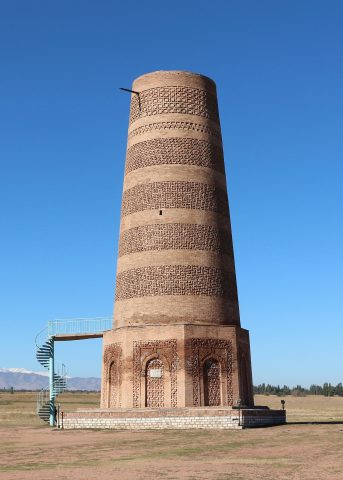
Places on the map
Marker colour follows the categoryClimate and weather
Detailed weather: Tokmak- Average temperature
- 12 °C
- Precipitation per year
- 591 mm
Average air temperature
°C
-1
1
8
13
19
23
26
23
19
10
3
-1
Jan
Feb
Mar
Apr
May
Jun
Jul
Aug
Sep
Oct
Nov
Dec


