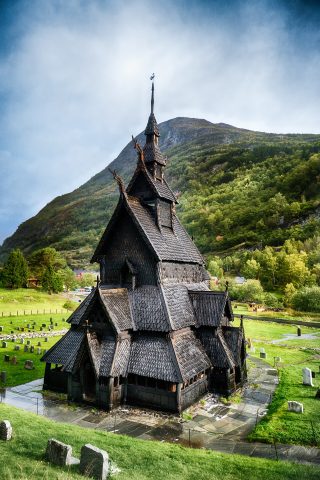
Bowang Shan
Nepal · 1 place
Photo: Carsten.nebel, Public domain
Bowang is one of those quiet corners of Nepal that most travelers pass by without a second thought. Tucked away in a valley on the country’s western edge, it’s a place where the air carries the scent of woodsmoke and cut grass, where the only sounds breaking the stillness are the crow of roosters at dawn and the steady clatter of handlooms. There are no crowds here, no souvenir stalls, no grand hotels—just a slow, unhurried rhythm of life that hasn’t changed in generations. The people, mostly from the Magar community, live much as their ancestors did, farming rice and maize, tending livestock, and gathering in the evenings around fires to share stories to the beat of homemade drums.
What makes Bowang special isn’t its landmarks or museums—there are none worth mentioning—but the way it offers a glimpse into Nepal’s rural heart. The narrow, stone-paved lanes wind past mud-brick houses with carved wooden balconies, where laundry and drying corn flutter in the breeze. The central square is home to a modest temple dedicated to a local deity, surrounded by small shops selling everyday essentials: salt, spices, handwoven cloth, and clay pots. There are no tourists posing for photos, no guided tours, just the quiet hum of daily life unfolding exactly as it has for decades. For those willing to look beyond the usual travel brochures, Bowang reveals a side of Nepal that most visitors never see.
The landscapes around the town are worth exploring at a leisurely pace. To the north, the foothills of the Himalayas rise gently, with trails leading through dense forests and terraced fields to remote villages hidden among the greenery. Local guides can take you to secluded waterfalls where cool, clear pools invite a swim, or to ancient caves said to have once sheltered hermits. The scenery is especially striking in spring, when rhododendrons bloom in vibrant hues, and in autumn, when the valley glows with the golden tones of ripening crops. This isn’t a place for those seeking luxury or convenience, but for travelers who value authenticity, it offers something far more rewarding.
Life in Bowang moves at its own unhurried pace. Mornings begin with tea sipped slowly on wooden benches outside homes, while afternoons see men working in the fields and women cooking over open fires, using recipes passed down through generations. Evenings belong to the community—neighbors gather as kerosene lamps flicker to life, and children play in the streets until darkness falls. Electricity is unreliable, internet access is spotty at best, and the roads turn to mud after rain, but these very inconveniences make a stay here feel real in a way that polished tourist destinations never can.
For those who make the journey, Bowang offers a rare window into a world where time isn’t measured in hours but in the changing of seasons, where wealth isn’t counted in currency but in the ability to find joy in simple things. There’s no luxury here, but there’s something far more precious: a sense of sincerity, of peace, of stepping into a place where life unfolds on its own terms, untouched by outside expectations. Bowang won’t appeal to those seeking excitement or spectacle, but for anyone tired of the hustle and eager to see Nepal as it truly is, it might just be the perfect retreat.
See & Do
All of them
Places on the map
Marker colour follows the categoryClimate and weather
Detailed weather: Bowang Shan- Average temperature
- 3 °C
- Precipitation per year
- 1654 mm
- Average humidity
- 63 %
- Sunshine hours per day
- 10.1 h
- Time zone
- UTC+5:45 (GMT+5:45)
Average air temperature
°C
-3
-3
-2
2
5
9
10
9
8
4
1
-1
Jan
Feb
Mar
Apr
May
Jun
Jul
Aug
Sep
Oct
Nov
Dec