
Tehran
Iran · 10 places
Photo: Amir1140 at English Wikipedia, CC BY-SA 3.0
TehranTehran isn’t the kind of city that reveals itself at first glance. There are no winding medieval alleys like in Isfahan, no grand ruins like those at Persepolis—just the raw, unfiltered pulse of a capital that has grown into something far more complex than its ancient counterparts. Stretched across the foothills of the Alborz Mountains, it’s a place where the skyline is often lost in a haze of smog, yet from the heights of Milad Tower or the slopes of Darband, the view unfolds in layers: sleek high-rises give way to sprawling parks, and beyond them, the snow-capped peaks stand as a quiet reminder of the wilderness that still lingers at the city’s edge.
The heart of Tehran beats in its bazaars, and none more so than the Grand Bazaar, a labyrinth of covered passageways where the air hums with the clatter of metalwork, the scent of freshly baked bread, and the low murmur of bargaining. Here, vendors sell everything from saffron and handwoven carpets to antique coins and gold jewelry, their stalls packed so tightly that sunlight barely filters through. It’s easy to lose track of time wandering these corridors, watching artisans hammer copper into designs or weavers knot threads into patterns passed down through generations. Nearby, old tea houses offer a respite from the chaos, where men sip steaming glasses of chai and play backgammon, their conversations blending into the rhythm of the city.
But Tehran isn’t just about tradition. In the northern districts, where the air grows crisper and the streets quieter, a different side emerges—one of hip cafés, contemporary art galleries, and boutiques where local designers reimagine Persian motifs in modern forms.
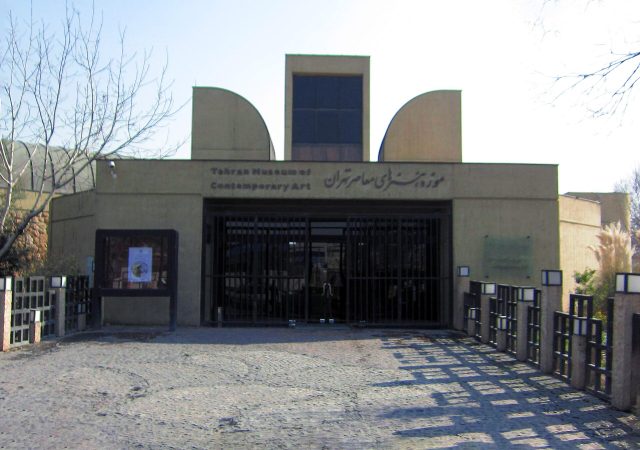
History here isn’t confined to museums; it seeps into the streets. The Golestan Palace, with its mirrored halls and mosaic domes, offers a glimpse into the Qajar era, where shahs once held court beneath ceilings that shimmer like the night sky. The city’s museums span millennia, from the ancient artifacts in the National Museum of Iran to the modern art in the Museum of Contemporary Art, where works by Iranian and Western artists hang side by side. The Carpet Museum displays pieces where each thread is woven with the myths, landscapes, and traditions of a country that has long been a crossroads of civilizations.
What makes Tehran compelling is its refusal to fit into a single narrative. It’s a city of contradictions: women in hijabs walk past women in jeans, a centuries-old mosque stands beside a minimalist café, and behind the unassuming door of a courtyard house, a craftsman might be restoring a manuscript older than the city itself. There’s no risk of getting lost in the conventional sense, but you might lose yourself in the way the past and present collide here. Tehran moves at its own pace, indifferent to expectations, and that’s why it leaves a lasting impression. If you come without preconceptions, it will surprise you—not with perfection, but with something far more real.
See & Do
9 places




Places on the map
Marker colour follows the categoryClimate and weather
Detailed weather: Tehran- Average temperature
- 19 °C
- Precipitation per year
- 213 mm
- Sunshine hours per day
- 8.3 h
Average air temperature
°C
6
8
13
19
24
30
32
31
27
20
12
7
Jan
Feb
Mar
Apr
May
Jun
Jul
Aug
Sep
Oct
Nov
Dec


