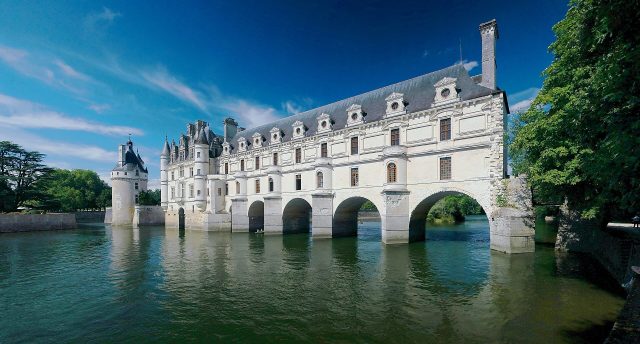
Sintra
Portugal · 10 places
Photo: Singa Hitam, CC BY 2.0
Sintra feels like a place that slipped out of a storybook and decided to stay. Tucked into the rolling hills just outside Lisbon, it’s a town where the air carries the scent of pine and eucalyptus, cooled by the Atlantic breeze. The streets wind lazily between old stone houses, their facades softened by time, and the only sounds are the rustle of leaves underfoot and the occasional clatter of dominoes from a café terrace where locals while away the afternoon. There’s no rush here—just the quiet rhythm of a place that seems content to let visitors wander at their own pace, pausing to sip coffee in the shade of plane trees or browse the shelves of a dusty antique shop.
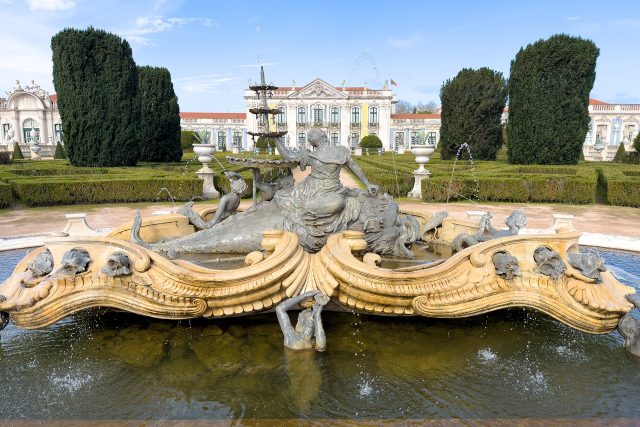
The palaces and castles are what draw most people to Sintra, each one a chapter of Portugal’s past. Perched above the town, Pena Palace is impossible to miss—its bright yellow and red towers, domes, and arched windows look like they were plucked from different centuries and stitched together. Inside, the rooms are a maze of royal chambers, ornate furniture, and faded frescoes, while the views from the terraces stretch across forests and valleys. Nearby, the Moorish Castle clings to a hilltop, its crumbling walls offering a stark contrast to Pena’s vibrancy. From its battlements, the landscape unfolds in layers: dense woods, patchwork fields, and, on clear days, the distant glint of the ocean. Then there’s the National Palace in the heart of town, its two massive chimneys rising like sentinels over the square. Once a summer retreat for Portuguese kings, it’s now the most recognizable landmark in Sintra, its interiors a mix of Gothic, Manueline, and Moorish influences.
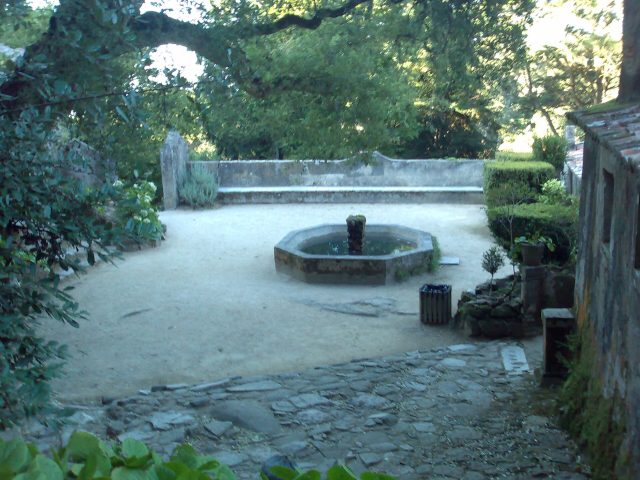
But Sintra’s magic isn’t just in its grand estates. There’s something intangible about the place—an atmosphere that has long captivated artists, writers, and dreamers. Lord Byron called it a "glorious Eden," and the town still carries that sense of enchantment. Locals whisper about hidden tunnels and ghostly apparitions, while the surrounding countryside is dotted with estates that feel like secret worlds. Quinta da Regaleira is the most famous, its gardens a tangle of moss-covered statues, hidden grottoes, and the eerie Initiation Well, a spiral staircase descending into the earth. Then there’s Monserrate, where terraced gardens spill down the hillside, offering sweeping views of the Atlantic. Even a simple walk through these places feels like stepping into a different era, where time moves a little slower.
Life in Sintra unfolds at its own unhurried pace, untroubled by the crowds that flock to Lisbon or Porto. The town’s cafés serve buttery pastries and strong coffee, while family-run restaurants dish up hearty stews and fresh seafood. In the evenings, the streets grow quiet, lit only by the warm glow of streetlamps and the occasional flicker of candlelight from a wine cellar. It’s then that Sintra feels most like itself—a place where the past lingers in the shadows, and the present moves just slowly enough to let you catch your breath. There’s no grand spectacle here, just the quiet allure of a town that seems to keep its secrets close, revealing them only to those who take the time to look.
See & Do
10 places




Places on the map
Marker colour follows the categoryClimate and weather
Detailed weather: Sintra- Average temperature
- 16 °C
- Precipitation per year
- 938 mm
- Average humidity
- 80 %
- Sunshine hours per day
- 9.8 h
- Time zone
- UTC+1 (GMT+1)
Average air temperature
°C
12
12
13
15
16
19
20
21
19
18
14
11
Jan
Feb
Mar
Apr
May
Jun
Jul
Aug
Sep
Oct
Nov
Dec