Perched on a quiet hillside in Sintra, the Convent of the Capuchos feels like a place suspended outside of time. This modest monastery, tucked away among the forested slopes, was once home to the Capuchin friars, an order known for their austere way of life and devotion to simplicity. Founded in the mid-16th century, it offered refuge to monks seeking solitude far from the bustle of Lisbon. Even today, the convent retains an air of tranquility, untouched by the crowds that flock to Sintra’s more famous landmarks. The silence here is almost tangible, as if the centuries of prayer and contemplation have settled into the very stones.
The architecture of the convent reflects the Capuchins’ strict vows of poverty. There are no grand facades, no ornate carvings, no gilded altars—just rough-hewn stone walls that have weathered over time, blending seamlessly with the surrounding landscape. The buildings are small and unassuming, with narrow windows and low ceilings that create an intimate, almost claustrophobic atmosphere. Inside the cells, wooden beams and simple furnishings evoke the daily lives of the monks who once lived here. The lack of embellishment is striking, but it’s precisely this austerity that gives the place its quiet power. Every corner feels authentic, as if the past has been preserved rather than restored.
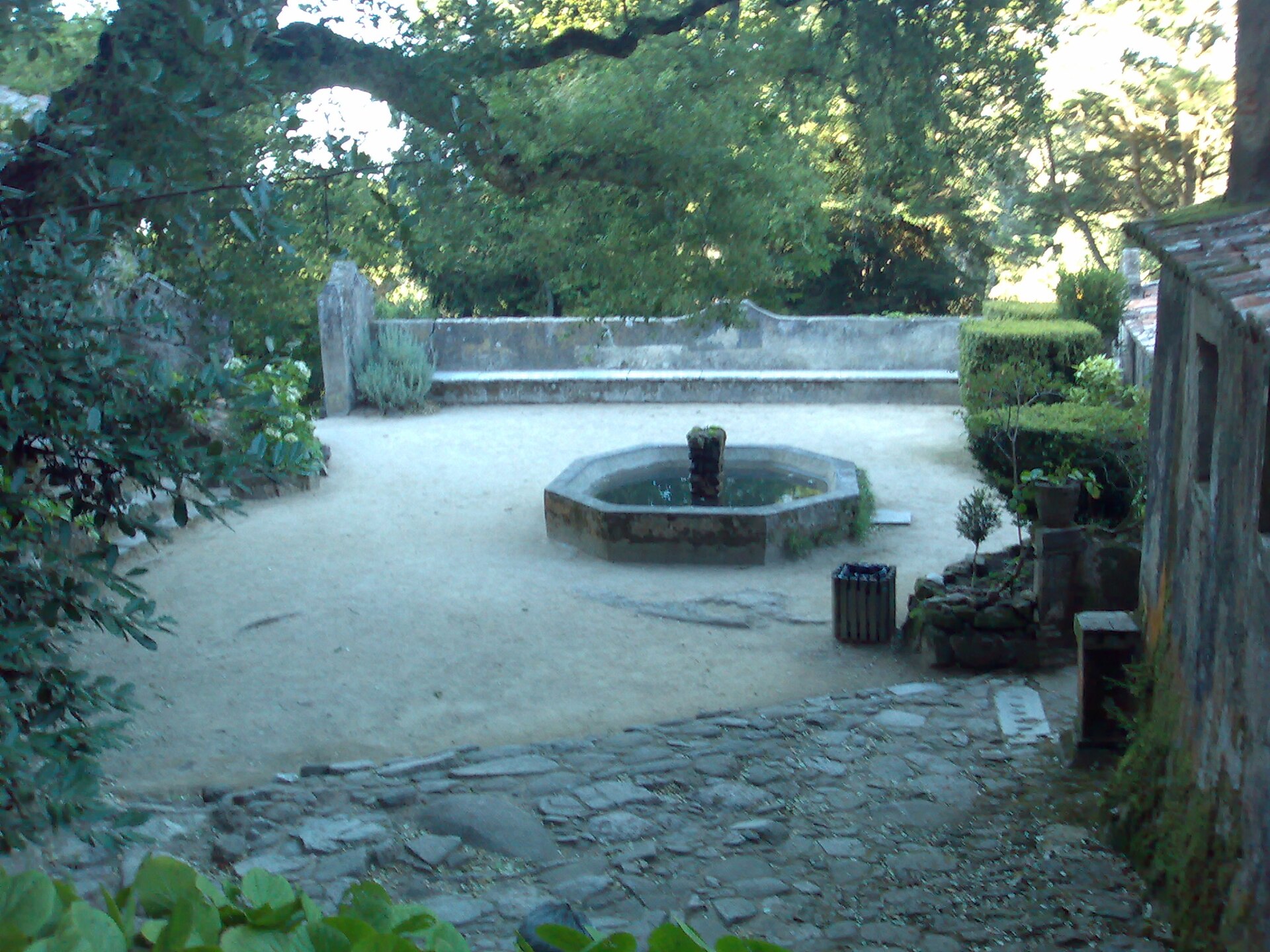
The convent sits on a slope overlooking a valley, where the forest stretches out in all directions. In its heyday, the monks tended to the land themselves, growing vegetables and herbs in the garden below. Though the garden is no longer cultivated as it once was, the old fruit trees and winding paths remain, inviting visitors to wander and reflect. On clear days, the Atlantic Ocean shimmers in the distance, a reminder of Sintra’s long connection to the sea—whether as a trading hub or a destination for pilgrims. The view from the hill is understated but deeply peaceful, a far cry from the opulence of nearby palaces like Pena or Queluz.
Unlike those grand estates, the Convent of the Capuchos was never a place of wealth or influence. It didn’t attract kings or nobles, nor did it boast lavish interiors. Instead, it served as a spiritual sanctuary for ordinary people, who came seeking solace, guidance, or simply a moment of quiet. The friars were known for their kindness and humility, and their reputation endured long after they left. Even now, the convent feels like a place of refuge, a retreat from the noise of the modern world.
By the 19th century, the convent had fallen into disrepair. The Capuchins abandoned it, and nature slowly reclaimed the buildings. For decades, it stood empty, its walls crumbling, until restoration efforts began in the 20th century. Today, it’s open to visitors, though it remains one of Sintra’s least crowded attractions. Those who make the journey here are often looking for something different—not spectacle, but a sense of stillness, a chance to step into a slower, more contemplative rhythm of life.
Inside, the small chapel and a few of the monks’ cells have been preserved. The chapel is as simple as the rest of the convent: wooden benches, a plain altar, and a handful of icons. There’s no electric lighting, so the space is bathed in the soft, filtered light that seeps through the narrow windows. It’s easy to imagine the friars gathering here for prayer, their voices echoing in the dim, quiet space. The cells display a few everyday objects—a clay jug, a wooden spoon, a coarse blanket—arranged as if the monks had just stepped out for a moment.
A walk through the convent’s grounds offers a different perspective on Sintra. There are no grand vistas or manicured gardens, just the raw beauty of the landscape and the sense of being somewhere untouched. You can sit on one of the stone benches in the garden, listening to the rustle of leaves, or climb to a small rise where the valley unfolds below. In moments like these, it’s clear why the Capuchins chose this place. The isolation, the natural beauty, the quiet—it all feels like an invitation to pause and reflect.
The Convent of the Capuchos isn’t the kind of place that dazzles with spectacle. There’s no luxury here, no entertainment, no grand narrative. But that’s precisely what makes it special. In an age where so many historic sites have been polished into tourist attractions, this monastery remains stubbornly authentic. It doesn’t try to impress or entertain; it simply exists, as it has for centuries. And those who find their way here often leave with the quiet satisfaction of having experienced something real.