- Home
- Kazakhstan
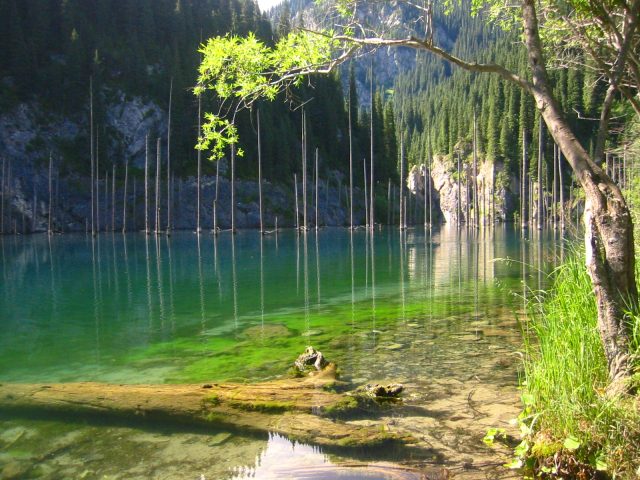
- Lake Saty
Lake Saty
Kazakhstan · 2 places
Photo: Man77, CC BY-SA 3.0
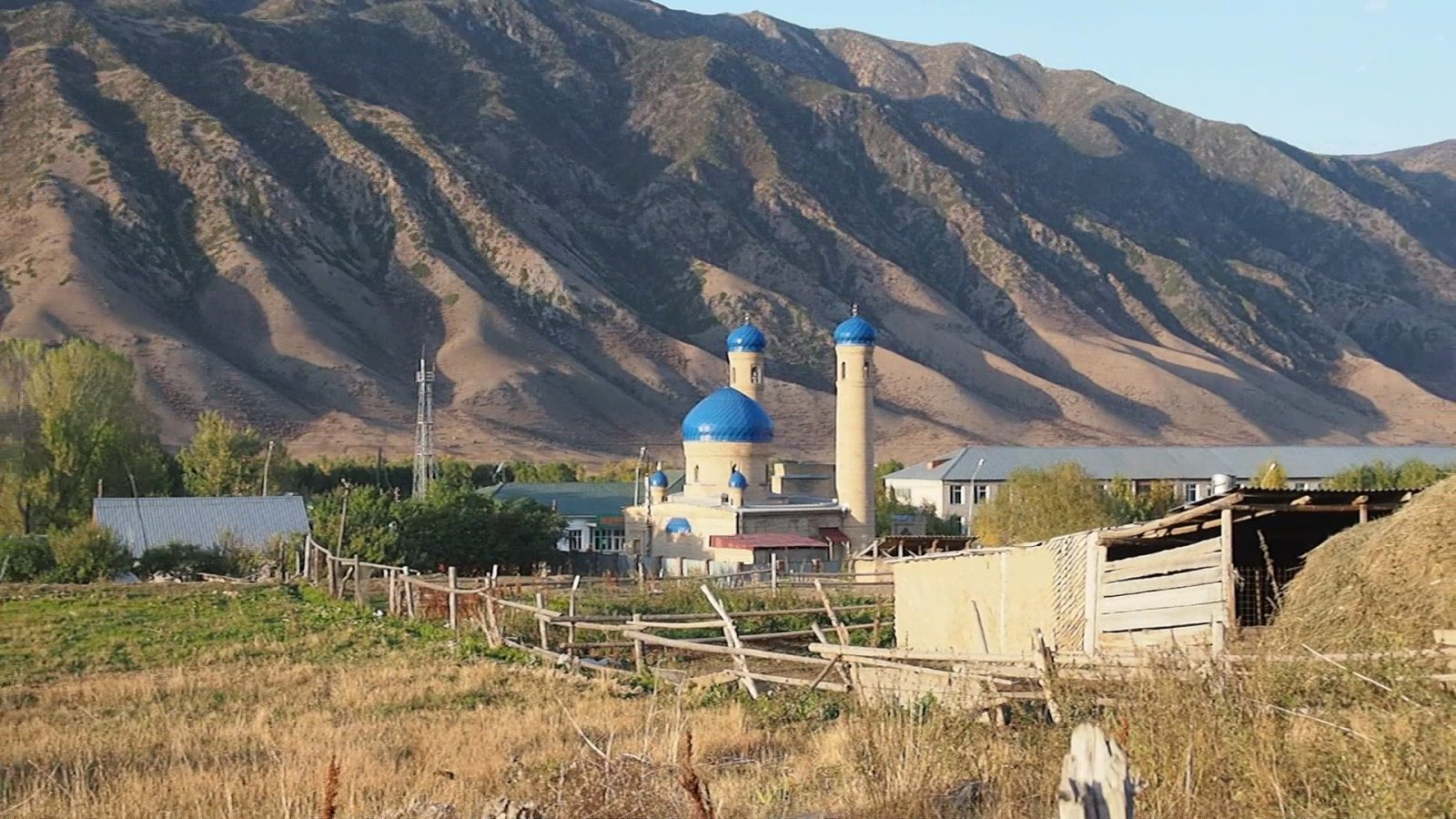
Saty is one of those places that rarely makes it onto tourist maps, and that’s precisely what makes it special. Tucked away in southern Kazakhstan, it sits quietly in the foothills of the Tian Shan, where the steppe stretches out in rolling waves of golden grass in summer and a dusting of snow in winter. There are no crowds here, no grand monuments or polished attractions—just a quiet rhythm of life that feels like it moves a little slower than elsewhere. The locals call it simply Saty, without fuss or fanfare, and there’s something comforting in that simplicity.
Life here unfolds at its own unhurried pace. Mornings begin with elderly men gathering in the central square, sipping strong tea as they catch up on the day’s news. By evening, the same spot fills with the clatter of backgammon pieces and the murmur of conversations drifting from benches. There are no skyscrapers or shopping malls, just low clay houses with flat roofs, narrow streets that twist and turn without warning, and markets where you can find everything from fresh bread to handwoven rugs. The early hours at the bazaar are particularly alive, with the scent of spices, herbs, and hot flatbreads hanging in the air as vendors set up their stalls.
The land around Saty is generous, offering quiet escapes for those who seek them. Nearby, mountain trails lead to small waterfalls and springs where the water runs so clear it seems untouched. In summer, locals and the occasional traveler head to the river for long picnics under the shade of poplar trees, grilling skewers of meat and passing around cups of ayran. When winter arrives, the hills become a playground for horseback rides and sledding, while hikers venture toward the mountains, where snow lingers well into spring. The landscape isn’t wild, but it isn’t tamed either—it simply exists, as much a part of daily life as the streets or the houses.
Saty doesn’t boast grand museums or architectural marvels, but its history is woven into the details. In the older neighborhoods, Soviet-era houses still stand with their carved wooden window frames and inner courtyards where fruit dries in the sun and jars of preserves line the walls. The local mosque, modest in size, holds its own quiet significance for those who visit. There are no souvenir shops selling trinkets with the town’s name, but you might find hand-stitched embroidery or clay pitchers made the old way, sold by women who learned the craft from their mothers.
This isn’t a place you come to for excitement or a checklist of sights. There’s no need to rush, no pressure to document every moment. You can wander the streets, duck into a teahouse where men with long beards sit at low tables discussing life, or simply sit by the river as the sun dips behind the mountains. Saty doesn’t try to impress anyone, and that’s its greatest charm. It exists quietly, unassuming and beautiful in its own way—a place where time feels a little softer, and the world a little slower.
See & Do
All of them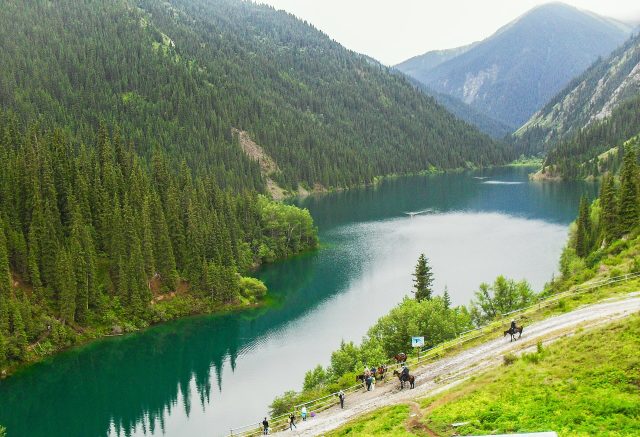
Places on the map
Marker colour follows the categoryClimate and weather
Detailed weather: Lake Saty- Average temperature
- 8 °C
- Precipitation per year
- 431 mm
Average air temperature
°C
-3
-2
3
9
13
17
18
18
14
9
3
-2
Jan
Feb
Mar
Apr
May
Jun
Jul
Aug
Sep
Oct
Nov
Dec