- Home
- Costa Rica
- Santa Ana Volcano

Santa Ana Volcano
Costa Rica · 8 places
Photo: Apega71, CC BY-SA 4.0
Santa Ana
Santa Ana is one of those places in Costa Rica most travelers overlook, rushing toward beaches or national parks. Only twenty kilometers from San José, it moves at its own pace. The air is softer here, and the streets hum with the rhythm of everyday life.
The heart of Santa Ana is its weekend markets. On Saturdays, the central square fills with farmers selling fresh fruit, handmade cheese, and warm bread. The scent of grilled corn and coffee mixes with conversation, while musicians play in the background. This is where locals gather—not the version in brochures, but the one they live.
Try gallo pinto, the country’s rice-and-beans breakfast, or a glass of maracuyá juice from a street vendor. The market isn’t just for shopping; it’s where the town connects, where strangers become familiar, and where time doesn’t matter.
The town is a mix of low-slung houses, their colors faded but still bright against the greenery. A few colonial-era buildings remain near the center, their wooden balconies and arched doorways hinting at the past. Most of Santa Ana feels lived-in, not polished. Early evening is the best time to walk its streets, when the light softens the buildings and the air smells of blooming trees.
Locals move slowly, but they’ll pause to talk if you ask about their produce or need directions.
Beyond the town, coffee plantations cover rolling hills, their neat rows giving way to forests and misty peaks. Many farms offer tours where you can walk among the plants, learn how beans are harvested, and taste the coffee Costa Rica is known for. The Virilla River cuts through the valley, its banks lined with trails past waterfalls and bamboo thickets. In the rainy season, rafters come for the fast water, but even in drier months, the river keeps the air alive.
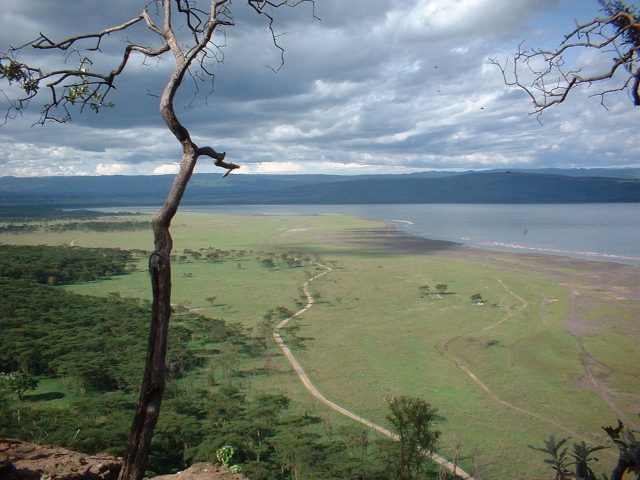
The hills around town offer quiet hikes with views of the valley below, where fields and forests stretch to the horizon.
Santa Ana isn’t for luxury resorts or nightlife. It’s for slowing down. The streets are narrow, the people are kind, and the days pass without fanfare. You might spend an afternoon drinking coffee on a shaded patio, listening to birds, or wandering a market where no one rushes you.
Here, you begin to understand *pura vida*—not as a slogan, but as something quieter, truer.
See & Do
8 places


Places on the map
Marker colour follows the categoryClimate and weather
Detailed weather: Santa Ana Volcano- Average temperature
- 21 °C
- Precipitation per year
- 2319 mm
Average air temperature
°C
21
21
21
22
22
21
22
21
21
21
21
21
Jan
Feb
Mar
Apr
May
Jun
Jul
Aug
Sep
Oct
Nov
Dec