Santa Ana Conservation Center is a quiet place in Costa Rica where nature and people meet. It sits on the edge of a small town, without the polished trails or crowds of the country’s famous national parks. Instead, it offers a few hectares of forest, ponds, enclosures for animals, and stillness broken only by birdsong and the rustle of leaves.
The center began in the late 20th century to help restore Costa Rica’s ecosystems. At the time, the country was dealing with deforestation, and places like this became a way to protect wildlife. Today, visitors can see capuchin monkeys, sloths, and rare birds that are harder to find in the wild. The enclosures are spacious, letting animals move freely while guests watch without intrusion.
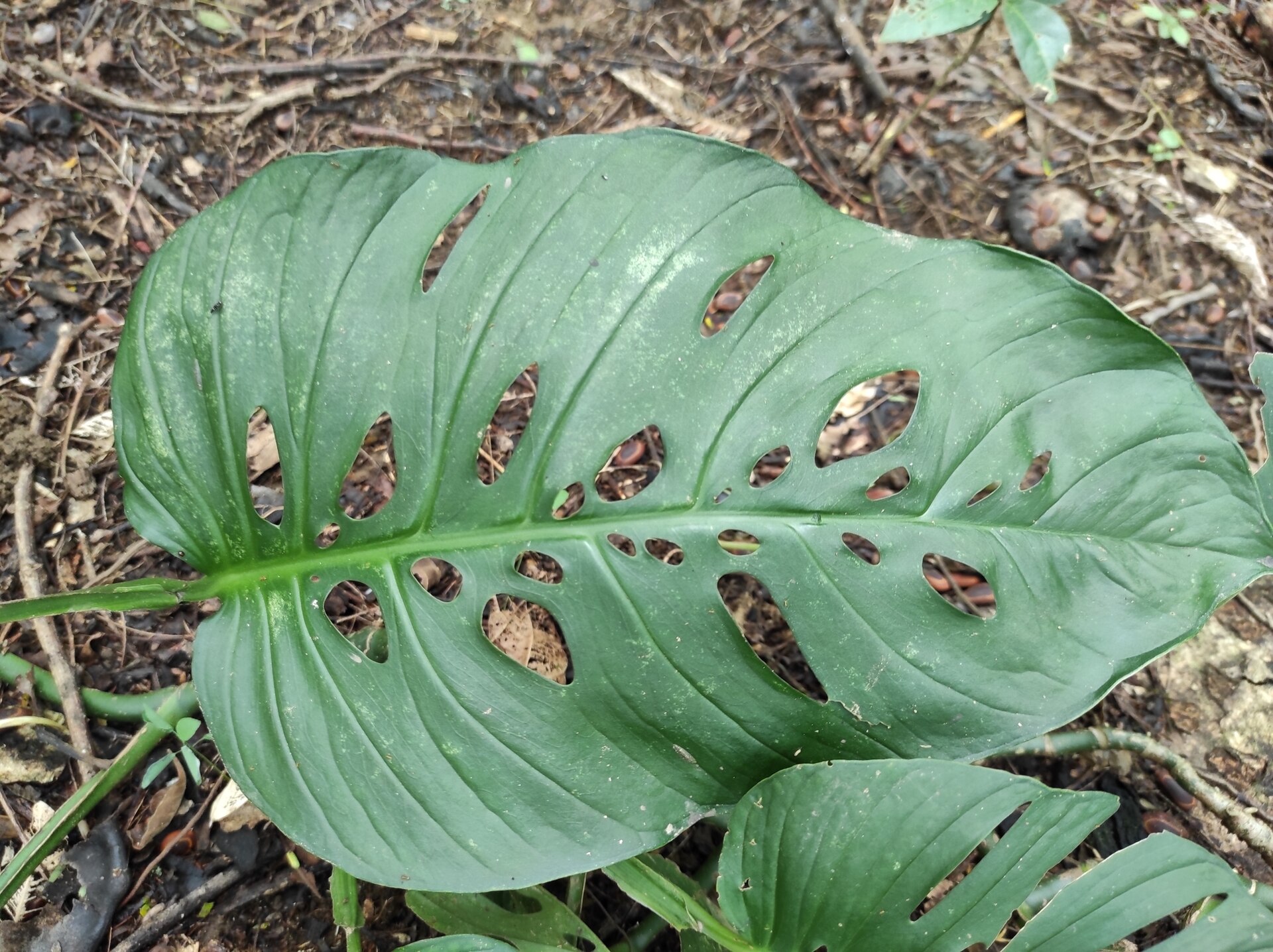
The botanical collection preserves plants from the dry tropical forests that once covered much of the Central Valley. Many of these species are endangered, and the center acts as a seed bank. Signs along the trails identify trees and shrubs, but the forest feels alive even without them—humid, earthy, and full of movement.
For locals, the center is a place to learn. School groups visit to study ecosystems and biodiversity. Adults come to sit by the ponds or walk the shaded paths to small lookout points. There’s no agenda, just the quiet rhythm of the place.
The architecture is simple. Wooden structures and bridges over streams blend into the surroundings. The focus stays on the land itself, not flashy attractions.
Santa Ana is a typical Costa Rican town. Small cafés serve local coffee, and little shops sell handmade crafts. The conservation center fits into this setting, a reminder that nature can still exist near cities.
Visiting is easy. Wear comfortable shoes, bring water, and maybe binoculars for the birds. Entry is affordable, and hours are flexible. The key is to take your time—because the forest doesn’t rush.
In recent years, the center joined Costa Rica’s network of protected areas. The country is known for its environmental work, and places like this show that commitment. There’s no attempt to profit from visitors—just an invitation to see nature as a shared existence.
If you’re in Santa Ana, stop by for an hour. Not for photos or a checklist, but to feel the ground beneath your feet. Travel isn’t just about seeing new places—it’s about seeing the world differently.