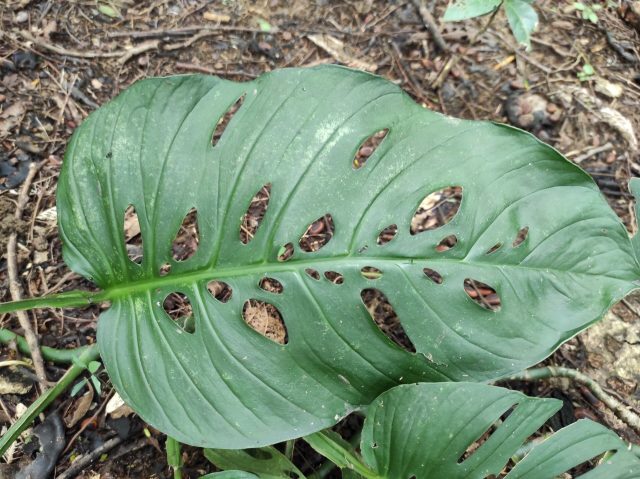
Weather overview
Santa Ana enjoys a mild climate year-round, making it a pleasant destination regardless of when you visit. The weather here is shaped by two distinct seasons: a dry period and a rainy one. From January through March, Santa Ana sees minimal rainfall, with warm days and cooler nights. By April, the transition begins, and the wet season fully sets in from May to October, bringing frequent showers and lush greenery to the area.
Travelers will find that Santa Ana rarely experiences extreme temperatures. Even during the wettest months, the rain typically arrives in short bursts, often in the afternoons or evenings, leaving mornings clear and sunny. November and December mark the return of drier conditions, offering a comfortable balance before the cycle repeats.
Temperature
Temperatures in Santa Ana remain steady throughout the year, with only slight variations between seasons. The warmest months are April and May, when daytime highs reach +27.4 °C and +27.6 °C, while nights stay mild at around +17.7 °C and +18.5 °C. Even during the cooler months, such as January and February, the average highs hover around +25.9 °C and +26.1 °C, with lows dipping to +17.1 °C and +17 °C.
The dry season, from January to March, brings slightly cooler evenings, but daytime temperatures remain comfortable for outdoor activities. As the rainy season begins in May, the heat becomes more consistent, though the frequent showers help moderate the warmth. By November, temperatures ease back into a pleasant range, making it an ideal time to explore Santa Ana without the intensity of the mid-year heat.
| Month | Minimum | Maximum |
|---|---|---|
| January | 17.1 | 25.9 |
| February | 17 | 26.1 |
| March | 17.1 | 27.1 |
| April | 17.7 | 27.4 |
| May | 18.5 | 27.6 |
| June | 18 | 26.4 |
| July | 18.4 | 26.5 |
| August | 18.1 | 26.5 |
| September | 17.7 | 26.6 |
| October | 17.8 | 26.3 |
| November | 18 | 25.4 |
| December | 17.4 | 25.7 |
Precipitation
Santa Ana experiences a clear divide between its dry and wet seasons. The driest months, January and February, see minimal rainfall, with just 26.8 mm and 17.7 mm respectively. By March, precipitation begins to increase, and by April, the wet season is underway, peaking in June, August, and October, when monthly rainfall exceeds 300 mm.
During the rainy season, Santa Ana receives frequent but often brief downpours, typically in the late afternoon or evening. May and September are transitional months, with rainfall increasing or tapering off gradually. The short dry spell in December, with only 30.3 mm of rain, offers a respite before the cycle begins anew. Travelers visiting during the wet season should plan for occasional showers but can still enjoy plenty of sunshine in the mornings.
| Month | Precipitation |
|---|---|
| January | 26.8 |
| February | 17.7 |
| March | 40.8 |
| April | 145.9 |
| May | 153.8 |
| June | 335.8 |
| July | 294.8 |
| August | 338 |
| September | 276.4 |
| October | 338.5 |
| November | 320.6 |
| December | 30.3 |
What to pack
For a trip to Santa Ana during the dry season, lightweight clothing is ideal, along with a light jacket or sweater for cooler evenings. From January to March, the weather is warm but not oppressive, so breathable fabrics will keep you comfortable. A hat and sunscreen are also useful for daytime outings, as the sun can be strong even in the cooler months.
If you’re visiting Santa Ana during the rainy season, from May to October, pack a compact umbrella or a waterproof jacket to stay dry during afternoon showers. Quick-drying clothing and comfortable walking shoes are practical for exploring, as the ground can be damp. Even in the wet season, mornings are often sunny, so don’t forget sunglasses and sunscreen. A light rain cover for your bag will help protect your belongings during sudden downpours.
| Month | Wind speed |
|---|---|
| January | 5.2 |
| February | 5.8 |
| March | 5 |
| April | 4.3 |
| May | 3.6 |
| June | 2.6 |
| July | 3.4 |
| August | 3 |
| September | 2.8 |
| October | 2.7 |
| November | 3.2 |
| December | 5 |