São Paulo
Brazil · 8 places
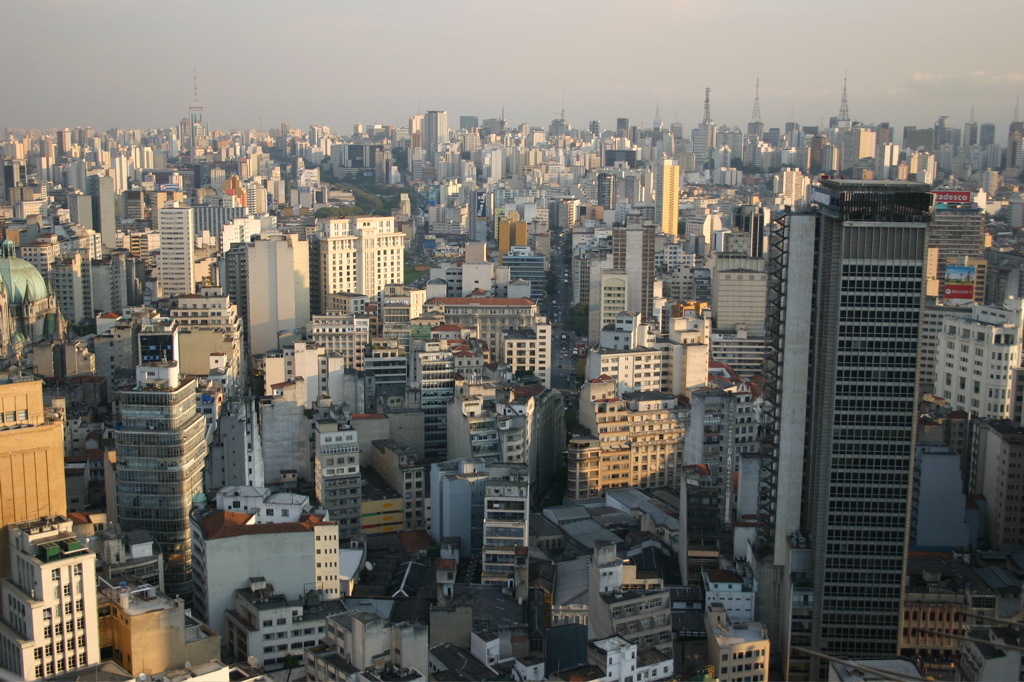
Photo: Thomas Hobbs, CC BY-SA 2.0
São Paulo
This city doesn’t pause. Cars, people, and ideas move fast—yet it never feels like just another concrete sprawl. Instead, it’s a mix of neighborhoods, each with its own rhythm. One block might have European-style cafés and secondhand bookshops; the next, an Asian market where spices and seafood fill the air. Around the corner, skyscrapers rise, their glass facades reflecting nothing but each other.
Food is everywhere. Pastéis—crispy pastries stuffed with meat, cheese, or hearts of palm—are sold on street corners. Coffee comes in tiny cups but is drunk by the gallon. The city’s kitchens serve everything: Bahian acarajé, Minas Gerais’ barreado, Italian pasta, Japanese sushi, Brazilian churrasco, Lebanese kibbeh. The contrasts are the point.
Culture isn’t separate from life here. Museums, galleries, and street performances are as common as traffic jams. The São Paulo Museum of Art, MASP, hangs above Avenida Paulista on red pillars. Inside, you’ll find Rembrandt, Van Gogh, and Brazilian modernists like Tarsila do Amaral. On weekends, the avenue closes to cars. Musicians play, artists sketch, and people wander.
Walk into Vila Madalena, and the streets narrow. Graffiti covers walls, leading to bars where live music plays until morning. Ibirapuera Park, a green space in the city’s center, is where people jog at dawn and picnic at dusk. For a view, the Edifício Banespa’s observation deck shows the city’s spread: rooftops, the Tietê River, and a hazy horizon.
At night, the city doesn’t slow down. Clubs pulse, food vendors serve late-night snacks, and taxi drivers argue about football. São Paulo isn’t quiet. It’s for those who want to feel a city’s energy—because every day brings something new. You might find a tiny restaurant, a random concert, or a stranger’s story that makes you stay longer.
Eat & Drink
0 placesNothing in this category yet — the catalogue is still growing.
All placesPlaces on the map
Marker colour follows the categoryClimate and weather
Detailed weather: São Paulo- Average temperature
- 21 °C
- Precipitation per year
- 1059 mm
Average air temperature
°C
24
23
23
21
19
19
18
18
20
21
21
23
Jan
Feb
Mar
Apr
May
Jun
Jul
Aug
Sep
Oct
Nov
Dec