Port Antonio
Jamaica · 8 places
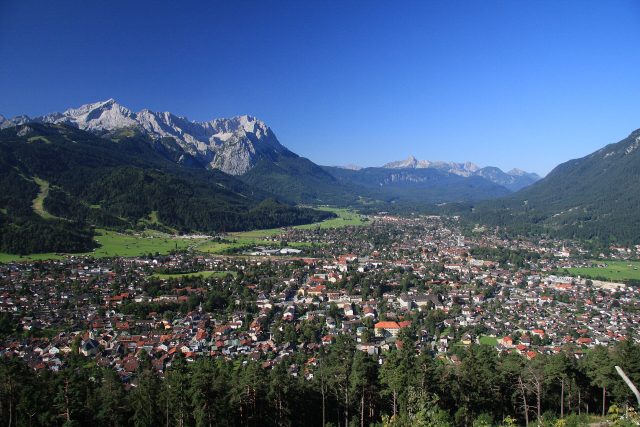
Photo: Chaoleonard, CC BY-SA 3.0
Port Antonio is one of those rare places in Jamaica where time moves at its own unhurried pace, and visitors still feel like they’ve stumbled upon something untouched. Tucked away on the island’s northeast coast, where the Blue Mountains roll gently into the Caribbean Sea, the town sits between emerald hills and quiet coves, their waters shifting from turquoise to deep blue depending on the light. There are no crowded resorts here, no relentless touts or polished tourist traps—just narrow streets lined with pastel-colored houses, fishing boats bobbing at the dock, and the sharp, sweet scent of fresh ginger drifting from the market stalls. It’s as if the town has paused somewhere in the last century, back when Jamaica was less about postcard perfection and more about living by the rhythm of the land and sea.
This wasn’t always a sleepy backwater. In the early 1900s, Port Antonio was the place to be, a playground for Hollywood’s elite who came seeking its wild beaches and untamed jungles. Errol Flynn, the swashbuckling actor, fell so hard for the place that he bought land here, turning the town into a chic retreat for the rich and famous. You can still catch glimpses of that era in the faded grandeur of old hotels where stars once stayed, or in the stories locals tell with a mix of pride and nostalgia about the days when Port Antonio was the height of Jamaican glamour. That golden age has faded, but that’s part of its charm—there’s no need to pretend this is paradise because, in its own quiet way, it already is.
What really draws people here is the landscape. Port Antonio is surrounded by some of the most breathtaking scenery on the island. There are waterfalls like Richmond and Somerset, where you can swim in cool, clear pools hidden beneath cascading water, and the Rio Grande, a river so serene that floating down it on a bamboo raft feels like stepping into another world. Then there’s the Blue Lagoon, a stretch of water so transparent it’s easy to see why people claim this is where *The Blue Lagoon* was filmed—though whether that’s true or just local legend, the color is undeniably magical, like liquid sapphire. Beyond the town, the hills are dotted with banana and coconut plantations, and the slopes of the Blue Mountains produce some of Jamaica’s finest coffee, which locals drink strong and sweet, the way it’s meant to be.
Life here moves at a different speed, closer to village time than anything else. Mornings start with the crow of roosters and the smell of fried fish sizzling in a pan, while evenings are for gathering at waterfront bars, where the hum of conversation mixes with the sound of waves and the occasional strum of a reggae tune. There’s no rush, no agenda—even visitors quickly fall into the rhythm. You could spend a day wandering the market, where vendors sell everything from fiery scotch bonnet peppers to handwoven baskets, or hire a boat to one of the tiny, empty islands just offshore. Or you could do nothing at all, sitting on the porch of a beachside shack with a rum punch in hand, watching the sunset paint the sky in shades of pink and gold.
This isn’t the Jamaica of all-inclusive resorts and crowded beaches. There are no nightclubs, no duty-free shops, no selfie sticks or tour groups marching in formation. What you’ll find instead is something far more rare: the chance to experience the island as it really is, beyond the brochures and the hype. It’s a place where you can lose yourself in the jungle, stumble upon a secluded stretch of sand, or simply while away an afternoon doing nothing at all. And that’s why people keep coming back—not for the thrills, but for the quiet certainty that here, time doesn’t just pass; it lingers.
Stay
0 placesNothing in this category yet — the catalogue is still growing.
All placesPlaces on the map
Marker colour follows the categoryClimate and weather
Detailed weather: Port Antonio- Average temperature
- 28 °C
- Precipitation per year
- 828 mm
- Sunshine hours per day
- 8.4 h
Average air temperature
°C
27
27
27
28
29
29
30
30
30
29
28
28
Jan
Feb
Mar
Apr
May
Jun
Jul
Aug
Sep
Oct
Nov
Dec