
Nyamata
Rwanda · 6 places
Photo: Diego Tirira from Quito, Ecuador, CC BY-SA 2.0
Nyamata is one of those quiet places that most travelers overlook, tucked away in southern Rwanda far from the usual tourist trails. There are no bustling markets, no towering skyscrapers, no ancient fortresses—just the unhurried rhythm of rural life, where red dirt roads wind past banana groves and conversations unfold slowly over cups of tea. This is Rwanda stripped of its postcard-perfect veneer, a place where the country’s everyday reality still feels untouched by the outside world.
The town is best known for its genocide memorial, a stark reminder of the violence that tore through Rwanda in 1994. The site doesn’t soften the truth or dress up the past; it stands as a raw testament to what happened here, preserving the remains of thousands who lost their lives. Visiting is an unsettling experience, one that forces you to confront the fragility of peace and the depths of human cruelty. But it also offers a glimpse of how Rwanda has rebuilt itself, not by forgetting, but by facing its history head-on.
Beyond the town, rolling green hills stretch out in every direction, covered in coffee and tea plantations that form the backbone of the local economy. The soil here is rich, and the crops are tended with care, whether it’s the delicate coffee cherries prized for their smooth flavor or the tea leaves that end up in Rwanda’s famous blends. If you’re lucky, you might see the entire process—from picking to drying—or even sample a freshly brewed cup right on the farm. The pace is slow, the work methodical, and there’s a quiet pride in how these fields sustain the community.
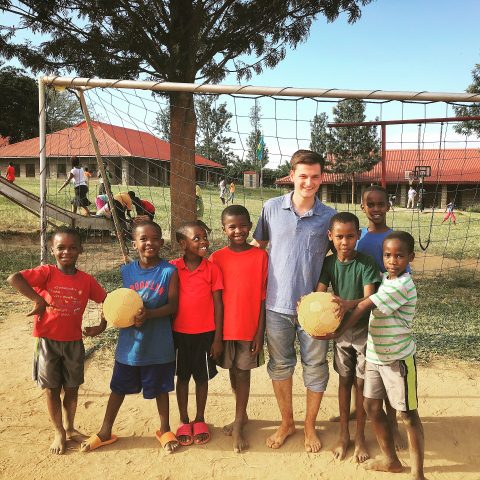
Life in Nyamata moves at its own unhurried pace. Mornings start with the crow of roosters and the hum of motorbikes ferrying people to work or school. By midday, women balance baskets on their heads as they walk home from the market, children kick soccer balls on dusty patches of ground, and elders sit outside their homes, watching the world go by. Evenings belong to families gathered around cooking fires, sharing simple meals and the day’s news. There’s no rush here, no sense of time slipping away—just the steady, unchanging rhythm of small-town life.
For those willing to look beyond Rwanda’s more famous sights, Nyamata offers something rare: a chance to see the country as its people do. There are no tourist traps, no performances put on for visitors—just the unfiltered reality of a place that has known both unimaginable pain and quiet resilience. The town doesn’t try to impress; it simply exists, carrying its past and its hopes in equal measure. And in that honesty, there’s a kind of power—one that lingers long after you’ve left.
See & Do
6 places
Places on the map
Marker colour follows the categoryClimate and weather
Detailed weather: Nyamata- Average temperature
- 21 °C
- Precipitation per year
- 1199 mm
Average air temperature
°C
21
21
21
21
21
22
22
23
22
21
20
21
Jan
Feb
Mar
Apr
May
Jun
Jul
Aug
Sep
Oct
Nov
Dec


