Nyamata is one of those quiet Rwandan towns that rarely appear on tourist maps. There are no markets, no ancient temples, no national parks—just the rhythm of daily life. Yet within this small community lies a place that carries the weight of a nation’s history. The Nyamata Stadium is not just a sports ground; it is a symbol, a silent witness to one of the darkest chapters in modern African history.
In 1994, Rwanda was shattered by genocide. Over the course of a hundred days, nearly a million people—mostly Tutsi, along with moderate Hutu—were killed. Nyamata, a town that had never stood out on the country’s map, found itself at the heart of the violence. The stadium, built in more peaceful times, became a refuge for thousands fleeing the massacres. What was meant to be a place for football matches and celebrations turned into a shelter where survival was uncertain, and the line between safety and danger blurred with every passing hour.
Today, the stadium looks much as it did decades ago. Its concrete stands encircle a simple football pitch. There are no grand memorials, no polished plaques—just the reality of a structure that served a purpose far beyond its original design. The absence of overt memorialization is striking. Unlike other sites of tragedy, Nyamata Stadium does not demand attention with elaborate displays. Instead, it invites quiet reflection.
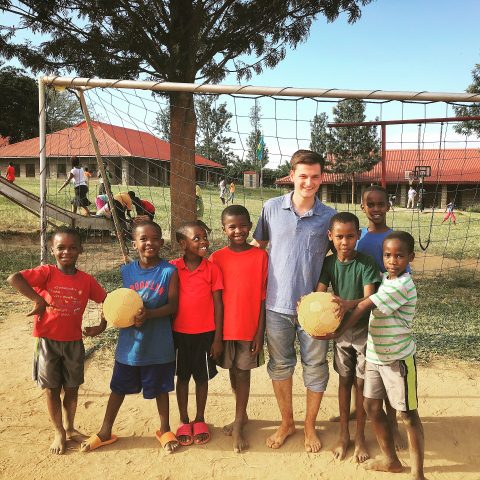
Life around the stadium continues. Children kick footballs across the same field where their parents or older siblings once hid in terror. Women sell fresh produce near the entrance. Men gather in small groups, sipping tea and discussing the day’s news. On the surface, past and present coexist. But beneath the ordinary routines, the scars remain. Many survivors still live in Nyamata, their stories passed down through generations. The stadium is no longer a place of refuge, but its history lingers in the memories of those who were there.
For Rwanda, places like Nyamata Stadium are part of the country’s collective identity. After the genocide, Rwanda chose reconciliation over division, turning sites of suffering into tools for education and remembrance. The stadium hosts memorial events, gatherings with survivors, and history lessons for schoolchildren. The government confronts the past openly, ensuring that the lessons of 1994 are not forgotten. Nyamata is one of many places where this commitment to memory takes shape through the persistence of everyday life.
Visiting Nyamata is not like visiting a typical tourist attraction. There are no guided tours, no informational signs detailing every event. Instead, there is the chance to speak with locals who may share their own experiences—or simply to stand on the field. This is not a place for those seeking entertainment or picturesque views. It is a place for those willing to confront the fragility of peace.
Nyamata itself is an unremarkable town. Life moves slowly. Yet the stadium serves as a reminder that even ordinary places can hold extraordinary stories. It has not been turned into a museum, nor has it been rebuilt. It remains what it always was—a sports ground where children now play, where survivors go about their lives, and where the past is never far away. Memory here lives in the people who continue to walk its grounds, who carry its stories forward, and who hope for a future different from the past.