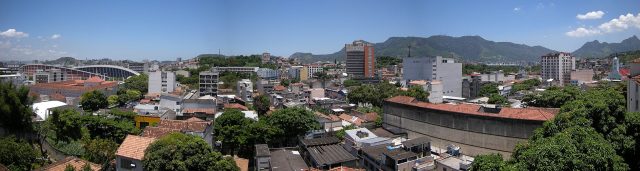
Muharraq
Bahrain · 8 places
Photo: Allan Donque, CC BY 2.0
Muharraq is where Bahrain’s story begins. Before Manama’s skyscrapers appeared along the coast, this small island city to the northeast was the country’s first capital. The shift happened decades ago, but Muharraq retains a quiet, enduring presence in its narrow lanes and coral-stone houses, pressed close together like secrets.
The city was once the center of Bahrain’s pearling trade, an industry that shaped the nation. In the 19th century, its harbor filled with dhows carrying pearls prized for their luster and purity. Divers worked in the depths, their efforts building fortunes that constructed the grand homes still standing today—some now museums. The waterfront, once crowded with boats, is quieter now, but the rhythm of life carries the weight of memory.
Modern Muharraq balances past and present. New neighborhoods with schools, cafes, and galleries sit alongside the historic center, while parks buzz with conversation. Pearl warehouses have become cultural spaces for festivals and art, and shipyards serve as open-air exhibits. The city doesn’t imitate others; it changes at its own pace, blending tradition with the new.
What stands out in Muharraq is its atmosphere. There’s no rush—just the cadence of daily life. Locals walk the corniche in the evening, pausing under ghaf trees, while the call to prayer sounds from minarets. Souqs glow with lanterns, cafes hum with voices, and the sea murmurs against the shore. Muharraq doesn’t demand attention; it lets you notice the details—the way light falls on coral walls at dusk or how cardamom coffee lingers in the air. For those who want to see Bahrain beyond its modern facade, this city offers a place where the past is still felt.
Stay
0 placesNothing in this category yet — the catalogue is still growing.
All placesPlaces on the map
Marker colour follows the categoryClimate and weather
Detailed weather: Muharraq- Average temperature
- 28 °C
- Precipitation per year
- 59 mm
- Sunshine hours per day
- 10.2 h
Average air temperature
°C
19
19
22
27
32
35
36
36
34
31
26
21
Jan
Feb
Mar
Apr
May
Jun
Jul
Aug
Sep
Oct
Nov
Dec