Mundu
Lake Chad · 6 places
Photo: Korom10, CC BY-SA 4.0
Mundu sits quietly on the southern edge of Chad, a place most travelers overlook—and that’s exactly what makes it worth knowing. There’s no crowd of tourists, no tour buses idling at the curb, no vendors pressing trinkets into your hands at every turn. Instead, the days move to the rhythm of the savanna, unhurried and uncluttered, as if time itself has settled into a slower pace. The city sprawls along the Logone River, wide and calm here, its muddy banks lined with papyrus where birds nest and morning mist lingers over the water like a half-remembered dream.
The heart of Mundu beats at its markets. The central bazaar isn’t just a place to buy things—it’s where the city breathes. You could spend hours there, not shopping, but watching: women balancing baskets of mangoes on their heads, men haggling over bolts of brightly dyed fabric, children darting between stalls with handfuls of peanuts. No one rushes. Deals are struck with laughter and stories, not urgency. The best time to visit is during the rainy season, when farmers from the surrounding villages bring their harvests to town. The air thickens with the scent of spices, fresh bread, and smoked fish, and the market becomes something closer to a living theater, each stall its own small act.
Beyond the city, the savanna stretches in every direction. Wildlife still moves through these lands—antelope, giraffe, even the occasional elephant, though their numbers have dwindled. Locals head out at dawn to hunt or fish, and in the evenings, they gather around fires to tell stories of the spirits that wander the plains and the ancient tribes who once called this place home. The Logone River isn’t just a water source; it’s where traditions come alive. During the Fishermen’s Festival, the banks glow with bonfires, pots of fresh fish stew bubble over open flames, and drummers keep time as young men and women dance late into the night.
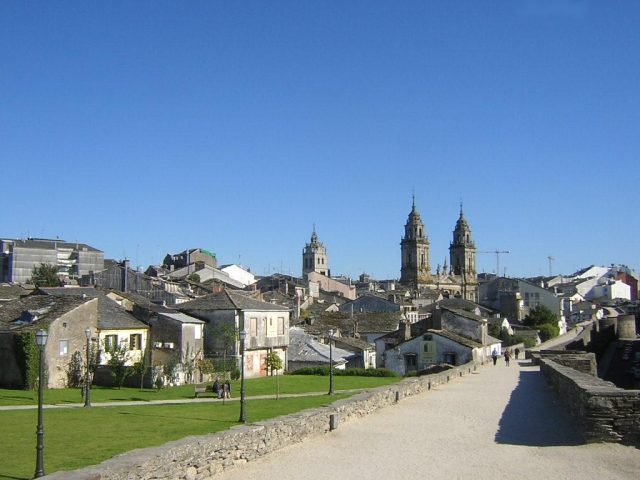
The buildings in Mundu are simple, built for purpose rather than beauty. Most are made of sun-baked clay, their flat roofs designed to deflect the worst of the heat. A few colonial-era structures still stand in the center, but they don’t demand attention—they’ve been absorbed into the city’s rhythm, their walls dusty, their shutters weathered. There are no grand hotels here, just small guesthouses where the beds are firm, the windows open to the breeze, and the mornings start with the sound of roosters and the smell of woodsmoke.
This isn’t a place for those who crave luxury or constant entertainment. Mundu doesn’t offer much in the way of distractions, and that’s the point. What it does offer is a glimpse of Chad as it is, not as it’s packaged for outsiders. The savanna’s silence, the steady work of the fields, the way the stars seem to hang lower here—these are the things that stay with you. If you’re looking for a city that moves to its own time, where life unfolds without pretense, Mundu might be the quiet discovery you didn’t know you were searching for.
Stay
0 placesNothing in this category yet — the catalogue is still growing.
All placesPlaces on the map
Marker colour follows the categoryClimate and weather
Detailed weather: Mundu- Average temperature
- 29 °C
- Precipitation per year
- 944 mm
Average air temperature
°C
27
29
33
33
31
28
27
26
26
28
28
27
Jan
Feb
Mar
Apr
May
Jun
Jul
Aug
Sep
Oct
Nov
Dec