Mombasa
Kenya · 9 places
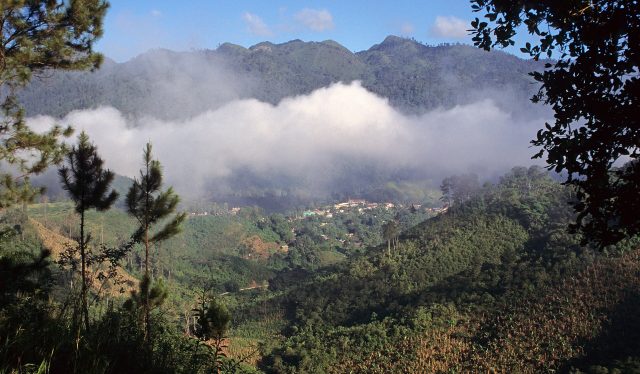
Photo: Victor Ochieng, CC BY-SA 2.0
Mombasa
Mombasa is where Africa meets the ocean. The past lingers in the salt-tinged air. Unlike Nairobi, this city moves to a slower rhythm, shaped by trade, conquest, and the tide. The streets hold stories—of Arab dhows carrying spices, Portuguese forts standing against time, and Swahili merchants bargaining over ivory and gold. It’s a port, a crossroads where history isn’t preserved but lived, day after day, by those who call it home.
The Old Town is where the city breathes. Narrow alleys carry the scent of cardamom and grilled fish. Wooden balconies overhang, their carvings smoothed by generations of hands. Minarets rise above rooftops, their calls mixing with gulls and children weaving between stalls. Markets here don’t just sell souvenirs. Mangoes pile high, kangas hang in bright stacks, and vendors offer hand-carved ebony—though fewer buy it now. You don’t visit this place. You wander, letting the city pull you deeper.
Mombasa isn’t frozen in time. The port, one of East Africa’s busiest, never stops. Container ships dot the horizon. Fishing boats unload at dawn. Ferries shuttle passengers to nearby islands. Along the coast, beaches curve in long arcs of white sand. Palm trees sway. Taarab music drifts from open-air bars. By evening, the seafront stirs—vendors grill octopus over charcoal, kids fly kites, couples walk along the water as the sky turns gold.
The air is warm, thick with humidity, but the ocean breeze cools it. When rain comes, it falls hard and fast, leaving streets glistening. The people—Swahili, Arab, Indian, African—move with ease. They switch languages mid-sentence, their talk full of proverbs and laughter. There’s no rush. Life here is meant to be savored, one slow moment at a time.
The roads jam with traffic. Markets overwhelm. The gap between wealth and poverty is wide. But that’s part of it. Mombasa isn’t a postcard. It’s a place where life unfolds on its own terms—messy, unapologetic. Stay a week, and you’ll barely scratch the surface. Stay a month, and you’ll still find more. The city doesn’t give itself away at once. It asks for patience, curiosity, a willingness to let go. If you do, it might let you in.
Eat & Drink
1 place
Places on the map
Marker colour follows the categoryClimate and weather
Detailed weather: Mombasa- Average temperature
- 27 °C
- Precipitation per year
- 1026 mm
Average air temperature
°C
28
28
29
28
27
26
25
25
26
27
28
28
Jan
Feb
Mar
Apr
May
Jun
Jul
Aug
Sep
Oct
Nov
Dec