- Home
- United States
- Moab
Moab
United States · 7 places
Photo: G. Edward Johnson, CC BY 4.0
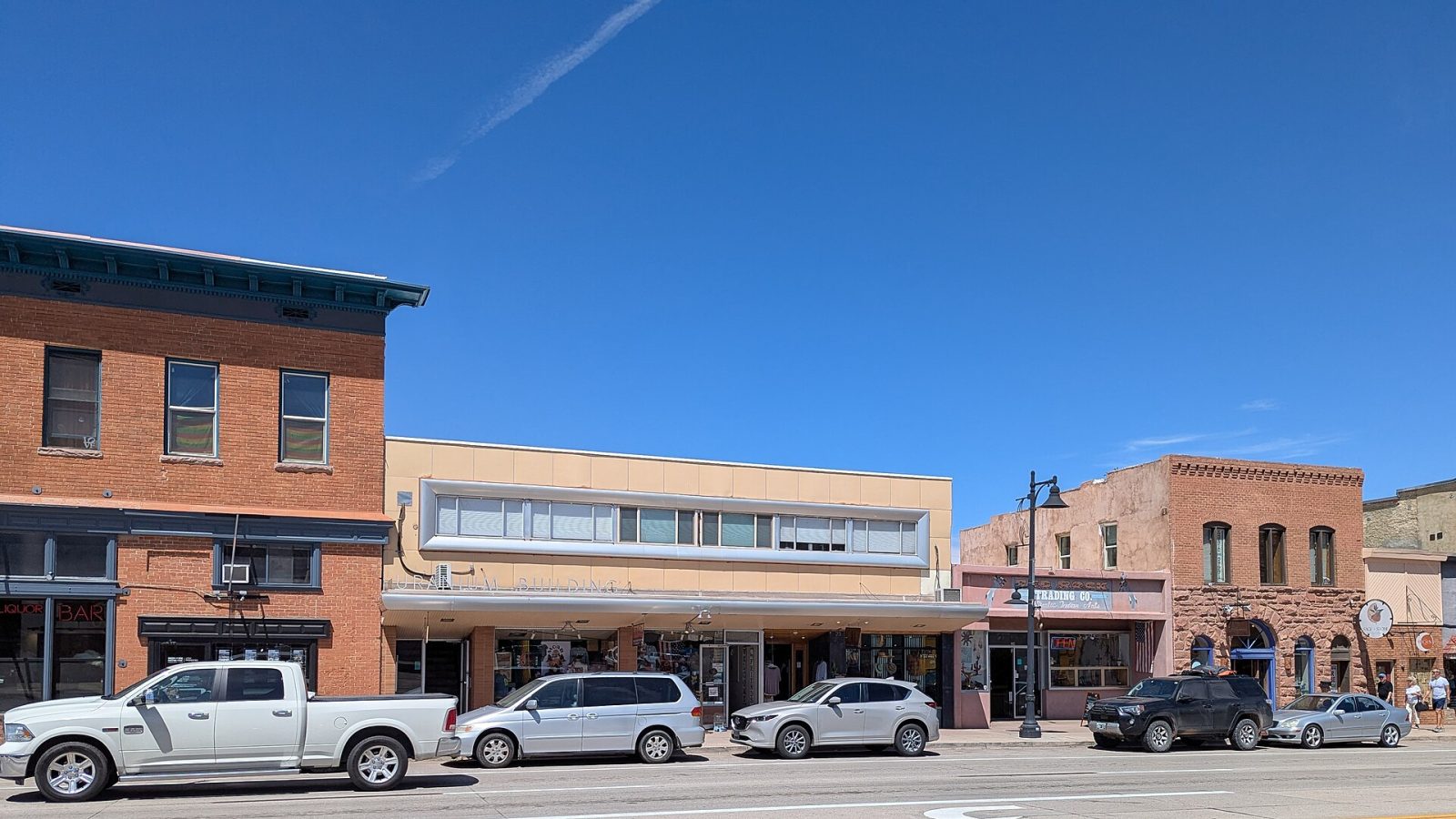
Moab feels like a place that time forgot, a town carved into the red rock heart of Utah where the desert meets the mountains and the air carries the scent of sagebrush and sunbaked stone. It’s small—just a few thousand people call it home—but it pulses with a quiet energy, drawing travelers who come not for luxury resorts or crowded boardwalks, but for the raw, untamed landscapes that surround it. The streets are lined with low-slung buildings made of sandstone, their facades weathered by decades of wind and sun. There are no skyscrapers here, no neon signs competing for attention. Instead, you’ll find cafes serving strong coffee and hearty breakfasts, gear shops stocked with everything from climbing ropes to trail maps, and a pace of life that moves with the rhythm of the desert.
The real reason people come to Moab, though, lies just beyond the town limits. Arches National Park is the crown jewel, a surreal landscape where wind and water have sculpted the earth into hundreds of natural stone arches, the most famous being Delicate Arch—a slender, freestanding curve of rock that has become an icon of the American West. Then there’s Canyonlands, a vast and rugged expanse where the Colorado and Green Rivers have sliced through the earth, carving deep canyons and towering mesas. The scale of it is hard to grasp until you’re standing at the edge of a cliff, looking down at a river winding through layers of ancient rock. These parks aren’t just for sightseers; they’re playgrounds for adventurers. The trails here range from easy strolls to multi-day backpacking treks, and the whitewater rapids of the Colorado offer some of the best rafting in the country. Mountain bikers flock to the Slickrock Trail, a rollercoaster of sandstone that tests even the most skilled riders, while off-road enthusiasts tackle the infamous Hell’s Revenge, a maze of slickrock domes and steep ledges.
Life in Moab moves to the beat of the seasons. Summers are scorching, with temperatures often climbing into the triple digits, so locals and visitors alike rise early to beat the heat, hitting the trails at dawn when the light is soft and the air still cool. Winters are quieter, with a dusting of snow transforming the red rocks into something almost otherworldly, though the town never truly sleeps—hardcore adventurers still come to snowmobile through the backcountry or simply soak in the silence of a landscape blanketed in white. Spring and fall are the sweet spots, when the weather is mild and the desert comes alive with wildflowers or the fiery hues of autumn. It’s during these seasons that Moab feels most alive, with Main Street buzzing with tourists swapping stories over craft beer and live music spilling out of the local bars.
The people who live here are a mix of old-timers and transplants, many of whom came for the adventure and stayed for the way of life. They’re friendly but not overly familiar, the kind of folks who’ll nod at you on the street or offer a tip about the best time to hike a certain trail, but who also value their space. There’s a sense that Moab isn’t trying to be anything other than what it is—a gateway to some of the most stunning landscapes in the country, a place where the wildness of the desert is always just a step away. It doesn’t cater to tourists in the way some destinations do; there’s no forced charm or manufactured excitement. Instead, it offers something rarer: a chance to step outside the noise of modern life and into a world where the land dictates the rhythm.
If you find yourself here, don’t rush through. Take a moment to wander down Main Street, pop into the small museum to learn about the area’s geology and history, or just sit on a bench and watch the sunset paint the cliffs in shades of orange and gold. Moab doesn’t reveal itself all at once. It takes time to appreciate the way the light changes over the rocks, the silence of a canyon at dusk, or the thrill of standing on a narrow ledge with nothing but empty space below. For those who give it a chance, it’s the kind of place that lingers in your memory long after you’ve left, a reminder of the quiet power of the natural world.
Eat & Drink
0 placesNothing in this category yet — the catalogue is still growing.
All placesPlaces on the map
Marker colour follows the categoryClimate and weather
Detailed weather: Moab- Average temperature
- 13 °C
- Precipitation per year
- 199 mm
Average air temperature
°C
-2
2
7
12
17
24
28
26
21
12
5
-1
Jan
Feb
Mar
Apr
May
Jun
Jul
Aug
Sep
Oct
Nov
Dec