
Mahébourg
Mauritius · 5 places
Photo: Anne97432, CC BY-SA 1.0
Mahebourg feels like one of Mauritius’s best-kept secrets—a place where time moves at its own unhurried pace, and the island’s rhythms aren’t drowned out by tourist crowds. Tucked along the southeastern coast, where the Indian Ocean meets gentle hills draped in sugarcane and palm trees, the town has a quiet, unassuming charm. There are no towering resorts or packed beaches here, just a scattering of low, brightly painted houses, fishing boats bobbing near the shore, and the ever-present scent of salt mingling with spices drifting from nearby plantations. It’s as if the town is waiting for something, though it seems perfectly content to simply exist in its own slow, steady way.
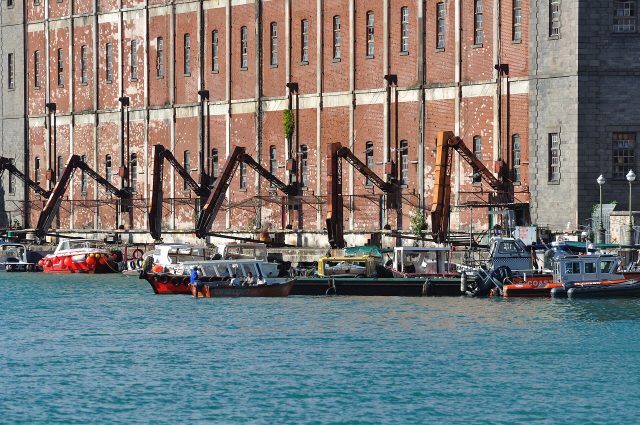
History lingers in Mahebourg’s streets, a reminder of Mauritius’s colonial past. This was where French settlers first landed in the early 18th century, establishing a fort and port that became a vital stop for ships traveling between Europe and Asia. Today, the old stone warehouses by the harbor—once used to store sugar, vanilla, and rum—still stand, along with a few well-preserved Creole-style mansions. The local museum offers a glimpse into that era, with artifacts like antique maps, household items, and even cannons that once defended the coast from pirates. But the real legacy of those times isn’t just in the buildings; it’s in the atmosphere of the narrow streets, where every corner seems to hold a story.
Life in Mahebourg revolves around the ocean. Each morning, fishermen set out in their vivid wooden boats, returning with the day’s catch, which they sell straight from the shore or in small, no-frills eateries. There are no Michelin-starred restaurants here, just simple, flavorful meals made from the freshest fish—grilled over coals with lemon and chili, simmered in coconut milk with vegetables, or baked in banana leaves. Along the waterfront, modest snack stalls serve piping-hot flatbreads stuffed with spiced tuna, the perfect bite after a swim. If you’re lucky, you might even see locals preparing *vindaye*, a traditional dish of fish marinated in turmeric, mustard, and vinegar, its tangy aroma filling the air.
The beaches here aren’t the wide, powdery stretches found in the north, but they have their own understated beauty. Instead of rows of sun loungers, you’ll find long stretches of sand shaded by casuarina trees and quiet coves where you can sit for hours, watching the waves roll in. The water is clear but not always calm—the ocean sets the rules, and swimming is best in sheltered lagoons or during high tide. Yet this is where you truly feel the power of the Indian Ocean, especially during storms, when waves crash dramatically against the rocks and salt spray drifts onto the promenade. Snorkelers will find coral reefs just offshore, teeming with colorful fish, and if you’re fortunate, you might spot a sea turtle gliding through the water.
Beyond the town, nature takes center stage. A short drive south leads to La Vanille Nature Park, where giant Aldabra tortoises roam freely, and enclosures house rare birds and lemurs. Nearby, the Vallée de Ferney offers lush tropical forests crisscrossed by hiking trails and dotted with small waterfalls. Head north, and you’ll reach the village of Souillac, known for its tea and vanilla plantations, where workers in wide-brimmed hats move slowly between rows of bushes, the air thick with the sweet scent of vanilla pods.
Mahebourg isn’t a place you visit for entertainment—it’s where you come to experience something real. There are no manufactured attractions here, just the steady pulse of everyday life. Mornings begin with the cries of seagulls and the sound of waves, while the market buzzes with vendors’ voices during the day. By evening, the waterfront glows under the soft light of streetlamps, their reflections dancing on the dark water. It’s the kind of place where you can sit on the shore, sip tea sweetened with local honey, and watch the sunset paint the sky in shades of pink and gold. In moments like these, you realize that Mauritius isn’t just about luxury resorts—it’s also about quiet corners where the island’s true spirit comes alive.
See & Do
5 places

Places on the map
Marker colour follows the categoryClimate and weather
Detailed weather: Mahébourg- Average temperature
- 25 °C
- Precipitation per year
- 1751 mm
- Sunshine hours per day
- 6.6 h
Average air temperature
°C
27
27
27
26
25
23
22
22
23
24
25
27
Jan
Feb
Mar
Apr
May
Jun
Jul
Aug
Sep
Oct
Nov
Dec


