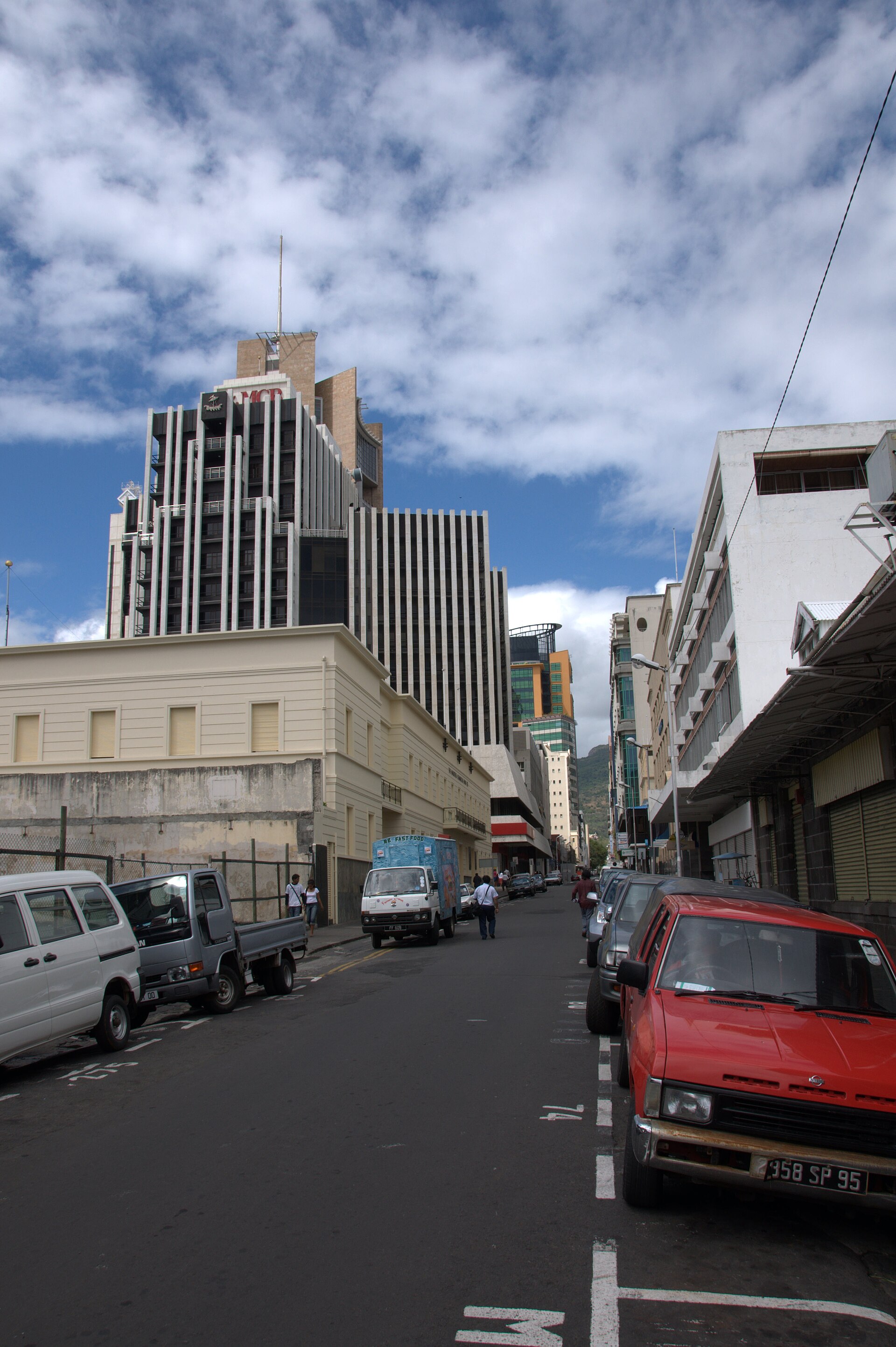
Mahébourg Market stands where the island’s past and daily routines meet. It’s by the waterfront, steps from old colonial buildings and the harbor where fishing boats still dock. The market isn’t polished—it’s a little scuffed, but that’s why it feels real. Stalls spill into the streets, and the air smells of spices, fresh fish, and salt from the sea.
No one knows exactly how long the market’s been here. Mahébourg started in the early 1800s, when the French chose its sheltered bay for trade and naval posts. The market grew with the town, becoming a place where farmers, fishermen, and craftspeople sold their goods. People from across the island brought their flavors and traditions, and the market absorbed them all. Today, it’s still a working market, not a tourist show.
Walk through, and you’ll see the layout hasn’t changed. The covered center is where most of the activity is—vegetables, tropical fruits, dried fish, and homemade pickles. The produce often has dirt on it, proof it came from the fields that morning. Around the edges, stalls sell spices in bulk: turmeric, cinnamon, and the small, hot chilies common in Mauritian food. Sometimes, a vendor grinds spices right there, filling the air with their scent.
In a quieter corner, textile sellers stack bolts of bright fabric. Some have patterns for saris or kurtas; others are plain, meant for everyday use. Mauritius once produced textiles by hand, and though factories took over, the market still shows traces of that craft. Nearby, women make baskets from vacoa leaves, a skill passed down through generations. These baskets are sturdy, used for groceries or storage.
The fish section shows the market’s tie to the sea. Early mornings bring piles of tuna, dorado, and small silver vacoas, often grilled whole. The fishermen who sell here are usually the ones who caught the fish before dawn. By midday, the selection shrinks, but the energy stays. Locals bargain, vendors shout deals, and tourists try to pick a fish to take home.
Beyond food, the market sells the small things that keep Mahébourg running. Stalls offer cheap sandals, phone chargers, and knockoff sunglasses—items travel guides ignore but locals need. You can buy coconut water straight from the shell or dholl puri, the fried flatbread stuffed with split peas. These aren’t restaurant dishes; they’re what people eat on the go, standing by a stall or sitting by the harbor.
The market changes as the day goes. Mornings are busy, with vendors setting up and shoppers stocking up. By late afternoon, the crowds leave, and the pace slows. The light softens, shadows stretch, and the heat eases into a breeze from the water. This is when the market feels like part of the town, not just a place to shop but a spot to linger.
The older vendors, who’ve been here for decades, might share a cup of tea. The younger ones pack up, already thinking about tomorrow.
Mahébourg Market isn’t special because of what it sells. It’s special because it’s part of the town’s life. It’s not a museum or a staged experience—it’s grown with the people who use it. The buildings around it tell their own stories: colonial warehouses, old shop facades, newer concrete structures. Together, they create a place that feels both old and new. For visitors, the market offers a way to step into Mauritian life, even briefly. It doesn’t ask for attention, but if you pay it, it’ll show you the layers that make this island what it is.