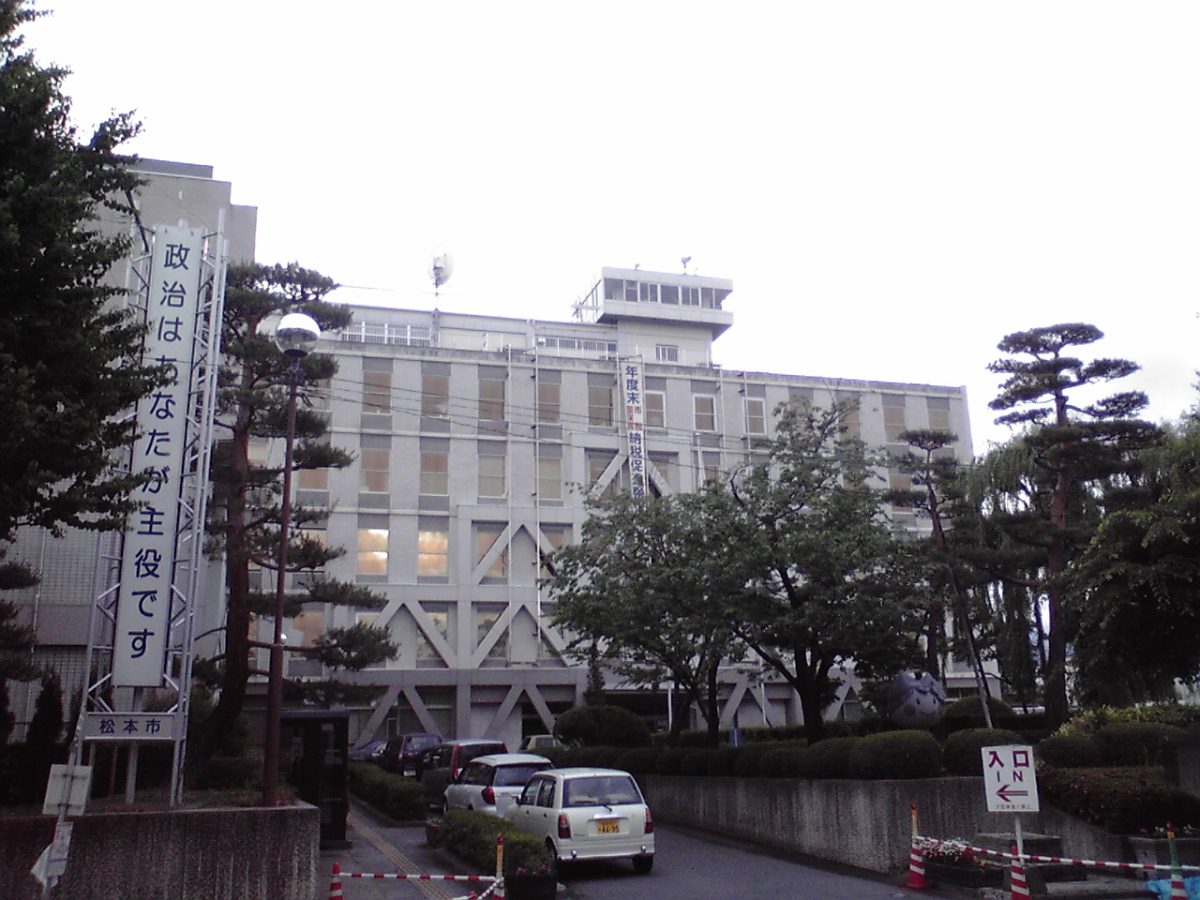
Matsumoto
Japan · 3 places
Photo: Miyuki Meinaka, Public domain
Matsumoto feels like stepping into a woodblock print—quiet streets lined with low wooden houses, mountains looming on the horizon, and air that carries the scent of rain and pine. Tucked in the heart of Honshu, surrounded by the Japanese Alps, the city moves at its own unhurried pace, far from the rush of Tokyo or the tourist crowds of Kyoto. The Alps here aren’t towering like their European namesakes, but their slopes are no less striking—dusted with snow in winter, lush and green in summer, always framing the town in a way that makes you pause. The Metoba River cuts through the center, its gentle current mirroring the rhythm of life here: steady, unhurried, content to let the days unfold as they will.
At the heart of Matsumoto stands its crow-black castle, one of Japan’s most beautiful and well-preserved feudal fortresses. The nickname "Crow Castle" comes from its dark walls, which stand out against the white snow in winter and the vibrant greenery in summer. It’s not just a museum piece; climbing the steep staircases inside, you can almost hear the echoes of samurai plotting strategy, and from the top floor, the view of the city and mountains beyond feels like the same one feudal lords once admired. The castle grounds transform with the seasons—cherry blossoms in spring, fiery maple leaves in autumn, and summer festivals where traditional dances and drumming fill the air, bringing the old stone walls to life.
Art and craftsmanship are woven into the fabric of everyday life here. Matsumoto is home to one of Japan’s oldest lacquerware schools, where artisans create delicate pieces inlaid with gold and mother-of-pearl, their work displayed in local galleries alongside contemporary art inspired by the region’s landscapes and traditions. Music, too, has a place in the city’s soul—a symphony orchestra, open-air jazz performances in summer, and the quiet hum of creativity that lingers in the air. Nearby, the Utagawa Naoki Museum celebrates the work of a painter who captured the quiet beauty of rural Japan, a reminder that this town has long been a source of inspiration.
Life in Matsumoto is slow but full. Mornings often begin at the market, where farmers from the surrounding villages sell fresh vegetables, mushrooms, and fruit, and fishermen offer trout pulled from nearby rivers that same morning. The Nawate district, with its preserved wooden facades and carved details, feels like a step back in time, while small cafés serve steaming bowls of soba noodles and local craft beer. By evening, the streets grow quiet, but the glow of lanterns reflects off the river, and the scent of grilled meat drifts from street stalls. There’s no need for Matsumoto to impress—it simply exists, comfortable in its own skin, and that’s what makes it special.
Winter turns the town into something out of a storybook. Snow blankets rooftops and tree branches, and the mountains seem to draw closer, their peaks sharp against the sky. Skiers and snowboarders flock to the nearby resorts, but even if you’re not chasing adrenaline, the season has its own magic—sipping hot sake in a cozy restaurant, watching snowflakes drift past the window. Summer, by contrast, is all warmth and color, fields bursting with flowers and nights so clear the stars feel close enough to touch. No matter the season, Matsumoto has a way of making time feel tangible, like a river you can step into and let carry you along.
Stay
0 placesNothing in this category yet — the catalogue is still growing.
All placesPlaces on the map
Marker colour follows the categoryClimate and weather
Detailed weather: Matsumoto- Average temperature
- 13 °C
- Precipitation per year
- 1175 mm
Average air temperature
°C
1
2
6
12
17
21
25
26
22
14
9
3
Jan
Feb
Mar
Apr
May
Jun
Jul
Aug
Sep
Oct
Nov
Dec


