Criciúma
Brazil · 5 places
Photo: Wikimedia Commons, CC BY 2.0
Criciúma sits quietly in Brazil’s southern reaches, a place most travelers overlook in favor of louder, more famous destinations. That’s precisely what makes it worth knowing. This is a city where the hum of industry blends with the quiet rustle of eucalyptus trees, where coal mines stand near rolling green hills, and where streets lined with pastel-colored houses tell stories of a different kind of Brazil—one shaped by European hands but rooted in the country’s own soil. Founded in the late 1800s by Italian, German, and Polish immigrants, Criciúma still carries the echoes of its past in the way people speak, the food they eat, and the way they build their homes. It’s not a place where Brazil tries to be something else; it’s where Europe and South America meet without fanfare, creating something entirely its own.
What stands out most here isn’t a grand cathedral or a towering monument, but the people. The descendants of those early settlers have held onto their traditions with quiet pride, and it shows in the way the city moves. On Sundays, the main square often fills with music—accordion-driven polkas, lively tarantellas, or the occasional mazurka—while families gather to eat dishes you won’t find on menus in Rio or São Paulo. There are hearty sausages made the old-country way, pumpkin pastries dusted with cinnamon, pierogi stuffed with cheese, and even sauerkraut, a taste of home for those whose ancestors crossed an ocean for a new life. The pace is slower here, unhurried in a way that feels almost foreign in a country known for its energy. Conversations stretch over cups of strong coffee, and no one seems in a rush to end them.
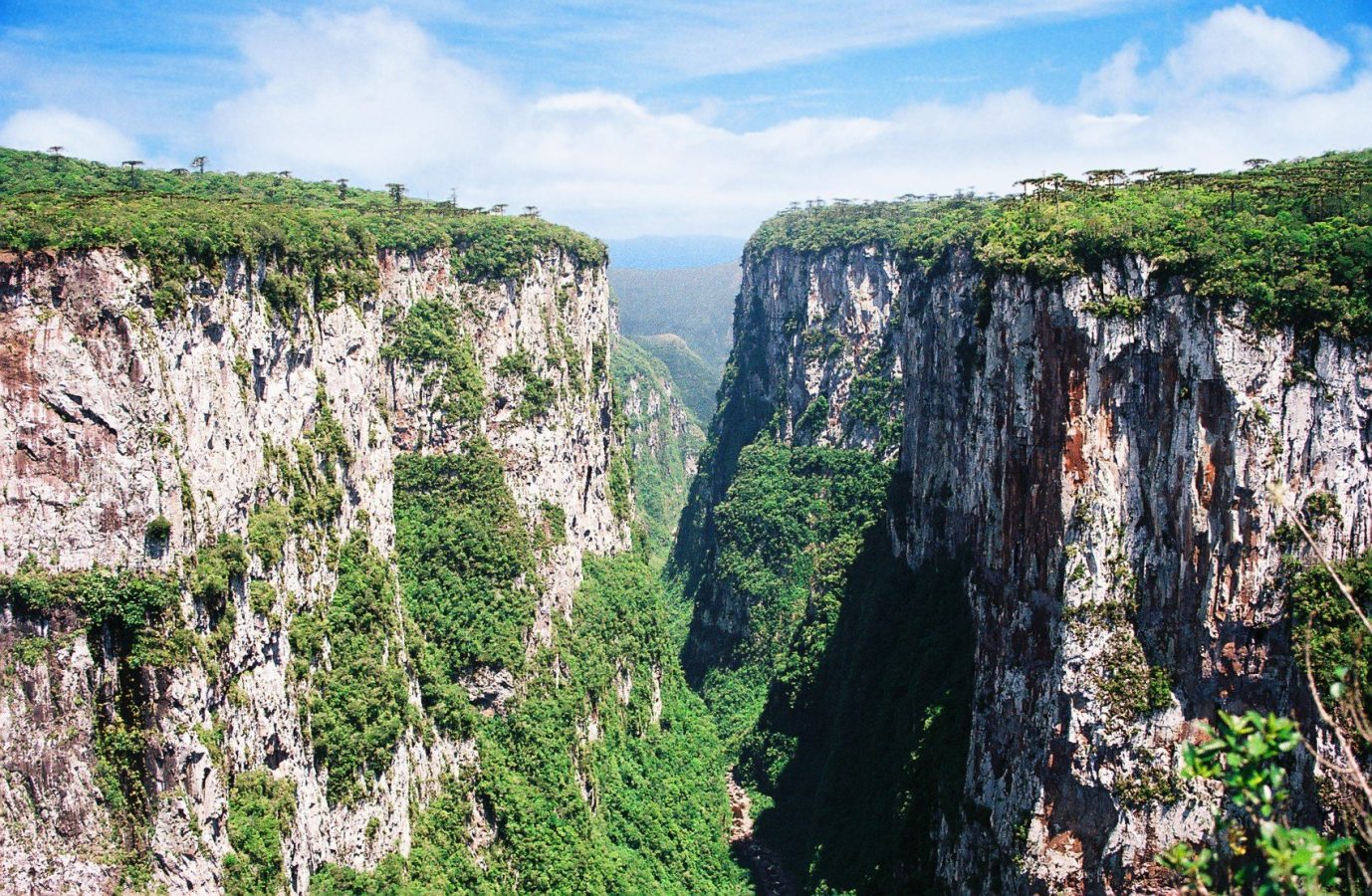
Nature feels close in Criciúma, though the Atlantic coast is just a half-hour drive away. The hills around the city are thick with forest, where toucans dart between branches and small monkeys chatter in the canopy. Locals often escape to waterfalls hidden in the greenery or follow old railway lines that once carried coal from the mines. In recent years, a few eco-trails and private reserves have opened, offering a chance to walk among bromeliads and orchids or spot a rare maned wolf if you’re lucky. It’s not the kind of wilderness that makes headlines, but it’s real, untamed in its own way, and all the more rewarding for those who take the time to explore it.
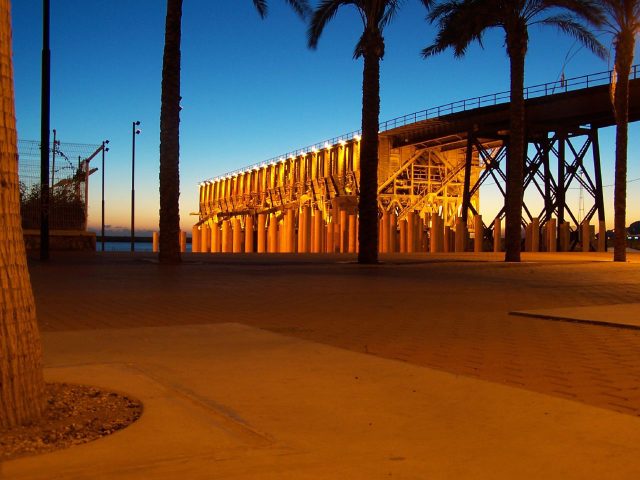
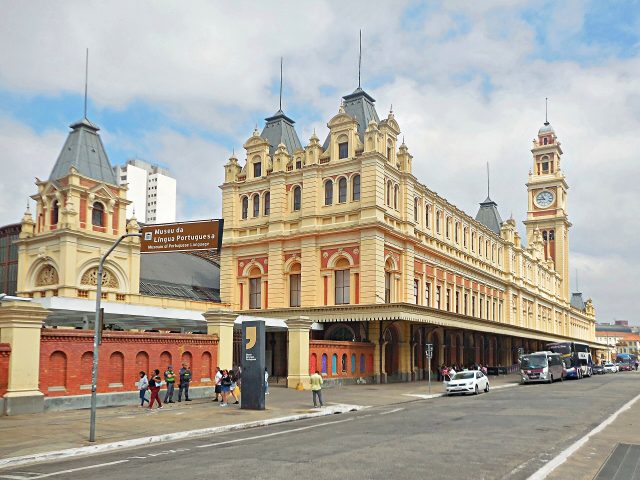
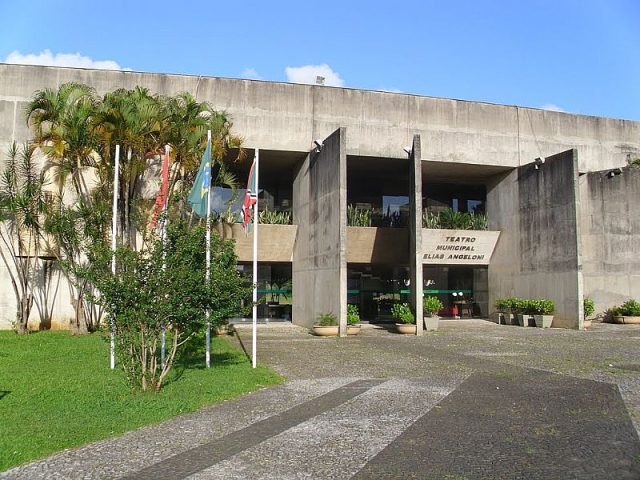
For a city built on industry, Criciúma has a surprising amount of soul. The downtown area still holds a handful of early 20th-century buildings, their facades worn but dignified, and the local museum does a good job of telling the story of coal—how it shaped the region, powered its growth, and left its mark on the land. There’s a small theater, too, where plays and concerts take place, and in the evenings, musicians gather by the riverfront to play bossa nova or samba, the notes drifting over the water. The city doesn’t pretend to be a cultural hub, but it doesn’t need to be. What it offers instead is something rarer: a sense of place, warm and unpolished, like an old photograph that hasn’t faded with time.
This isn’t the kind of destination that promises luxury or nonstop excitement. The hotels are modest, often family-run, and the best meals are served in no-frills cafés where recipes have been passed down for generations. The streets aren’t designed for tourists; they’re made for people who live here, which means they’re perfect for wandering without a plan. There’s no pressure to see or do anything in particular, just the quiet invitation to step into a rhythm that feels older than the city itself. In a country where so much is about spectacle, Criciúma is refreshingly ordinary—and that’s exactly why it lingers in the memory. It doesn’t try to impress; it simply is, and that’s enough.
See & Do
5 places
Places on the map
Marker colour follows the categoryClimate and weather
Detailed weather: Criciúma- Average temperature
- 20 °C
- Precipitation per year
- 1787 mm
Average air temperature
°C
24
24
24
21
18
16
15
16
19
19
21
23
Jan
Feb
Mar
Apr
May
Jun
Jul
Aug
Sep
Oct
Nov
Dec