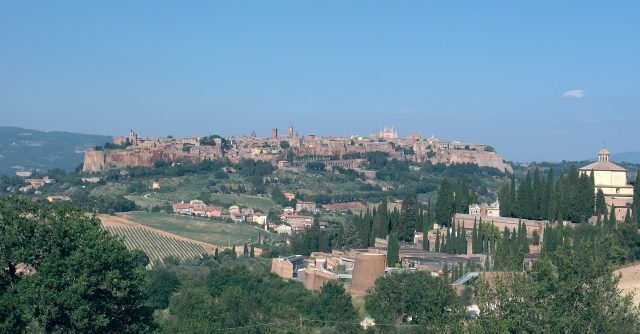
Kolomyia
Ukraine · 8 places
Photo: Ennkko, CC BY-SA 4.0
Kolomeya
Kolomeya is the kind of place you might miss if you’re speeding along the highway toward western Ukraine. Turn off the main road, though, and it greets you with stillness. The city has no rush, no hum of a big city, though its history runs deep.
First mentioned in the thirteenth century, when these lands were part of the Galicia-Volhynia principality, Kolomeya later became a trading post between Europe and the East. Over the centuries, it shifted between Polish rule, the Austro-Hungarian Empire, and Ukrainian sovereignty. Each era left its mark on the architecture, the language, and daily life.
The Pysanka Museum is the heart of the city’s identity. Kolomeya is considered the capital of Hutsul egg painting, so the museum feels like a natural fit. The building is shaped like a giant decorated egg, and inside, the collection holds hundreds of pysanky from across Ukraine and beyond. Each egg has patterns and meanings tied to traditions. The museum also covers Hutsul culture—crafts, clothing, and live music during festivals. If you visit during an event, you might hear folk songs or the trembita, the long wooden horn used in the Carpathians.
The city is small enough to explore on foot in an afternoon.
Renaissance Square is the center, where the town hall and old merchant houses still stand. St. Ignatius Loyola Church, built in the early twentieth century, and St. Michael’s Church, which has stood for centuries, offer quiet spots. The streets around the square are narrow, lined with low houses under tiled roofs. Life here moves slowly. In summer, elderly locals sit on benches, while children play in the cobblestone streets. In winter, snow covers the town, but smoke from chimneys shows that life continues.
Kolomeya is also a starting point for trips into the Carpathians. Nearby mountain villages keep old traditions alive. People cook banosh over open fires, weave wool, and play music passed down through generations. In the city, workshops produce traditional instruments, embroider linens, and paint ceramics. Artisans often let visitors watch or even try the craft themselves.
Kolomeya isn’t stuck in the past. The local theater puts on Ukrainian plays, libraries host author readings, and summer concerts fill the square with music. Cafés serve varenyky and borscht alongside modern dishes. Shops sell handmade goods—embroidered shirts, wooden toys.
What makes Kolomeya special isn’t any single attraction. It’s the way it feels—slower, more genuine. There are no flashy signs or tourist traps, just people, buildings, and traditions that have endured. When it’s time to leave, you might wish you could stay longer.
Stay
0 placesNothing in this category yet — the catalogue is still growing.
All placesPlaces on the map
Marker colour follows the categoryClimate and weather
Detailed weather: Kolomyia- Average temperature
- 10 °C
- Precipitation per year
- 613 mm
- Sunshine hours per day
- 5.8 h
Average air temperature
°C
-1
1
5
11
15
20
21
21
16
10
4
1
Jan
Feb
Mar
Apr
May
Jun
Jul
Aug
Sep
Oct
Nov
Dec