
Curepipe
Mauritius · 5 places
Photo: mwanasimba from La Réunion, CC BY-SA 2.0
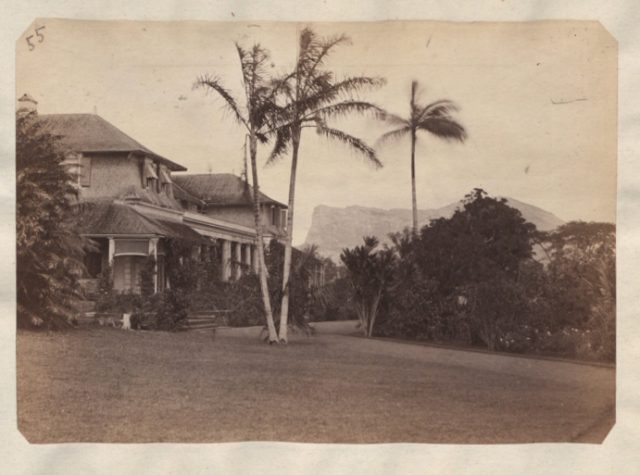
Nestled in the heart of Mauritius, Curepipe feels like a quiet secret tucked away from the island’s more famous shores. The town sits high among rolling hills, where the air carries the scent of damp earth and distant spices, and the pace of life slows to match the rustle of palm leaves. There are no crowded beaches here, no resort chains or tourist traps—just narrow streets lined with old wooden houses, their shutters painted in faded blues and greens, and gardens overflowing with frangipani and bougainvillea. It’s the kind of place where time seems to have settled into the cracks of the pavement, where the past lingers in the way locals greet each other with a smile and a nod, as if they’ve known one another for generations.
Curepipe has long been the island’s cultural heartbeat, a town where craftsmanship is still passed down like a well-kept family recipe. In the workshops scattered around the center, artisans shape wood into delicate figurines, weave baskets from palm leaves, and carve the sleek hulls of traditional fishing boats. The weekly market is a sensory overload in the best way—piles of golden turmeric, deep red chili powders, and bundles of vanilla pods compete for attention, while the sharp, sweet aroma of fresh lychees and pineapples hangs in the air. It’s here that you realize Mauritius isn’t just about postcard-perfect beaches; it’s about the hands that grow, build, and create, often unseen but deeply felt.
The hills surrounding Curepipe offer some of the island’s most rewarding walks, where the reward isn’t just the view but the journey itself. One of the most popular trails leads to Tamarin Falls, a series of cascading pools hidden in the lush greenery. The hike is steep in places, but the cool water at the end makes every step worth it. Nearby, the tea plantations stretch across the slopes like a patchwork quilt, their neat rows of bushes swaying in the breeze. Visitors can wander through the fields, watching as workers pluck the tender leaves, their fingers moving with practiced ease. Many plantations offer tastings, and there’s something deeply satisfying about sipping a cup of freshly brewed tea while looking out over the endless green—especially when you know it was grown just a few steps away.
Life in Curepipe moves to its own rhythm, unhurried and unpretentious. Mornings begin with the clatter of market stalls being set up, the chatter of vendors arranging their wares—brightly colored fabrics, handmade jewelry, and baskets of just-picked vegetables. By midday, the streets grow quiet as the heat settles in, and locals retreat to shaded verandas or small cafés, where the conversation flows as easily as the tea. Evenings bring a different kind of energy, especially on weekends, when impromptu gatherings spill onto the squares. Musicians might strike up a sega tune, its infectious beat drawing people in, or a group of dancers will perform in the glow of streetlights, their movements fluid and full of history. It’s not a show put on for tourists; it’s simply life unfolding, and if you’re lucky enough to stumble upon it, you’ll understand why the town feels so alive.
What makes Curepipe truly special is the way it weaves together the many threads of Mauritius’ identity. The town is a living tapestry of cultures—Indian, African, Chinese, and European influences are visible in the architecture, the food, even the way people speak. The Hindu temple of Gokula, with its vibrant statues and intricate carvings, stands as a testament to the island’s Indian heritage, while the Catholic Church of the Sacred Heart, with its striking modern design, offers a quiet contrast. The local cuisine reflects this blend too, whether it’s a steaming bowl of biryani, a plate of fried dumplings, or a simple but perfect cup of spiced tea. Walking through Curepipe is like flipping through the pages of a history book, except here, the stories are told not in words but in the way a street curves around a centuries-old banyan tree, or in the laughter of children playing in a courtyard. It’s a place where the past isn’t just remembered—it’s still being lived.
See & Do
5 places



Places on the map
Marker colour follows the categoryClimate and weather
Detailed weather: Curepipe- Average temperature
- 22 °C
- Precipitation per year
- 1864 mm
- Sunshine hours per day
- 7.2 h
Average air temperature
°C
24
24
24
24
22
20
19
19
19
21
22
24
Jan
Feb
Mar
Apr
May
Jun
Jul
Aug
Sep
Oct
Nov
Dec


