Curepipe is one of those places where the air feels different—cooler, crisper, as if the island has taken a deep breath and settled into a quieter rhythm. It sits high in the hills of Mauritius, far from the coastal resorts and the hum of beachside nightlife. Here, the landscape is softer, draped in mist some mornings, with volcanic craters lurking in the distance like ancient secrets. And yet, just a short drive from the town’s sleepy streets, there’s a place where the wild side of the island still thrives, untamed and full of surprises. La Vanille Nature Park is one of those rare spots where you can step out of time, not into some manicured garden or staged wildlife encounter, but into a slice of the real Mauritius—the one that existed long before hotels and cruise ships.
The park isn’t what you’d expect from a typical tourist attraction. There are no flashy signs or crowded walkways, no souvenir stalls hawking plastic trinkets. Instead, it feels like stumbling upon a private estate, one that’s been carefully tended but never tamed. The entrance is unassuming, tucked away along a narrow road lined with towering bamboo and the occasional rustle of unseen creatures. Once inside, the path winds through dense, damp forest, the kind that smells of earth and rain even on dry days. The trees here are old, their roots twisting above the ground like veins, and the air is thick with the calls of birds you’ve probably never heard before. It’s the sort of place where you half-expect to turn a corner and find yourself in another century.
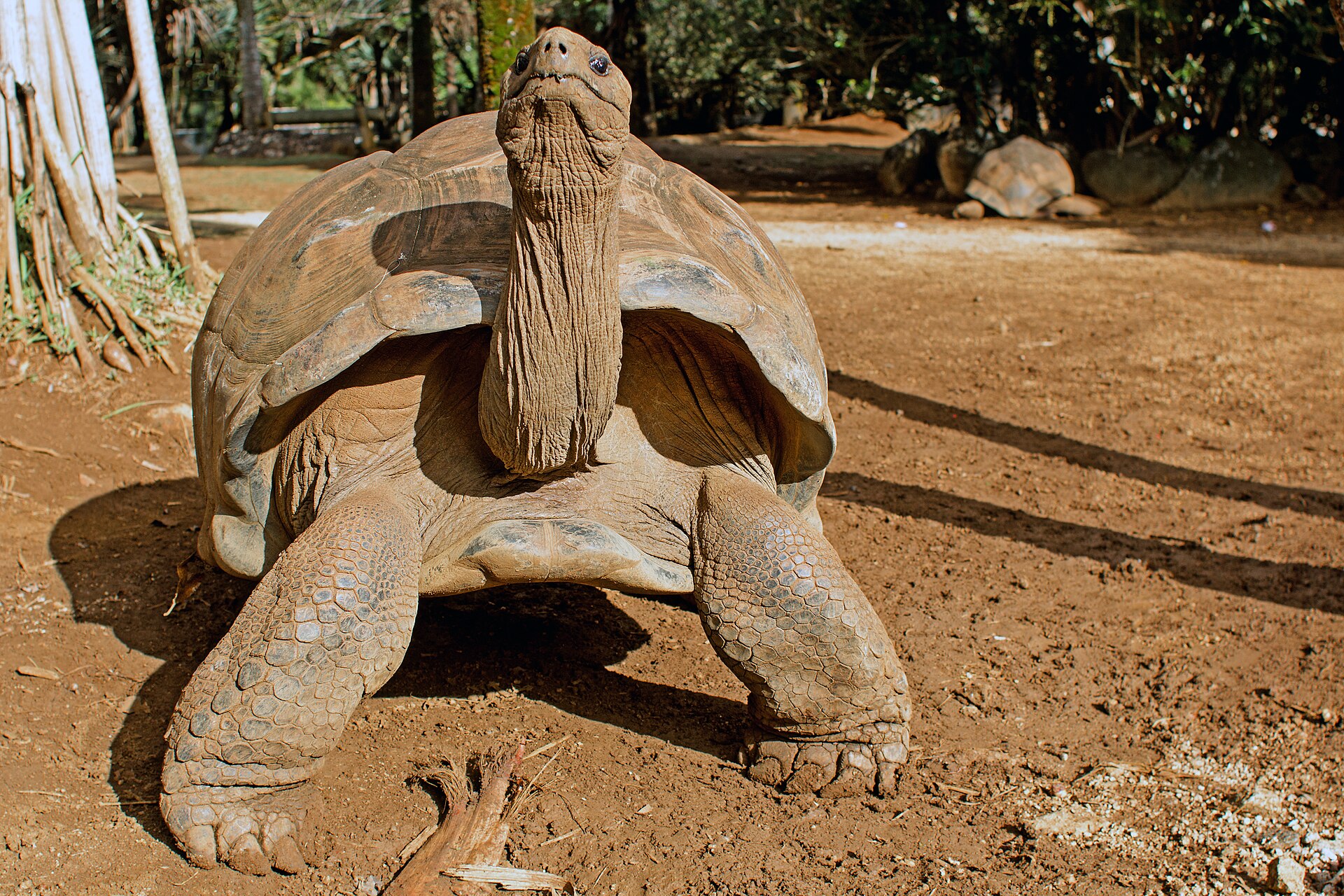
At the heart of La Vanille is its most famous resident: the giant tortoise. Not the small, shy creatures you might find on other islands, but massive, slow-moving giants that have been around since long before humans set foot on Mauritius. Some of them are over a hundred years old, their shells worn smooth by time, their eyes knowing and unhurried. They lumber through the park’s enclosures with the confidence of beings who have seen empires rise and fall, completely indifferent to the visitors who crouch down to take their photos. Watching them is oddly humbling—these are animals that have outlived generations, that carry the weight of centuries in their deliberate, plodding steps. The park has done a good job of giving them space, with large, naturalistic enclosures that mimic their original habitat. You won’t find them performing tricks or posing for selfies; they simply exist, as they have for millennia, and that’s enough.
But the tortoises are only part of the story. La Vanille is also home to one of the world’s largest collections of Nile crocodiles, a fact that might come as a surprise to those who associate Mauritius only with beaches and palm trees. The crocodile park is a separate section, a series of ponds and shaded enclosures where these ancient predators laze in the sun or slip silently into the water. There’s something mesmerizing about seeing them up close—their stillness, the way their eyes follow you without moving their heads, the sheer power coiled beneath their armored skin. The park doesn’t sensationalize them; there are no dramatic feeding shows or gimmicks. Instead, it offers a quiet, respectful look at creatures that have remained virtually unchanged since the age of the dinosaurs. For those who’ve only seen crocodiles in documentaries, it’s a rare chance to observe them in a setting that feels both natural and carefully managed.
Beyond the animals, the park is a living museum of Mauritian flora. The paths meander through groves of rare plants, some native, some introduced over centuries by settlers and sailors. There are towering bamboo stands that creak in the wind, their hollow stems amplifying the sounds of the forest. There are vanilla orchids, their delicate vines clinging to trees, a nod to the park’s name and the island’s colonial past. The vanilla industry was once a major part of Mauritius’ economy, though today it’s a niche crop, overshadowed by sugar and tourism. Still, the orchids here are a reminder of how deeply the island’s identity is tied to the land—and how easily that connection can be forgotten. The park does a good job of highlighting these details, with small, unobtrusive signs that explain the significance of the plants without turning the experience into a lecture.
One of the most unexpected parts of La Vanille is the insectarium, a dimly lit space filled with glass cases displaying some of the island’s most fascinating—and often overlooked—creatures. Mauritius is home to a surprising variety of insects, many of them found nowhere else in the world. Here, you can see giant stick insects that look like twigs come to life, their bodies so perfectly camouflaged that you might miss them entirely if not for the labels. There are beetles with iridescent shells that shimmer like jewels, and moths with wings patterned like stained glass. The collection is small but carefully curated, a reminder that even in a place as small as Mauritius, biodiversity thrives in the most unexpected corners. It’s the kind of exhibit that makes you slow down, peer a little closer, and appreciate the tiny worlds that exist alongside our own.
The park’s layout encourages wandering, with paths that loop back on themselves and hidden clearings where you can sit for a while. There’s a small café near the entrance, a simple affair with wooden tables and the smell of coffee brewing, where you can take a break and watch the tortoises amble by. The staff are unobtrusive but knowledgeable, happy to answer questions if you ask, but otherwise leaving you to explore at your own pace. It’s the kind of place where you might spend an hour or half a day, depending on how much you want to linger. There’s no rush, no itinerary to follow—just the quiet rhythm of the forest and the occasional rustle of leaves as something unseen moves through the undergrowth.
La Vanille isn’t the kind of attraction that makes it onto every tourist’s must-see list, and that’s part of its charm. It doesn’t offer the postcard-perfect views of Mauritius’ beaches or the adrenaline rush of water sports. Instead, it offers something rarer: a chance to step off the well-trodden path and experience a side of the island that most visitors never see. It’s a place where nature isn’t just a backdrop but the main event, where the past feels tangible in the slow, steady presence of the tortoises and the ancient stillness of the crocodiles. For those willing to venture beyond the resorts and the coastal roads, it’s a reminder that Mauritius is more than just a tropical getaway—it’s a place with depth, with history, with a wild heart that still beats beneath the surface.