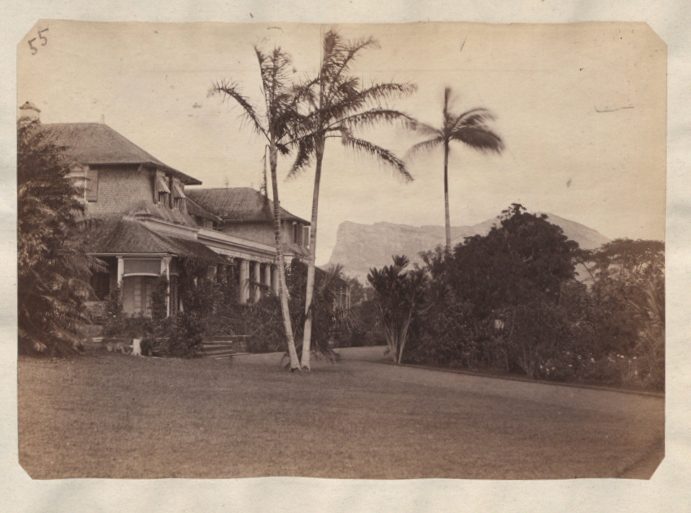
The Indian Cultural Centre in Curepipe is one of those places where the past feels alive, not as a relic behind glass, but as something still shaping the present. Mauritius has always been a crossroads of cultures, and nowhere is that more evident than here, where the island’s Indian heritage is preserved with quiet dignity. The centre isn’t a museum in the traditional sense—it’s more like a living archive, a space where history isn’t just displayed but actively remembered through music, dance, language, and the everyday rituals that have traveled across oceans.
The building itself is unassuming, tucked away on a quiet street in Curepipe, a town known more for its cool highland air than for grand monuments. Yet its architecture carries subtle echoes of the subcontinent. The low, whitewashed structure with its arched windows and tiled roof might not stand out at first glance, but the details reveal its purpose. Inside, the walls are lined with photographs, documents, and artifacts that trace the journey of Indian indentured laborers who arrived in Mauritius in the 19th century. These weren’t just workers; they were the foundation of modern Mauritian society, bringing with them traditions that would take root and flourish in this new land.
What makes the centre special is how it frames this history—not as something distant or exotic, but as part of the island’s everyday life. The exhibits don’t just show the hardships of the past; they also celebrate the resilience and creativity of a community that rebuilt its identity far from home. You’ll find everything from handwritten letters sent back to India to tools used in the sugarcane fields, each item telling a story of adaptation. The centre also hosts workshops where visitors can learn about traditional Indian crafts, from intricate henna designs to the delicate art of rangoli, the colorful patterns drawn at doorsteps during festivals.
Beyond the exhibits, the centre is a hub for cultural events that keep these traditions alive. During festivals like Diwali or Maha Shivaratri, the space comes alive with music, dance, and the scent of incense. The sound of the tabla and sitar fills the air, and the rhythms feel both familiar and new, a reminder of how deeply Indian culture has woven itself into the fabric of Mauritius. Even if you visit on an ordinary day, you might stumble upon a rehearsal for a classical dance performance or a group of students practicing Hindi calligraphy. The centre isn’t just preserving the past; it’s ensuring that these traditions continue to evolve.
For many Mauritians of Indian descent, the centre is a place of connection—a way to maintain ties to a heritage that might otherwise fade with time. But it’s also a space that welcomes everyone, regardless of background. Mauritius is a country where people of African, European, Chinese, and Indian descent have lived side by side for generations, and the Indian Cultural Centre reflects that diversity. The stories here aren’t just about India; they’re about Mauritius itself, about how different cultures have shaped and been shaped by this island.
Curepipe, with its colonial-era buildings and misty highland climate, might seem an unlikely setting for such a centre. The town has its own history, once a retreat for the island’s elite during the hot summer months. Yet it’s fitting that the Indian Cultural Centre found its home here. The cool air and quiet streets create a contemplative atmosphere, as if the town itself is a pause in the island’s bustling life, a place where reflection comes naturally. Walking through the centre, you get the sense that history isn’t something confined to books; it’s something you can feel in the air, in the way people speak, in the way they move.
The centre also serves as a reminder of how Mauritius has embraced its multicultural identity. The Indian community here isn’t an isolated group; it’s part of the island’s broader story. You’ll see this in the way Mauritian Creole has absorbed words from Hindi, in the way Indian spices have become essential to local cuisine, in the way festivals from different cultures are celebrated side by side. The Indian Cultural Centre doesn’t just look backward; it helps visitors understand how these traditions have become part of the island’s living culture.
If you’re visiting Mauritius and want to understand what makes the island unique, this is a place worth spending time in. It’s not about grand displays or dramatic narratives; it’s about the quiet, everyday ways in which people carry their history with them. Whether you’re drawn by curiosity, heritage, or simply the desire to see how cultures blend and endure, the centre offers a glimpse into the soul of Mauritius—one that’s as much about the future as it is about the past.