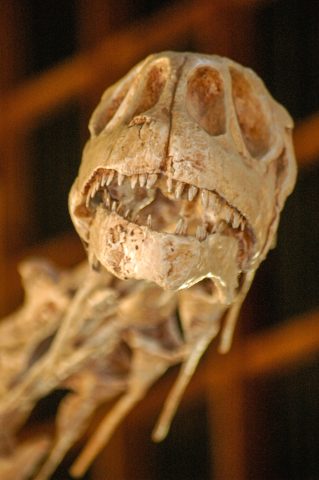
Karonga sits quietly on the northern shores of Lake Malawi, a place where time moves at its own unhurried pace. The past isn’t just remembered here—it lingers in the air, in the dust of old trade routes, in the weathered facades of buildings that have seen generations come and go. The Cultural & Museum Centre Karonga is one of those rare places where history isn’t confined to glass cases or neatly labeled displays. Instead, it unfolds like a story, one that invites you to step inside rather than just observe from a distance.
The centre wasn’t built to be a conventional museum. Its purpose runs deeper: to preserve the layers of history that have shaped this corner of Africa, often overlooked in broader narratives. Karonga and its surroundings have yielded discoveries that challenge long-held assumptions about human history. Fossilized remains of early hominids, some dating back millions of years, have been unearthed here, along with traces of some of the continent’s earliest settlements. These findings have forced scholars to reconsider old theories—this region, once thought to be little more than a transit point, was in fact a place where people lived, thrived, and evolved long before they ventured elsewhere.
The building itself is unassuming, designed with both climate and tradition in mind. Thick walls keep the heat at bay, while large windows allow natural light to play across the exhibits, casting shifting shadows that make the artifacts feel almost alive. Inside, there’s no rigid chronological order. Instead, the space feels like a journey through time, where one era bleeds into the next without clear boundaries. Stone tools, pottery, and everyday objects from nearby excavations are displayed with a quiet dignity. Some pieces look so simple they could have been made yesterday, yet that simplicity is precisely what makes them profound. They serve as a reminder that human needs—food, shelter, connection—haven’t changed as much as we might think.
Trade has always been at the heart of Karonga’s story. For centuries, the town was a crossroads where caravans carrying ivory, gold, and later, enslaved people passed through. The museum holds objects that traveled vast distances: beads from India, Chinese ceramics, European coins. These items aren’t just relics of commerce; they tell a story of adaptation. Local artisans absorbed new techniques—weaving, metalwork—but gave them their own distinct character. A piece of fabric might incorporate foreign dyes or patterns, yet the final product remains unmistakably rooted in the region’s traditions.
The colonial era is presented without judgment, letting the facts speak for themselves. Photographs, documents, and personal belongings from that time paint a picture of a community navigating profound change. One exhibit features a replica of a treaty between local chiefs and British officials, its pages bearing signatures in different scripts. It’s a small but powerful symbol of two worlds colliding, each struggling to understand the other. The museum doesn’t shy away from the complexities of this period, but it doesn’t sensationalize them either. Instead, it offers a space to reflect on how history shapes the present.
Yet the centre isn’t just about the past. It’s a living institution, one that bridges history and contemporary life. Local artisans regularly hold workshops where visitors can try their hand at traditional crafts—weaving baskets, shaping clay, or spinning thread. There’s something unexpectedly grounding about molding a pot with your own hands or learning the rhythm of a loom. In a world where so much is mass-produced, these skills feel like a quiet rebellion, a way of holding onto something real. For many, it’s a revelation to see how these crafts, passed down through generations, remain relevant even today.
The centre’s work extends far beyond its walls. Staff collaborate closely with the local community, documenting oral histories, collecting everyday objects, and preserving traditions that might otherwise fade away. Their archives hold recordings of songs, folktales, and personal stories that were once shared only by word of mouth. This effort isn’t just for researchers—it’s for the people of Karonga, especially the younger generation, who may not have heard these stories from their elders. By making them accessible, the centre helps keep the community’s collective memory alive.
What makes the Cultural & Museum Centre Karonga special is its refusal to sanitize history. There are no flashy displays or gimmicks here, just a quiet commitment to authenticity. The exhibits feel raw, unpolished, and all the more powerful for it. Each artifact, each photograph, each story is a piece of a larger puzzle, one that reveals how deeply the past and present are intertwined in this part of the world. You leave with the sense that history isn’t something that happened long ago—it’s happening right now, in the way people live, work, and remember.
Karonga isn’t a destination for those seeking grand adventures or instant gratification. It’s a place to pause, to listen, to understand how much history can be packed into even the most unassuming corners of the earth. The Cultural & Museum Centre isn’t just a stop on a tourist itinerary—it’s a place where stories that might otherwise be forgotten are given a voice. And perhaps that’s why it matters so much. It reminds us that every place has a memory, and if we don’t take the time to preserve it, that memory will slip away, lost to time.