Mundu-Novu
Brazil · 1 place
Photo: GajAmérica, CC BY-SA 4.0
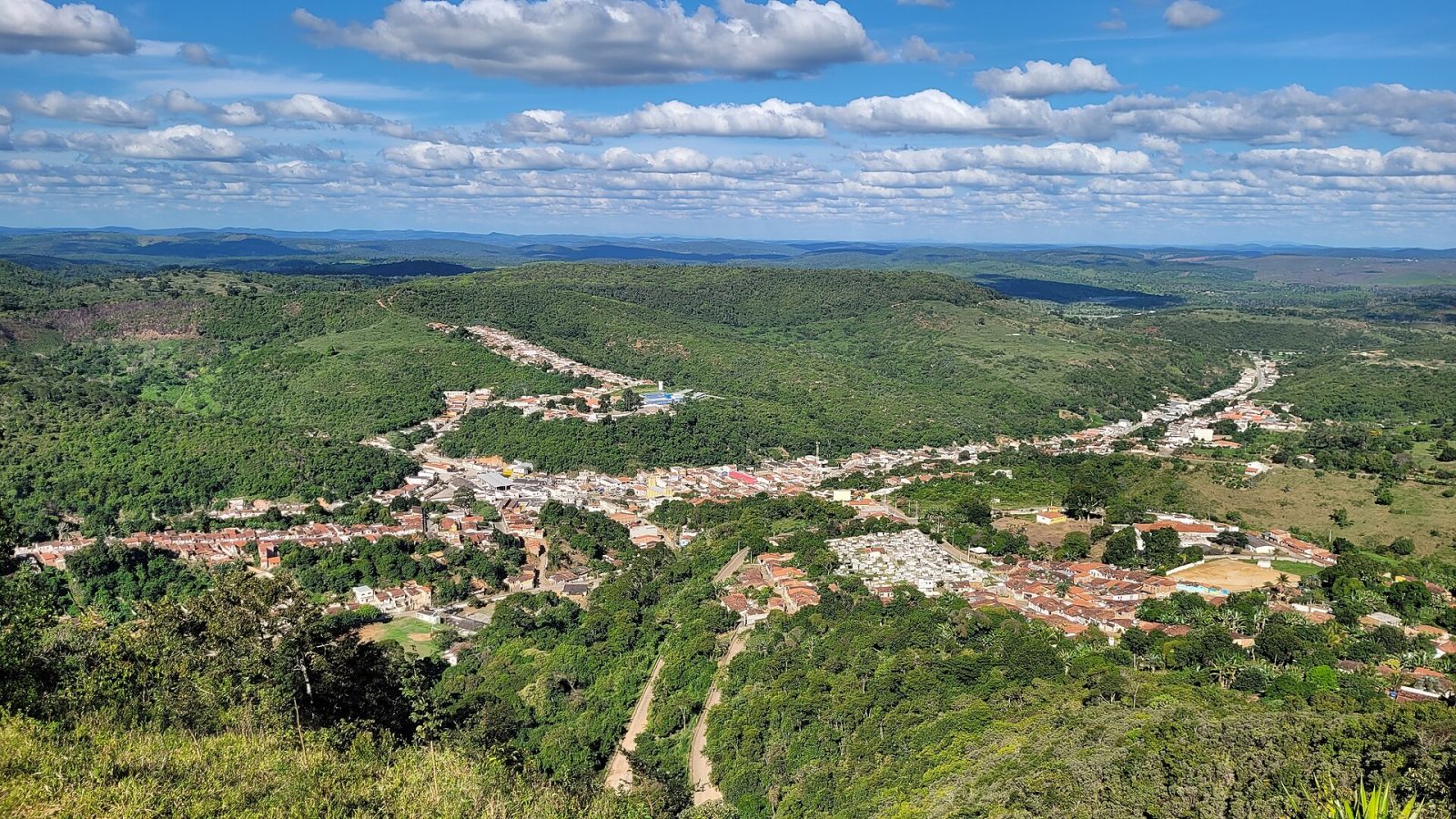
Mundo Novo sits where the Paraguay River slows to a quiet murmur, a small town in western Brazil that moves at the pace of the water itself. There’s no rush here, no blare of traffic or crowds jostling for space. Instead, palm-lined streets curve gently toward the riverbank, where the day unfolds in small, unhurried moments—an old man mending a fishing net, a group of women chatting over coffee beneath the shade of mango trees, the occasional rumble of a bus arriving from Cuiabá, its passengers stepping down as if emerging from another era. The town feels suspended in time, a place where the past lingers in the way people live, work, and speak to one another.
Life here follows the rhythm of the land and the river. Mornings begin with the squawk of parrots and the scent of fresh bread drifting from bakeries, while evenings bring a mist that rises over the water, blurring the reflections of lamplight on the surface. Most of the townspeople are descendants of Indigenous communities and settlers from other parts of Brazil, their days shaped by fishing, farming, and the small trades that keep the town running. The market is where you’ll find the real pulse of Mundo Novo—not as a tourist attraction, but as a place where people buy what they need: freshly caught fish, mangoes still warm from the sun, woven baskets, and clay pots shaped by hands that have done the same work for generations. There’s no performance here, no curated charm, just the quiet satisfaction of things made and shared.
Beyond the town, the wild takes over. Mundo Novo is a gateway to the Pantanal, one of the world’s great wetlands, where the landscape shifts with the seasons—flooded one moment, parched the next. Caimans sun themselves on riverbanks, capybaras graze in the shallows, and birds of every color and size fill the air with sound. Local guides offer boat trips and jeep excursions, but you don’t need a tour to feel the pull of this place. Walk a few kilometers from town, and the world narrows to the rustle of reeds, the cry of a heron, the slow drift of a canoe. Time here isn’t measured in hours, but in the rise and fall of the water, the migration of birds, the cycle of the rains.
For all its remoteness, Mundo Novo has its own traditions. The town still celebrates festivals tied to the agricultural calendar, where music played on homemade instruments carries the weight of generations. There’s a small museum with exhibits on the region’s history, but the best stories come from the people themselves. They’ll tell you how they’ve lived through floods, how they fish when the river swells, and why they still leave offerings for the spirit of the water. These aren’t tales meant for outsiders; they’re the kind of knowledge passed down quietly, over cups of sweet coffee or while mending a net by the river.
This isn’t a place for those who need luxury or convenience. There are no high-end hotels, no restaurants with menus in multiple languages, no souvenir shops hawking mass-produced trinkets. What Mundo Novo offers instead is something harder to find: a sense of realness. The kind of place where a stranger might invite you into their home for a meal, where the air smells of earth and woodsmoke, where the night sky is so clear you can trace the constellations with your finger. It doesn’t try to impress, and that’s precisely why it does. Here, Brazil isn’t a postcard or a performance—it’s just life, unfolding as it always has, on its own terms.
See & Do
All of them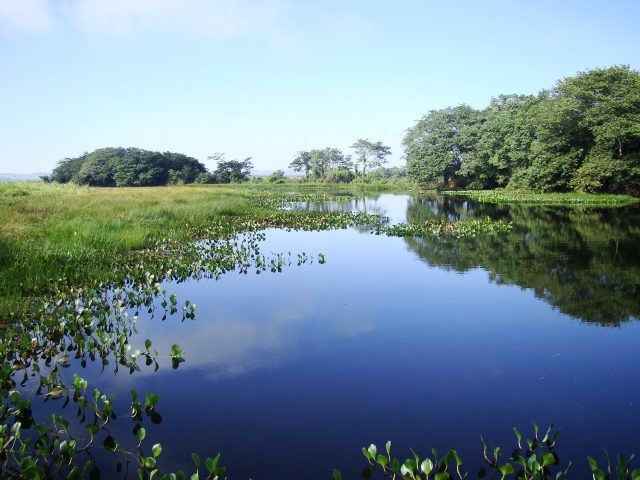
Places on the map
Marker colour follows the categoryClimate and weather
Detailed weather: Mundu-Novu- Average temperature
- 24 °C
- Precipitation per year
- 1687 mm
- Sunshine hours per day
- 7.5 h
Average air temperature
°C
27
27
26
23
21
19
19
20
24
25
26
27
Jan
Feb
Mar
Apr
May
Jun
Jul
Aug
Sep
Oct
Nov
Dec


