
Karachi Lake
Pakistan · 8 places
Photo: Bilalhassan88, CC BY-SA 3.0
Karachi sits where the Arabian Sea meets the edge of the subcontinent, a city where the ocean’s salt tang mingles with the scent of spices, diesel fumes, and the damp musk of a working port. The streets twist unpredictably—narrowing into shadowy alleys between crumbling buildings, then bursting open into vast squares where crowds surge in every direction. Motorbikes weave through traffic like fish through a current, horns blaring, yet somehow the chaos has its own rhythm. Spend enough time here, and you’ll start to sense the logic beneath the surface, the unspoken rules that keep this city moving.
As Pakistan’s largest metropolis and its economic engine, Karachi thrives on motion. The port handles the bulk of the country’s trade, its docks stacked with containers bound for distant markets. The city’s bazaars are a maze of commerce—stalls overflowing with handwoven silks, the latest smartphones, fragrant teas, and mountains of spices. In the old quarters of Saddar and Lyari, the streets are so narrow that sunlight barely reaches the pavement, and the air hums with the chatter of shopkeepers whose families have sold the same goods for generations. Just a few blocks away, glass-and-steel skyscrapers house banks and tech firms, where young professionals sip espresso in air-conditioned cafés. The contrast isn’t just architectural; it’s the pulse of the city itself.
Wealth and struggle exist side by side in Karachi, often within the same neighborhood. Gated communities with manicured lawns stand a stone’s throw from makeshift settlements where families live without running water or reliable electricity. In upscale restaurants along the waterfront, diners linger over seafood platters as the sun sets over the waves, while just a few miles inland, street vendors sell steaming plates of chapati and fiery curry to laborers on their way home. The city doesn’t draw sharp lines between its people, but it doesn’t make things easy for anyone, either. Everyone here is carving out their own space, whether by necessity or ambition.
Yet for all its frenetic energy, Karachi has pockets of quiet. When the afternoon heat finally relents, locals flock to Clifton and Sandspit beaches, where the sea breeze offers a brief respite. Bagh-e-Jinnah, a sprawling park in the heart of the city, provides a rare stretch of green amid the concrete, its paths lined with trees that have stood for decades. The Karachi Zoo, though often criticized for its outdated enclosures, still draws families eager to glimpse rare animals. And in the city’s museums, the layers of history unfold—from the ancient civilizations of the Indus Valley to the colonial era that reshaped the region.
Life in Karachi moves at a relentless pace. Decisions are made on the fly, opportunities seized in the moment. The city doesn’t wait for anyone, but it also doesn’t turn anyone away. For some, it’s an overwhelming metropolis, a place of noise and haste. For others, it’s home in the truest sense—a place that demands everything from you but gives something back in return. One thing is certain: Karachi leaves no one untouched. Whether you stay for a day or a lifetime, it will linger in your memory long after you’ve left its streets behind.
See & Do
All of them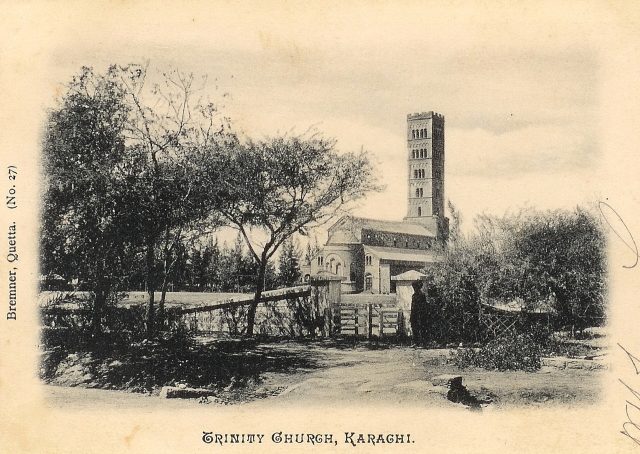


Places on the map
Marker colour follows the categoryClimate and weather
Detailed weather: Karachi Lake- Average temperature
- 26 °C
- Precipitation per year
- 250 mm
Average air temperature
°C
18
22
25
28
30
30
30
28
29
28
25
21
Jan
Feb
Mar
Apr
May
Jun
Jul
Aug
Sep
Oct
Nov
Dec


