
Calabar
Nigeria · 7 places
Photo: Tom The Pom, CC BY 2.0
Calabar sits where the Cross River spills into the mangroves, its banks lined with the kind of dense, whispering greenery you’d expect from an old adventure novel. The air carries the salt of the Atlantic mixed with the sharp tang of spices, and the city moves to a rhythm that feels older than its streets. Here, history isn’t confined to museums—it seeps from the red-brick colonial buildings in the old quarter, their low roofs and shuttered windows still holding echoes of the traders who once dealt in ivory, palm oil, and human lives. The slave trade left its mark here, not just in the crumbling forts but in the way the city remembers, refusing to bury its past even as it builds something new.
Yet Calabar isn’t stuck in time. It’s a place where the past and present coexist without fuss, where the daily hustle of markets like Ugbanga or Marian unfolds alongside centuries-old traditions. The stalls overflow with vibrant ankara fabrics, hand-carved masks, and woven baskets, their wares displayed under the watchful eyes of vendors who’ll haggle with quiet persistence. The scent of grilled fish and peppery stews drifts through the air, mingling with the sweetness of ripe mangoes and the earthy aroma of roasted plantains. By evening, the city shakes off its daytime lull—music spills from open-air bars, drummers improvise on wooden benches, and the riverfront fills with people simply watching the water, the slow current reflecting the lights of passing boats.
Food here tells its own story, one of layered influences and bold flavors. The local cuisine blends African staples with hints of European and Caribbean tastes, creating dishes that are as rich in history as they are in spice. *Efik*, the city’s signature stew, simmers fish or meat with palm oil and vegetables until the sauce thickens into something deep and complex, best scooped up with a mound of pounded yam or cassava. Then there’s *edikaikong*, a soup made from dark, leafy greens that taste like spinach but with a fiercer bite, or *afan*, fried fish so crisp it cracks between your fingers, meant to be eaten with your hands and torn pieces of flatbread. Coffee comes strong and sweet, often spiked with ginger or cloves, while palm wine—light, fizzy, and slightly tart—is the drink of choice for toasting the end of a meal. During festivals like the Calabar Carnival, food becomes spectacle, with massive pots of stew bubbling over open fires and chefs competing to draw the biggest crowds.
Nature feels close here, almost like an extension of the city itself. Just beyond the urban sprawl, the landscape opens into protected reserves where rare animals move through the undergrowth—pygmy hippos wading in shallow streams, monkeys chattering in the mangroves. The Cross River, wide and unhurried, offers boat rides that glide past sunlit banks, where kingfishers dart and herons stand motionless in the shallows. For those drawn to history, the Slave History Museum stands in a former fort, its exhibits unflinching in their portrayal of the trade that once defined this coast. It’s a heavy place, but an honest one, a reminder of how Calabar’s past shapes its present.
Life here moves at its own pace, dictated by the sun and the seasons. Mornings start with the crow of roosters and the scent of fresh bread delivered by bicycle, the streets coming alive before the heat sets in. By midday, the city slows to a crawl, markets emptying as people retreat into the shade, waiting out the worst of the afternoon. But as the light softens, the energy returns—children kicking footballs on dusty pitches, elders gathered on stoops swapping stories, young people heading out to dance. Calabar doesn’t try to keep up with Lagos or Abuja; it has its own rules, where time isn’t measured in minutes but in moments. That’s why people come back—not for the sights, but for the feeling of slipping into a rhythm that’s unhurried, unforced, and utterly alive.
Eat & Drink
1 place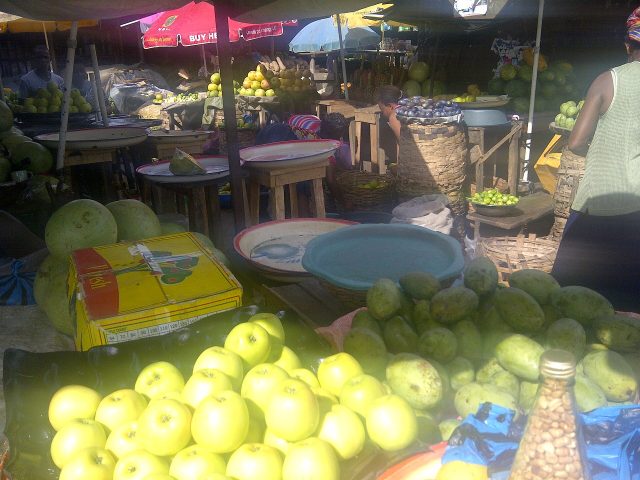
Places on the map
Marker colour follows the categoryClimate and weather
Detailed weather: Calabar- Average temperature
- 26 °C
- Precipitation per year
- 2294 mm
Average air temperature
°C
27
28
27
27
27
25
25
25
25
25
26
27
Jan
Feb
Mar
Apr
May
Jun
Jul
Aug
Sep
Oct
Nov
Dec


