Photo: Yemisi Ogbe, CC BY-SA 4.0
Calabar Fortress
out of 5 0 ratingsCalabar’s old fort stands where the Cross River meets the sea, a place where history isn’t just remembered but lingers in the salt air and the weight of the stones. Built in the late 1600s by British merchants, it was one of the many strongholds along what was then called the Slave Coast, a grim hub in the transatlantic trade that shaped the region for centuries. The fort’s walls, thick and unyielding, were meant to withstand more than just the elements—they had to hold back the chaos of a trade that turned human lives into commodities. Today, those same walls stand as a quiet witness, not just to suffering, but to the resilience of those who passed through them.
The architecture is unmistakably colonial, designed for control rather than comfort. The stone is local, rough-hewn but durable, the kind that absorbs heat during the day and releases it slowly at night. Narrow slits serve as windows, just wide enough to fire a musket through, while the heavy wooden gates still creak on their hinges, though they no longer lock anyone in. Inside, the layout is practical: storage rooms for goods, living quarters for merchants, and the low-ceilinged dungeons where enslaved people were held before being shipped across the ocean. The fort wasn’t just a prison, though. It was a place of business, where deals were struck between European traders and African middlemen, where power was brokered and sometimes seized by force. The kingdom of Efik, which ruled this stretch of coast, played a careful game, trading with the British, Dutch, and Portuguese while maintaining its own authority. The fort, then, isn’t just a relic of slavery—it’s a symbol of the complex, often brutal negotiations that defined the relationship between Africa and Europe during the colonial era.
Walking through the fort today, the past feels close. The dungeons are still there, dark and airless, the walls stained with time. Some of the original chains are on display, rusted but unbroken, along with ledgers detailing transactions—how many people were bought, how much ivory or palm oil was exchanged in return. The museum’s exhibits don’t shy away from the horror, but they also tell other stories: of the Efik people, their traditions, and how they adapted even in the face of unimaginable hardship. There are artifacts from daily life—cloth, tools, musical instruments—reminders that this was a place where real people lived, not just victims or villains. The fort doesn’t romanticize the past, but it doesn’t let you look away from it either.
Calabar itself has moved on. The city is now known for its vibrant culture, its festivals, and its role as a center of education and the arts in Nigeria. Yet the fort remains a focal point, a place where the past is neither forgotten nor glorified. School groups often visit, guided through the dungeons while teachers explain the mechanics of the slave trade and its lasting impact. For many Nigerians, the fort is a place of reflection, a reminder that history isn’t just something that happened—it’s something that still shapes the present. The city around it has grown, with modern buildings and busy markets, but the old quarter near the fort retains its character. Narrow streets wind past colonial-era houses, their verandas shaded by bougainvillea, while nearby mosques and churches stand as testament to the city’s religious diversity.
What makes the fort unusual is its lack of spectacle. There are no dramatic reenactments or flashy exhibits, just the quiet weight of the place itself. The stones don’t need embellishment—they’ve seen enough. Visitors often describe a sense of unease, not because the fort is haunted in the traditional sense, but because it forces you to confront a history that’s uncomfortable, even painful. That discomfort is important. It’s a reminder that the past isn’t just a story to be told; it’s a lesson to be learned. The fort doesn’t offer easy answers, but it does offer perspective—on how power works, on how people endure, and on why some wounds take generations to heal.
For Nigeria, the fort is more than a historical site. It’s a touchstone, a place where the country grapples with its past in order to understand its present. The slave trade wasn’t just a European or American story—it was an African one too, shaped by local politics, economics, and complicity as much as by foreign greed. The fort doesn’t let anyone off the hook, but it also doesn’t reduce the people who lived through it to mere victims. The Efik, like many coastal communities, were both participants and pawns in a system they didn’t create but had to navigate. Their descendants still live in Calabar, and the fort is part of their heritage as much as it is part of Nigeria’s.
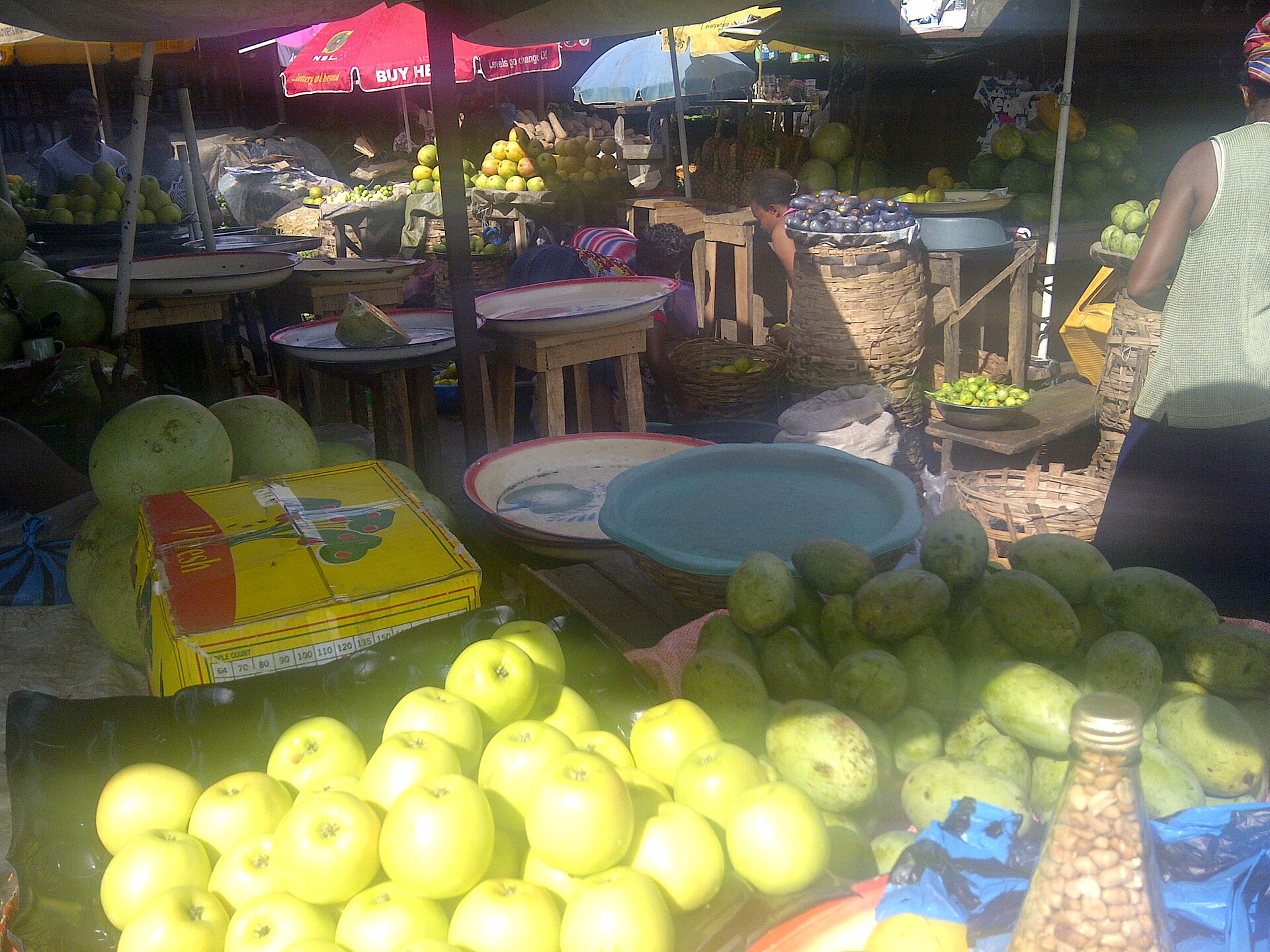
The area around the fort is worth exploring, too. The old town feels like a place where time moves at its own pace. Markets spill into the streets, selling everything from fresh fish to handwoven cloth, while the scent of spices and grilled meat hangs in the air. Nearby, the National Museum of Calabar houses more artifacts from the region’s past, including traditional Efik attire and ceremonial objects. The city has a reputation for being one of Nigeria’s most welcoming, and it’s easy to see why. There’s a sense of pride here, not just in the fort, but in the culture that survived alongside it.
Visiting the fort isn’t like visiting a typical tourist attraction. There’s no gift shop selling trinkets, no guided tour with a neatly packaged narrative. Instead, there’s the quiet hum of history, the kind that doesn’t need to shout to be heard. The fort doesn’t exist to entertain; it exists to remind. And in a world where history is often simplified or sanitized, that’s a rare and necessary thing. It’s a place where you can stand in the same space where people once stood, not as spectators, but as witnesses. The past here isn’t distant—it’s right beneath your feet, in the cracks of the stone and the stories that refuse to fade.
Day around this place
Where else to go on the same day
Building the day…
Where it is
4.97960, 8.33736