Irkutsk
Russia · 17 places
Photo: Wikimedia Commons, Pixabay Content License
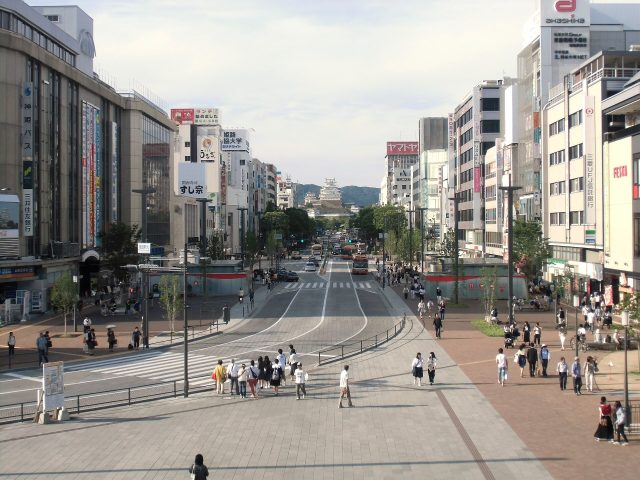
Irkutsk doesn’t reveal itself at first glance. It sits on the banks of the Angara River, where the water begins its journey toward Lake Baikal, and the pace of life here feels unhurried. The streets are lined with wooden houses with carved facades, their details telling stories of the past, while old mansions stand alongside modern buildings.
Founded as a fortress in the mid-17th century, Irkutsk became a gateway to the East, a crossroads for merchants, exiles, and explorers. Decembrists, sent into exile after the failed uprising of 1825, passed through here, as did traders carrying tea from China. By the 19th century, the city had grown into one of Siberia’s wealthiest centers. That legacy remains in the architecture—the mansions with columns, the merchant rows, and the churches. Yet new neighborhoods rise beside the historic center, and the Angara embankment buzzes with life, especially in summer, when people stroll along the river until late.
The heart of Irkutsk is best explored on foot. Start at Kirov Square, where a monument to the city’s founder, Yakov Pokhabov, stands near the government building. From there, walk to the embankment, where the Angara glitters under the sun. In warmer months, the riverbank fills with music and laughter. Nearby, the 130th School—once attended by the writer Valentin Rasputin—marks the city’s literary past. Just beyond lies the Decembrists’ Museum, housed in a restored 19th-century mansion where exiled nobles lived. Inside, letters, household items, and recreated interiors show how they lived.
Irkutsk has several museums. The regional history museum traces Siberia’s story from ancient times to the present, with exhibits on indigenous cultures, the gold rush, and the Trans-Siberian Railway. The art museum displays works by Siberian painters and Russian masters from the 18th and 19th centuries. But the city’s character is shaped by its people. Residents take care of historic buildings and talk about the past as part of their daily lives.
Lake Baikal is close. Just outside the city, the lake defines Irkutsk’s identity. Many travelers come for Baikal but stay in the city for days, drawn by its calm. The lake’s presence is felt in the air, in the souvenirs at street markets, in conversations. In summer, boats cross the water, and visitors watch the light on the waves. Winter turns the lake into a frozen expanse, where ice skating and snow walks change the landscape. Irkutsk isn’t just a stop on the way to Baikal; it’s a place where history, culture, and nature meet.
Eat & Drink
0 placesNothing in this category yet — the catalogue is still growing.
All placesPlaces on the map
Marker colour follows the categoryClimate and weather
Detailed weather: Irkutsk- Average temperature
- 2 °C
- Precipitation per year
- 508 mm
- Sunshine hours per day
- 6.3 h
Average air temperature
°C
-17
-15
-4
4
11
17
19
17
10
2
-8
-16
Jan
Feb
Mar
Apr
May
Jun
Jul
Aug
Sep
Oct
Nov
Dec