- Home
- Afghanistan
- Ibac

Ibac
Afghanistan · 6 places
Photo: seair21, CC BY 3.0
Aybak
Aybak isn’t in guidebooks. That’s why it’s worth visiting. It’s the administrative center of Samangan Province in northern Afghanistan, along a trade route that once linked Central Asia to India. There are no tourists, no souvenir stalls, no luxury hotels—just the quiet life of a town that hasn’t changed for outsiders.
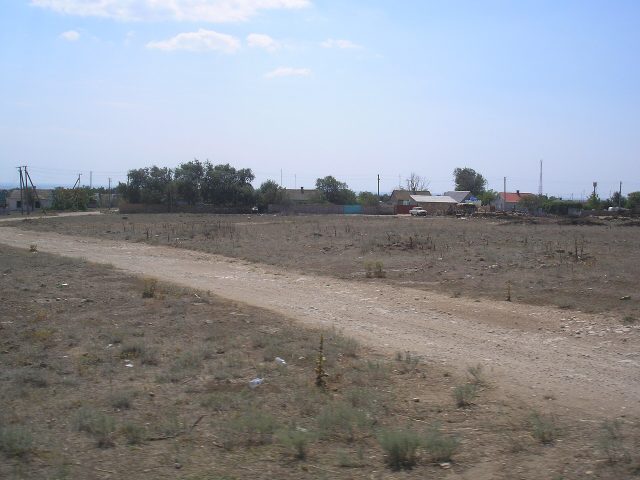
The mountains around Aybak are rugged. Summer sun bakes them; winter dusts them with snow. The climate is harsh—hot summers, cold winters, and spring air smelling of dust and wormwood. Beyond the town, arid plains stretch out, dotted with mud-brick villages and the occasional minaret. Most people here are Uzbeks and Tajiks. They work in fields, tend livestock, and move slowly. Donkeys carry grain, women in bright headscarves walk the streets, and men sit in teahouses drinking green tea.
Aybak’s history is long. It was a Silk Road stop where merchants and pilgrims rested between Central Asia and India. Caravans brought silk, spices, and precious stones. Local rulers collected tolls. Traces of that time remain in the hills: crumbling fortresses, cave temples, and old caravanserais. The most striking relic is Takht-i Rustam, a Buddhist monastery carved into rock in the 3rd or 4th century. Its caves have faded frescoes and Buddha statues.
Today, Aybak is a quiet town. The central square has low, sun-baked buildings. The only busy spot is the small market where locals sell produce and handmade goods. There’s no rush. Cars drive slowly, yielding to pedestrians and sheep. In the evening, the call to prayer sounds, and stars appear above the rooftops.
If you want more than just sights, Aybak offers something rare: a place where history isn’t locked in museums. It’s in the streets, the teahouses, the way people live. Afghanistan shows itself here as it always has—without pretense.
See & Do
All of them
Places on the map
Marker colour follows the categoryClimate and weather
Detailed weather: Ibac- Average temperature
- 17 °C
- Precipitation per year
- 206 mm
- Average humidity
- 44 %
- Sunshine hours per day
- 10 h
- Time zone
- UTC+4:30 (GMT+4:30)
Average air temperature
°C
3
6
11
17
23
28
30
28
22
17
11
6
Jan
Feb
Mar
Apr
May
Jun
Jul
Aug
Sep
Oct
Nov
Dec