Ica
Peru · 6 places
Photo: Diego Delso, CC BY-SA 4.0
Ica sits where the desert meets the vineyards, a place where the air carries the scent of sunbaked sand and ripe grapes. The sky stretches wide and cloudless, and life moves at its own unhurried pace. Unlike Lima’s restless energy or Cusco’s tourist crowds, Ica has a quiet rhythm all its own—less polished, more lived-in. The streets feel like they’ve been here for centuries, and in many ways, they have.
Long before the Spanish arrived, the Paracas and Nazca cultures thrived in these lands, leaving behind intricate textiles, mummified remains, and pottery adorned with mythical figures. When the conquistadors founded the city in the 16th century, Ica became a hub for winemaking, a tradition that endures today. Some of the old haciendas still produce wine and pisco using methods passed down through generations. A few welcome visitors, offering walks through the vineyards, tastings of young wines, or sips of pisco with its subtle spice notes. The best part is that you’re not just sampling a drink—you’re tasting the history of the place.
The heart of Ica is Plaza de Armas, a square lined with low buildings and wooden balconies. Palms sway in the breeze, a fountain murmurs in the center, and locals gather in the shade—old men playing chess, children darting between benches. Nearby, the Regional Museum of Ica feels more like a family home than a formal exhibit. Its collection includes Paracas mummies with elongated skulls and Nazca ceramics, displayed with a quiet reverence. The museum is small, but that only makes it feel more intimate, as if the past is being shared rather than put on show.
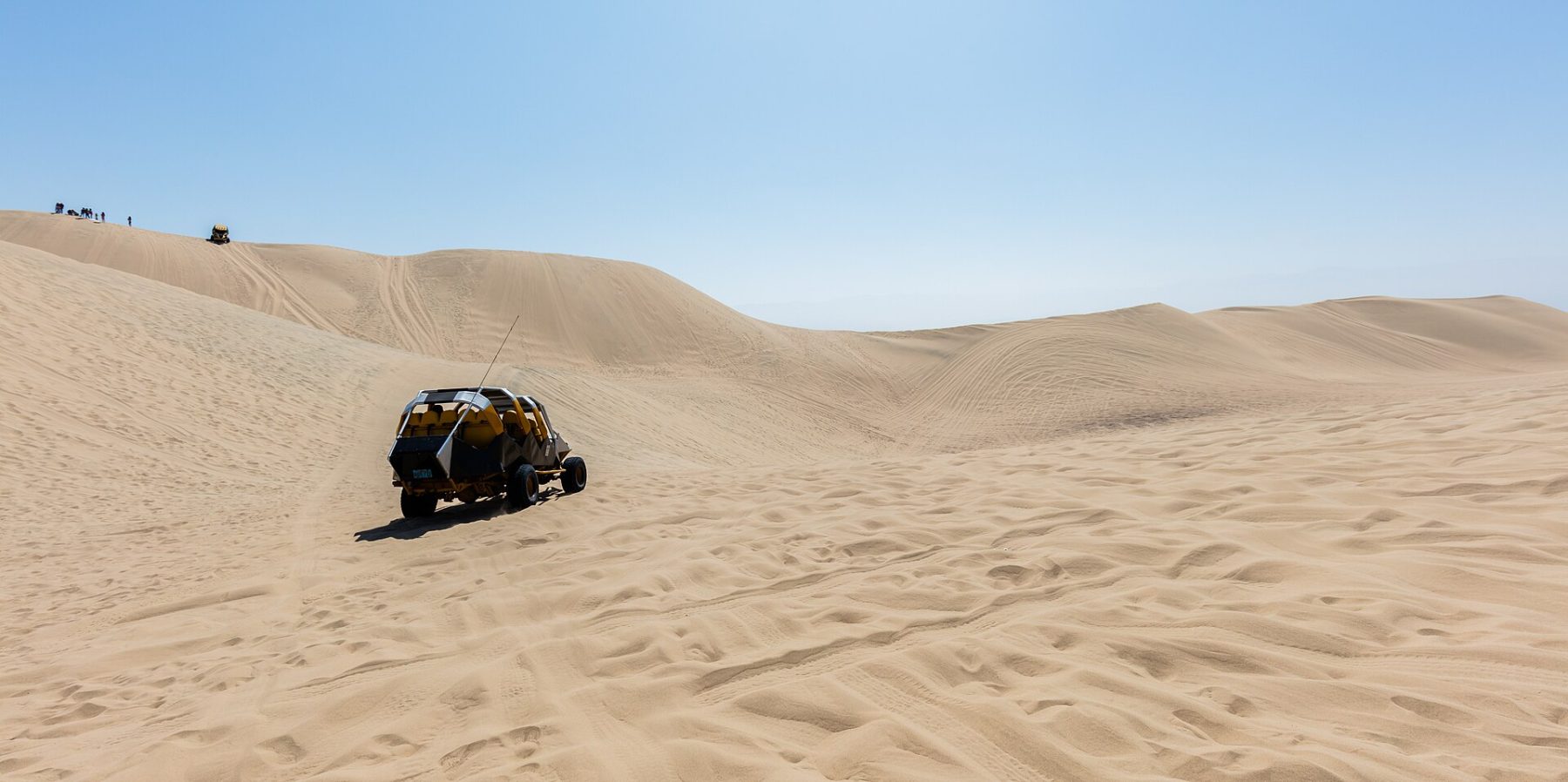
Just beyond the city, the desert begins. The dunes rise like waves, their sand shifting underfoot with every step. Some come here for the thrill of dune buggies, but it’s just as rewarding to wander alone, watching the light change the color of the sand as the sun dips lower. A few hours’ drive away lies Huacachina, a desert oasis where a shallow lagoon is ringed by palms and small cafes. The water is warm, the boats are simple, and the only agenda is to slow down. Whether you spend the day lounging by the shore or paddling across the lake, time seems to stretch in a way it doesn’t elsewhere.
Ica’s markets are where the region’s flavors come to life. Stalls overflow with fruits you won’t find in other parts of Peru—sweet lucuma, tangy cherimoya, grapes plucked from nearby vineyards. Near the supermarkets, small shops sell freshly baked corn tortillas and homemade cheese, while street vendors grill anticuchos—skewers of marinated beef heart—over open flames. In the evenings, the scent of sizzling meat mingles with the sound of laughter and clinking glasses. If you’re lucky, you might stumble upon a family celebration, where pisco sours flow freely and stories are shared as easily as the food.
What makes Ica special isn’t any single attraction, but the way the days unfold here. There’s no rush, no pressure to see or do it all. The fruit vendors weigh their goods with deliberate care, old men linger over chess games under the trees, and the sun sets without fanfare. Yet each visit reveals something new—a hidden vineyard, a quiet stretch of desert, a conversation with someone who’s lived here for decades. The city doesn’t demand attention, but those who take the time to notice often find themselves returning, drawn back by the quiet pull of a place where the desert and the valley exist side by side.
Eat & Drink
0 placesNothing in this category yet — the catalogue is still growing.
All placesPlaces on the map
Marker colour follows the categoryClimate and weather
Detailed weather: Ica- Average temperature
- 20 °C
- Precipitation per year
- 9 mm
Average air temperature
°C
23
24
23
21
19
18
17
17
17
18
19
21
Jan
Feb
Mar
Apr
May
Jun
Jul
Aug
Sep
Oct
Nov
Dec


