Djemila
Algiers · 8 places
Photo: Alioueche Mokhtar, CC BY-SA 4.0
Djemila feels like a place where time has paused, leaving behind the quiet pulse of an ancient world. Tucked into the folds of northern Algeria’s low mountains and green valleys, it was once a thriving Roman settlement known as Cuicul. Today, its ruins stand among the most striking on the African continent, their significance recognized by UNESCO. There are no crowds here, no modern distractions—just the hush of wind through stone arches and the distant murmur of visitors stepping lightly over history.
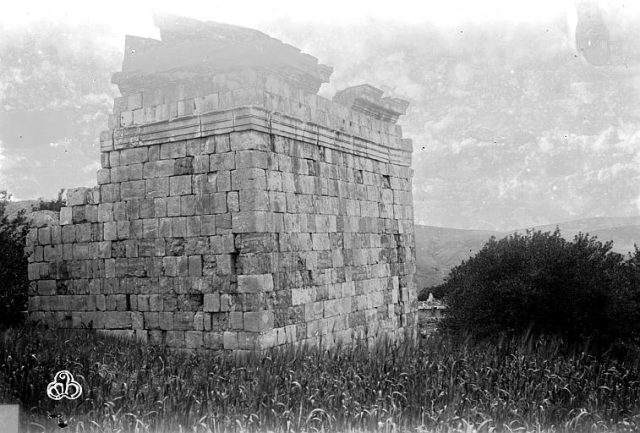
Walking its cobbled streets, it’s easy to imagine the city as it was two thousand years ago. Founded in the first century as a military outpost, Djemila quickly grew into a bustling hub of trade and culture. The Romans built everything a city needed: an amphitheater, temples, baths, a forum, and entire residential districts. The theater, carved into the hillside, still holds the echoes of performances long past, its stone seats worn smooth by centuries of spectators. Above it all looms the Temple of Septimius Severus, a reminder of the empire’s reach and ambition.
What makes Djemila unique is how its architecture bends to the land. Unlike the rigid grids of most Roman cities, here the streets twist and turn with the contours of the hills, creating a sense of organic growth. The main thoroughfare, leading to the forum, is lined with the remains of shops and workshops where olive oil, wine, and pottery once changed hands. In the residential quarters, intricate mosaics still gleam underfoot, offering glimpses into the lives of the wealthy families who once called this place home.
There’s a rare stillness to Djemila, far from the usual tourist trails. No souvenir stalls or guided tours here—just ancient stones softened by moss and the space to wander without hurry. The city seems to invite reflection on how fleeting glory can be, how easily the past fades. As the sun dips behind the mountains, casting the ruins in golden light, Djemila feels even more mysterious, as if a Roman soldier or a local artisan might round the corner at any moment.
Modern life has barely touched this place. The nearest city, Sétif, lies some fifty kilometers away, and the local Berber communities live at the same unhurried pace as their ancestors. For them, Djemila isn’t just a landmark—it’s a living piece of history, preserved with quiet pride. That authenticity lingers in every weathered step and crumbling wall. There’s no need to reconstruct the past here; it’s already present, breathing through the stones. If you ever find yourself in Algeria, don’t miss the chance to step into this quiet, enduring story.
See & Do
8 places
Places on the map
Marker colour follows the categoryClimate and weather
Detailed weather: Djemila- Average temperature
- 15 °C
- Precipitation per year
- 334 mm
- Sunshine hours per day
- 8.3 h
Average air temperature
°C
5
7
10
13
17
24
28
26
21
16
10
7
Jan
Feb
Mar
Apr
May
Jun
Jul
Aug
Sep
Oct
Nov
Dec